Best Bait for Surf Fishing in New Jersey
Standing on the beautiful, windswept beaches of New Jersey, rod in hand, with absolutely no idea what bait to use can be one of the most frustrating feelings for any surf angler. It’s a common dilemma: walk into a tackle shop and be overwhelmed by the sheer variety, or brave the unknown with a generic choice. This comprehensive guide is here to cut through the confusion, helping you understand the best baits for surf fishing the New Jersey coast, matching your choice to the fish you're hoping to catch.
Understanding the Basics of Surf Fishing Bait in New Jersey
Before you even think about what specific bait to use, it's really helpful to grasp a few fundamental concepts. Surf fishing in New Jersey isn't just about throwing something out there; it's about making informed choices that significantly increase your chances of success. It's like cooking: you wouldn't use sugar for a savory dish, right? The same goes for bait.
Matching Bait to Target Species
One of the biggest mistakes new surf anglers make is thinking "one bait fits all." While some baits have broader appeal, the truth is, different fish have different dietary preferences. Think about it from the fish's perspective: what are they naturally encountering in their environment? Are they ambush predators, bottom feeders, or active hunters?
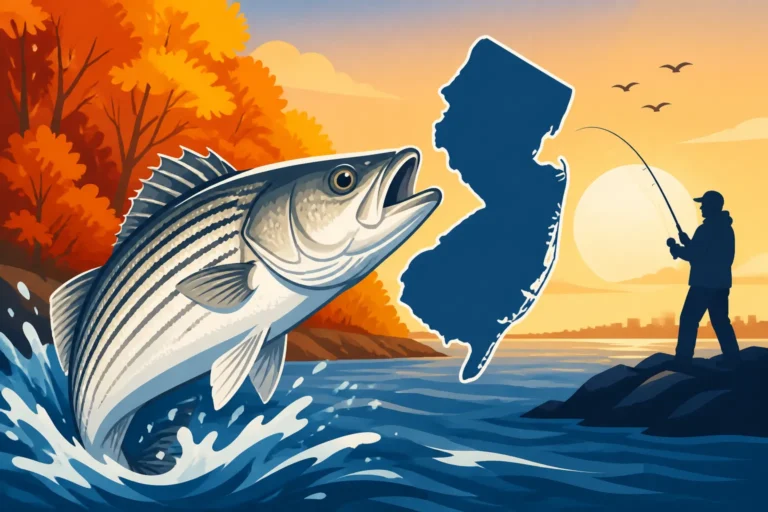
For example, if you're targeting the mighty striped bass, especially during their famous migratory runs along the Jersey Shore, you'll want to lean heavily on baits that mimic their natural food sources like bunker (Atlantic menhaden) or mullet. These are oily, substantial meals that a big striper won't pass up. On the other hand, if your goal is delicious summer flounder, affectionately known as fluke, a smaller, more active bait like a spearing or a Gulp! artificial will often prove much more enticing as it drifts with the current. Knowing your quarry is half the battle won, and it saves you a lot of time and money on the wrong bait.
Live Bait Versus Cut Bait Versus Artificials
The bait world generally breaks down into these three categories, and each has its own time and place, along with distinct advantages and disadvantages. It’s not about one being inherently "better" than the others; it’s about choosing the right tool for the job based on conditions, target species, and even your personal fishing style.
Live bait, like a struggling bunker or a lively mullet, often provides the most natural presentation. Its erratic movements and natural scent can be irresistible to predatory fish like striped bass and bluefish. The downside, of course, is that live bait can be challenging to acquire (sometimes requiring you to catch it yourself), keep alive, and cast effectively without losing it. However, the reward for a well-presented live bait can be phenomenal, often resulting in larger, more aggressive bites.
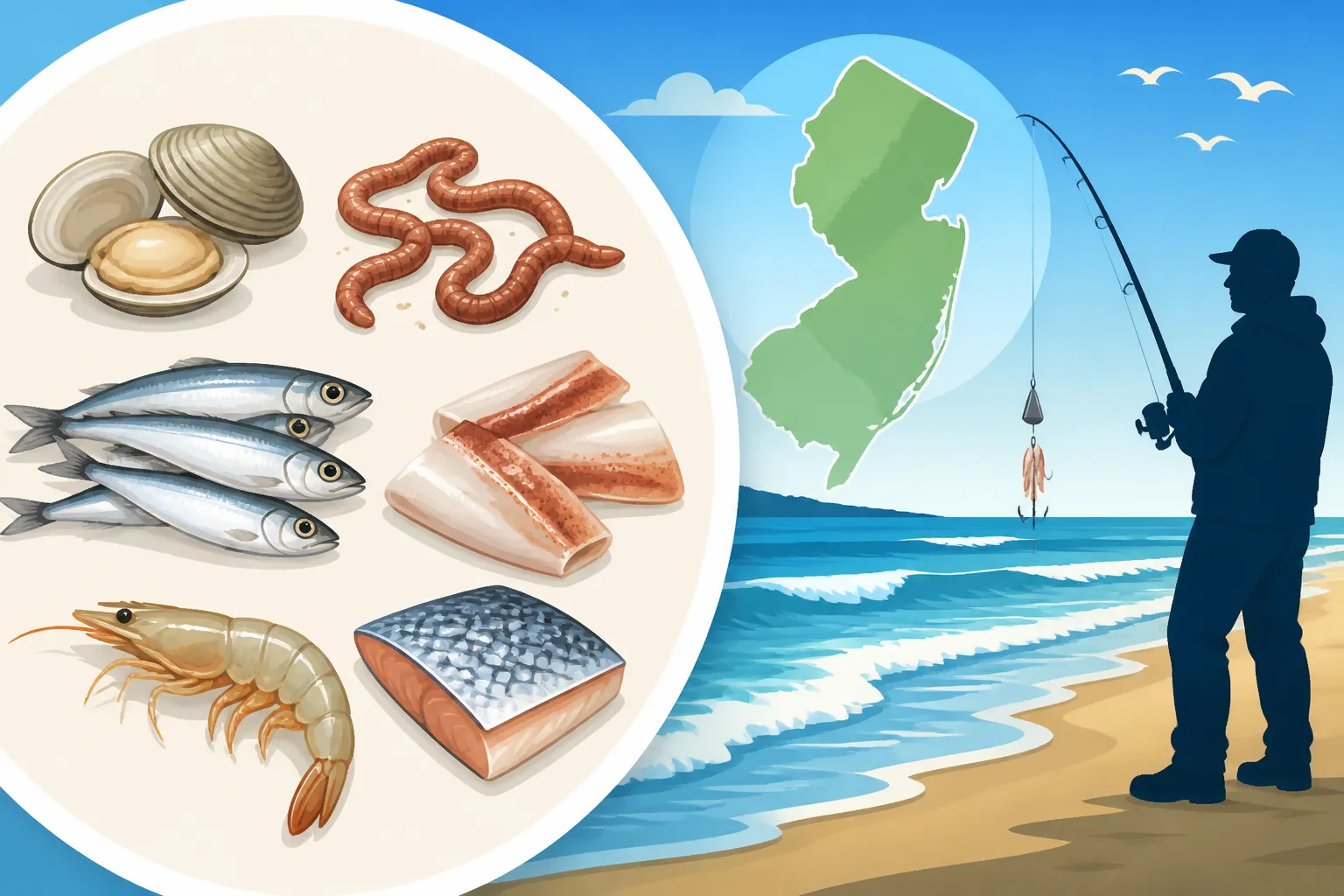
Cut bait, as the name suggests, involves using pieces of fish or shellfish. Its primary advantage is the powerful scent trail it releases into the water, which can attract fish from a distance. Oily fish like bunker or mackerel, when cut into chunks, are fantastic for drawing in bluefish, striped bass, and even sharks or rays. Clams are another popular cut bait, appealing to bottom feeders like drum, kingfish, and even some fluke. Cut bait is generally easier to handle and cast than live bait, and it's often more readily available at tackle shops.
Artificial lures, or "artificials," are designed to mimic baitfish through their shape, color, and action. They require active retrieval and engagement from the angler but offer incredible versatility. From metal lures that cast a mile to soft plastics that perfectly imitate a swimming or dying baitfish, artificials allow you to cover a lot of water quickly and target fish that are actively hunting. While they lack natural scent, many modern artificials, like those from Berkley Gulp!, incorporate powerful scents that rival natural bait. You can find a huge variety of effective artificials on platforms like Amazon, making it easy to experiment with different types and colors.
The Essential Live Baits for New Jersey Surf Fishing
When fish are actively feeding and looking for a substantial meal, there's often nothing more effective than a lively, natural presentation. Live bait appeals to the primal hunting instincts of many New Jersey game fish, making it a cornerstone for serious surf anglers.
Bunker (Atlantic Menhaden)
If you spend any time surf fishing in New Jersey, you'll hear "bunker" mentioned more often than not. This oily, protein-rich baitfish is an absolute staple for the migratory striped bass and bluefish that patrol our coast. Bunker often swim in massive schools just beyond the breaking waves, and when they're present, stripers and blues are usually not far behind.
You can often buy frozen bunker at bait shops, which is excellent for cut bait, but fresh or live bunker is a game-changer if you can get it. Anglers frequently use snagging hooks to catch their own live bunker from shore or near inlets. Once you have them, rigging a live bunker involves carefully hooking it through the nose or back, allowing it to swim freely. For cut bait, simply chop a fresh or thawed bunker into steak-sized chunks. The oils and scent from these chunks create an irresistible chum line that draws fish in. This bait is so effective, many anglers consider it the best choice during the spring and fall runs.
Mullet
Another fantastic oily baitfish, mullet are often overlooked in favor of bunker but are incredibly effective, especially during the fall migration. New Jersey sees a strong mullet run each autumn, and when these baitfish are present, striped bass and bluefish feast on them voraciously. They're a bit more slender than bunker, offering a different profile that can sometimes be the key to getting a strike.
Mullet can be caught with a cast net in estuaries and back bays, or purchased fresh or frozen from bait shops. Like bunker, they can be fished live, hooked through the lips or dorsal fin, or cut into chunks. A live mullet struggling in the wash is a sight that few stripers can resist. When fishing cut mullet, ensure your hook is sharp and exposed to properly penetrate a fish's mouth.
Spearing and Minnows
For anglers specifically targeting summer flounder, known locally as fluke, spearing (Atlantic silverside) and various small minnows are go-to live baits. These slender baitfish are common in our bays and estuaries, forming a significant part of a fluke's diet. While not as robust as bunker or mullet, their lively action under a bucktail or on a high-low rig is incredibly effective.
You'll typically buy spearing frozen in bags from a tackle shop. They're delicate, so handle them gently. When fishing for fluke, a popular setup involves a bucktail jig tipped with a spearing, or a traditional fluke rig with a small hook. Their natural shimmer and subtle movement can often trigger a bite from even the most finicky fluke. For true live minnows, you might catch them yourself with a small trap or net, but frozen spearing is the more common and convenient option for most surf anglers.
Eels
For the dedicated nighttime striped bass angler, eels are considered candy. These slimy, squirming creatures might not look appealing to us, but to a big striper lurking in the dark, they are an absolute delicacy. Eels fished live offer an irresistible, snake-like action that mimics a natural prey item trying to escape, triggering aggressive strikes from large bass.
Eels can be purchased live at many bait and tackle shops along the coast. Handling them can be tricky due to their sliminess; a rag or some sand often helps with grip. The most common way to rig a live eel for surf fishing is to hook it through both lips or through the eye socket, ensuring the hook point is exposed. Cast them out and let them swim naturally. This is often done with a large circle hook on a fish finder rig, especially good for those targeting trophy fish in the dark. If you're looking for heavy-duty circle hooks for eel fishing, you'll find a wide selection on Amazon.
Top Tier Cut Baits for the New Jersey Surf
Sometimes, it's not about the lively dance of a live bait but the irresistible aroma of a good, juicy piece of cut bait that does the trick. Cut baits are fantastic for their scent-dispersing qualities, making them excellent choices for species that rely heavily on their sense of smell to locate food.
Clams (Surf Clams/Hard Clams)
Clams are a universal surf fishing bait in New Jersey, appealing to a surprising variety of species. From bottom-dwelling kingfish and croakers to larger game fish like striped bass and black drum, clams offer a potent scent and a soft, digestible meal. Surf clams (also known as skimmer clams) are particularly popular due to their size and availability.
You can buy shucked clams in tubs or even whole hard clams at most tackle shops. The challenge with clams is keeping them on the hook due to their soft texture. Many anglers use a specialized product called "bait elastic" or "bait thread" to bind the clam meat securely to the hook. This ensures it stays on during the cast and withstands the waves. Some anglers will also use a small mesh "clam bag" to hold a piece of clam, allowing the scent to leach out while protecting the bait from smaller pickers. When pursuing stripers with clams, a good fish finder rig setup can present the bait naturally on the bottom.
Bloodworms and Sandworms
These segmented, squirming worms are often considered premium bait, especially during the early spring run for striped bass, weakfish, and kingfish. While they can be pricey, their effectiveness is undeniable. The unique scent and natural movement of a fresh bloodworm or sandworm can be absolutely irresistible to fish.
Bloodworms are known for their blood-like fluid and tiny "fangs" that can deliver a pinch, so handle them with care. Sandworms are typically a bit smaller and less aggressive. Both are usually sold by the dozen at tackle shops, often kept in cool, damp seaweed to stay fresh. Rigging involves threading the worm onto the hook, leaving a good portion dangling for maximum allure. They are particularly deadly for those first migratory stripers of the year when the water is still cold. Remember, fresh is best, so buy them from reputable bait shops that store them properly. If you can't get fresh, some companies make salted or artificial versions that can work in a pinch.
Mackerel and Herring Chunks
For a truly potent scent trail, mackerel and herring chunks are fantastic choices. These fish are incredibly oily, and when cut, they release a strong aroma that can travel far in the water, attracting predatory fish from a distance. They are particularly effective for bluefish, larger striped bass, and bottom-dwelling species like skates and rays.
Mackerel is often available frozen in blocks or whole at bait shops. Herring can also be found frozen, especially during seasons when fresh baitfish are scarce. When preparing, cut the fish into thick, robust chunks that will hold up to casting and strong currents. You want a piece with skin on one side to help it stay on the hook. Thread your hook through the chunk, ensuring the point is exposed for a solid hookset. This bait is excellent for fishing with heavier gear on a bottom rig, especially when you're casting into deeper troughs where big fish might be lurking.
Artificial Baits: When to Go Lure-Crazy from the Beach
While natural baits have their undeniable charm, there's a certain thrill and efficiency that comes with actively working artificial lures from the surf. Artificials allow anglers to cover vast expanses of water, imitate various baitfish, and often elicit aggressive, reaction strikes. They're also great if you don't want to deal with the mess and storage of live or cut bait.
Plugs and Poppers
When bluefish are blitzing or striped bass are actively feeding on the surface, plugs and poppers are an absolute blast to fish. These topwater lures create disturbance on the water, mimicking a struggling baitfish or a chaotic feeding frenzy, which can drive predatory fish wild. The visual aspect of a fish exploding on a surface lure is one of the most exciting experiences in surf fishing.
Poppers have a concave face that "chugs" water when retrieved, creating a loud splash and commotion. Pencil poppers, on the other hand, have a more slender profile and a walk-the-dog action that imitates a fleeing baitfish. Both are excellent for drawing in bluefish and aggressive stripers. Common brands like Cotton Cordell, Super Strike, and Guppy Lures are popular choices along the Jersey Shore. Experiment with retrieve speeds and pauses to find what the fish prefer. When selecting plugs, consider both color and size to match the prevalent baitfish.
Metal Lures and Jigs
Metal lures and jigs are workhorses for surf anglers, especially when you need to cast a long distance to reach feeding fish or schools of bait. Their dense construction allows for impressive casting distances, and their flashy, erratic action often mimics fleeing baitfish perfectly. These lures are incredibly versatile and can catch everything from bluefish and striped bass to fluke.
Spoons like the Hopkins Shorty or Kastmaster are excellent for imitating peanut bunker or other small baitfish. They cast like a bullet and have a shimmering, wounded-fish action on the retrieve. Deadly Dicks are another classic metal lure, known for their darting action when jigged. Bucktail jigs, often tipped with a soft plastic or a strip of natural bait like pork rind, are incredibly effective, especially for fluke and stripers in deeper water or strong currents. You can learn more about specific techniques in our guide to Bucktail Jigging Techniques for New Jersey Anglers. For a great selection of durable and effective metal lures, check out the fishing tackle section on Amazon.
Soft Plastics (Gulp! and more)
Modern soft plastics have revolutionized surf fishing, offering a compelling blend of artificial lure action with powerful scent attraction. Products like Berkley Gulp! are particularly popular, as they are impregnated with a strong, fish-attracting scent that rivals or even surpasses natural bait in many situations. Their convenience, durability, and effectiveness make them a must-have for any New Jersey surf angler.
Gulp! baits come in a variety of shapes and sizes, mimicking everything from shrimp and crabs to various baitfish. The most popular for surf fishing are often the Gulp! Swimming Mullet or the Gulp! Grub. They are incredibly effective for fluke when jigged slowly along the bottom, but they can also entice striped bass and weakfish. Rig them on a jig head appropriate for the conditions (heavier in stronger currents, lighter in calmer water) or use them as a trailer on a bucktail. The ease of use, coupled with the ability to cast them great distances, makes them an essential tool in your surf fishing arsenal, especially when you're actively searching for fish without the hassle of keeping live bait.
Bait Presentation and Rigging Strategies
Having the best bait in the world won't do you much good if it's not presented effectively. The way you rig your bait, the type of hook you use, and how you manage your line all play a crucial role in whether a fish decides to bite. Proper rigging ensures your bait looks natural, stays on the hook, and allows for a solid hookset.
The Fish Finder Rig
If there's one rigging setup that every New Jersey surf angler should master for bait fishing, it's the fish finder rig. This simple yet incredibly effective rig is designed to allow your bait to move naturally with the current, while your sinker holds steady on the bottom. It gets its name because the sinker slides freely on your main line, meaning a fish can pick up the bait and swim off without feeling the resistance of the weight.
A basic fish finder rig consists of a sliding sinker clip (often a specialized fish finder slide), a barrel swivel, and a leader with a hook. Your main line passes through the sinker clip, then ties to one end of the barrel swivel. To the other end of the swivel, you tie a leader (usually 18-36 inches of fluorocarbon or monofilament, depending on the conditions and species) and then your hook. This setup is ideal for larger baits like bunker chunks, whole clams, or eels, making it a go-to for striped bass, bluefish, and even bottom feeders like drum and sharks.
The High-Low Pompano Rig
For anglers targeting smaller species or those looking to cover multiple depths simultaneously, the high-low rig (sometimes called a Pompano rig, though it catches many species) is an excellent choice. This rig typically features two or more hooks spaced along a leader, with a sinker at the very bottom. It allows you to present multiple baits at different levels in the water column, increasing your chances of finding where the fish are feeding.
The high-low rig is fantastic for catching kingfish, croakers, small fluke, and even smaller striped bass. You can buy them pre-tied at any tackle shop, or tie your own. They usually consist of a main leader line with two short dropper loops or snelled hooks coming off at intervals. A pyramid or Sputnik sinker is typically used at the bottom to hold it in place. Baits like small clam pieces, bloodworms, or small Gulp! baits are perfect for this rig. If you want to maximize your chances, try baiting each hook with a different offering to see what the fish are keying in on.
Maximizing Scent and Durability
The devil is in the details, and when it comes to bait, maximizing its scent appeal and ensuring it stays on the hook can make all the difference. Fish, especially those in the surf, rely heavily on scent to locate food in murky water or strong currents.
Freshness is paramount. Always use the freshest bait you can get. Stale bait loses its potent oils and aroma, becoming much less appealing. Store your bait properly in a cooler with plenty of ice. When using soft baits like clams, bait elastic is your best friend. This fine, almost invisible thread wraps around your bait and hook, securing it tightly without impeding the hookset. It's especially useful when casting heavy baits or fishing in strong currents where your bait might get ripped off. You can often find bait elastic at your local tackle shop or conveniently purchase it online from retailers like Amazon. Don't be shy about refreshing your bait frequently; a fresh, juicy piece of clam or bunker chunk will always outperform a washed-out, lifeless one. Understanding How to Rig a Sinker for Surf Fishing in Windy Conditions can also help keep your bait where the fish are, especially if you're using a pyramid or Sputnik sinker.
Seasonal Bait Choices for New Jersey's Beaches
New Jersey's surf fishing is incredibly dynamic, with different species moving in and out of our waters throughout the year. Understanding these seasonal patterns is key to choosing the right bait at the right time. What works wonders in spring might get you absolutely nothing in late summer, and vice-versa.
Spring Fishing Baits
Ah, spring! The air gets a bit warmer, and the first migratory striped bass begin to push into New Jersey waters. Early spring surf fishing often involves chilly water, and fish are looking for easy, scent-rich meals. This is prime time for premium baits like bloodworms and sandworms. Their potent scent is incredibly effective in cold water, attracting the first schoolie stripers, kingfish, and even weakfish.
As the water warms a bit more, small pieces of fresh clam or even small bunker chunks become very effective. The key in spring is often patience and targeting structure where fish might hold. Don't forget that if you're fishing near freshwater outflows, you might still encounter some early season freshwater activity, so checking out things like the New Jersey Spring Trout Stocking Start Date could be a good secondary plan if the saltwater bite is slow. Early season stripers are often eager, but they appreciate a well-presented, high-quality meal.
Summer Fishing Baits
Summer in New Jersey brings warmer water, bustling beaches, and a shift in target species. Fluke (summer flounder) become a primary target, alongside bluefish, kingfish, and sometimes even smaller striped bass in the cooler hours. For fluke, the best baits are active presentations like spearing, or the incredibly effective scented soft plastics like Berkley Gulp! Swimming Mullet or Grub. Drifting these baits along the bottom, especially near inlets and cuts, is incredibly productive. Knowing the New Jersey Fluke Season Start Date is essential to planning your summer trips.
For bluefish, cut bait like bunker chunks or mullet strips are always reliable. Bluefish aren't picky and will readily attack most oily cut baits. Kingfish, those delightful panfish, absolutely love small pieces of fresh clam or bloodworms fished on a high-low rig. Summer fishing often means earlier mornings or later evenings to beat the heat and the crowds, which can also be the Best Time of Day to Surf Fish for more active species.
Fall Run Baits
The fall run is arguably the most exciting time to surf fish in New Jersey. As water temperatures drop, massive schools of baitfish, primarily bunker and mullet, migrate south along the coast, triggering an epic feeding frenzy by striped bass and bluefish. This is when the biggest, most aggressive fish are often caught from the beach.
Live or fresh cut bunker is king during the fall. If you can snag your own live bunker, you're in for a treat. Failing that, fresh cut bunker chunks or whole mullet are incredibly effective. Eels are also phenomenal, especially for trophy striped bass after dark. Artificials like large metal lures, poppers, and swimming plugs can also be deadly when fish are actively feeding on the surface. Understanding What Bait Works Best for Striped Bass in the Fall Run? will give you a huge advantage. This period can last for weeks, sometimes even months, so knowing How Long Does New Jersey's Fall Striped Bass Run Last? can help you plan multiple trips to catch the action. The fish are gorging themselves for their long migration, and big, oily baits are exactly what they're looking for.
| Species Targeted | Preferred Live/Cut Baits | Effective Artificial Baits | Best Rigging Strategy | Key Season (NJ) |
|---|---|---|---|---|
| Striped Bass (Fall Run) | Live/Cut Bunker, Mullet, Eels | Plugs, Poppers, Large Metal Lures | Fish Finder Rig, Surf Popping Rig | Spring, Fall |
| Striped Bass (Spring) | Bloodworms, Sandworms, Clams, Bunker | Small Plugs, Bucktails | Fish Finder Rig, High-Low Rig | Early Spring |
| Bluefish | Live/Cut Bunker, Mullet, Mackerel | Metal Lures (Spoons), Poppers, Plugs | Fish Finder Rig | Summer, Fall |
| Fluke (Summer Flounder) | Spearing, Live Minnows, Squid Strips | Scented Soft Plastics (Gulp!), Bucktails | Fluke Rig, Bucktail Jig | Summer |
| Kingfish | Clams, Bloodworms, Sandworms | Small Metal Lures | High-Low Rig | Summer |
| Black Drum | Clams, Crab | N/A | Fish Finder Rig | Spring, Early Summer |
| Weakfish | Bloodworms, Sandworms, Squid Strips | Soft Plastics, Small Jigs | High-Low Rig | Spring, Summer |
| Skates/Rays | Cut Bunker, Mackerel, Clams | N/A | Fish Finder Rig | Year-Round, esp. Summer |
Disclaimer
Fishing regulations, including bait restrictions, bag limits, and size limits, are subject to change by the New Jersey Department of Environmental Protection (NJDEP) Division of Fish and Wildlife. Always consult the latest edition of the New Jersey Fish and Wildlife Digest or the official NJDEP website before heading out to ensure you are compliant with all current rules and regulations.