Seasonal Fish Migration Patterns Along the New Jersey Coast
There's a fascinating, almost poetic, ebb and flow to fishing in New Jersey, and it's all driven by the incredible seasonal migration patterns of our most sought-after fish. If you've ever found yourself wondering where all the striped bass went in August, or why fluke seem to disappear in the fall, you're experiencing the mystery of migration firsthand. It can be incredibly frustrating to hit your favorite spot only to find it barren, but understanding these movements is the key to consistent success. This guide will pull back the curtain on the grand seasonal journey our fish undertake along the New Jersey coast, helping you anticipate their arrival and departure, and ultimately, catch more fish.
The Rhythmic Dance of New Jersey's Marine Life: Why Fish Move
Imagine entire schools of fish, sometimes millions strong, moving in concert, driven by instincts honed over millennia. It’s not random; it’s a complex, orchestrated dance dictated by vital needs: survival, feeding, and reproduction. For anglers along the New Jersey coast, understanding this dance is paramount. Without knowing why fish move, it’s impossible to predict when and where they'll be. It’s like trying to catch a train without knowing its schedule or destination.
Understanding Environmental Triggers
Fish aren't just swimming aimlessly; their migrations are triggered by very specific environmental cues. The most dominant factor, without a doubt, is water temperature. Each species has an optimal temperature range for feeding, growing, and spawning. As the seasons change, and our coastal waters warm up or cool down, fish move to stay within their comfort zones. For instance, cold-blooded creatures like fish become sluggish in cold water, making it harder to hunt and digest food. Conversely, overly warm water can stress them, deplete oxygen, and make them seek cooler depths or more northern latitudes.
Beyond temperature, day length plays a significant role. The increasing or decreasing hours of daylight signal to fish that it's time to prepare for spawning or to head for wintering grounds. Ocean currents also act as highways, providing a less energy-intensive way for fish to travel vast distances. Consider the Gulf Stream's influence, bringing warmer waters and baitfish closer to our shores at certain times. Even the salinity of the water can influence movements, particularly for anadromous species like striped bass that move between saltwater and freshwater. It’s a delicate balance of these factors that pushes and pulls fish along our beautiful coastline.
The Role of Forage Fish and Food Availability
You know the old saying, "find the bait, find the fish"? It’s absolutely true, especially when we talk about migration. Game fish don't just move because the water feels right; they follow their food source. If a specific baitfish species, like bunker (Atlantic menhaden) or spearing, is abundant in one area, you can bet the predators won't be far behind. These forage fish also have their own migration patterns, driven by their needs for spawning, feeding on plankton, or escaping their own predators.
For example, when massive schools of bunker move north along the coast in spring, or south in fall, they create a veritable buffet that larger species like striped bass and bluefish simply can't resist. This food availability dictates much of the timing and intensity of the major fishing runs we experience. Even smaller species, like sand eels, can draw in incredible numbers of game fish. If you want to consistently find fish, you need to keep an eye on where the bait is. Local tackle shops are usually a fantastic source of real-time information on baitfish movements, or you can even keep an eye out for bird activity, as diving birds often signal schools of baitfish getting pushed to the surface by hungry predators below. If you're looking for specialized gear to target specific baitfish or to mimic them with lures, sites like Amazon offer a huge selection, from cast nets to specific baitfish imitations.
Spring Awakening: The Northward Surge
Spring in New Jersey is like a grand reawakening for both nature and anglers. After the quiet of winter, our coastal waters start to stir, bringing with them a rush of migratory species heading north from their wintering grounds. It's a time of renewed hope and excitement, signaling the start of prime fishing.
Striped Bass and Bluefish Enter the Bays
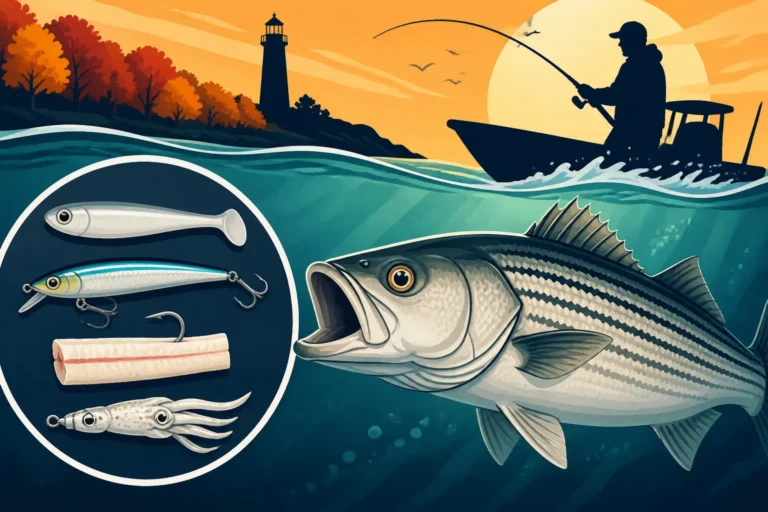
As late March rolls into April and May, the magic truly begins. The first big push of migratory striped bass starts to arrive. These aren't just local holdovers; these are the larger, powerful fish that spent their winter in the deeper, warmer waters to our south. They're making their way up the coast, often following the rising water temperatures and the burgeoning schools of baitfish. Many of these fish are heading for the spawning grounds in the Chesapeake Bay or Delaware River, but a significant portion will stage in our back bays and inlets, like Raritan Bay and Sandy Hook Bay, to feed heavily before continuing their journey. This is when you can experience incredible fishing, particularly in the northern parts of the state.
Following closely behind, and sometimes mingling with the bass, are the ravenous bluefish. While some bluefish may overwinter offshore, the larger, migratory choppers make their presence known as the water warms into the 50s and 60s Fahrenheit. These toothy predators are notoriously aggressive, often creating spectacular "blitzes" as they decimate baitfish schools. The action can be fast and furious, especially in areas where bait, like bunker, is concentrated. Knowing the Best Time of Year to Fish for Striped Bass in New Jersey and New Jersey Bluefish Season Peak Timing can help you plan your spring outings for maximum success. Don't forget that these larger fish are often looking for bigger meals, so having robust tackle ready is key.
Fluke and Other Bottom Dwellers Emerge
While the stripers and blues get a lot of headlines, spring also heralds the return of one of New Jersey's most beloved bottom fish: the summer flounder, or fluke. These flatfish move in from their offshore wintering grounds as bay and nearshore ocean temperatures climb, typically starting in May. They're usually found in our inlets and back bays first, seeking out the warmer, shallower water and the abundant food sources there. Think mud flats, channels, and areas with good structure where they can ambush prey.
Along with fluke, we also see an increase in activity from other bottom-dwelling species. Black sea bass, after spending the winter in deeper offshore waters, begin to move into shallower wrecks, reefs, and rocky bottom areas as water temperatures rise. Tautog, or "blackfish," which are often found around structure year-round, become much more active and aggressive feeders in the spring as their metabolism picks up. This makes spring a fantastic time for varied fishing, allowing anglers to target multiple species. Understanding New Jersey Black Sea Bass Season Opening Date is crucial for planning those early bottom fishing trips.
Early Season Freshwater Movements
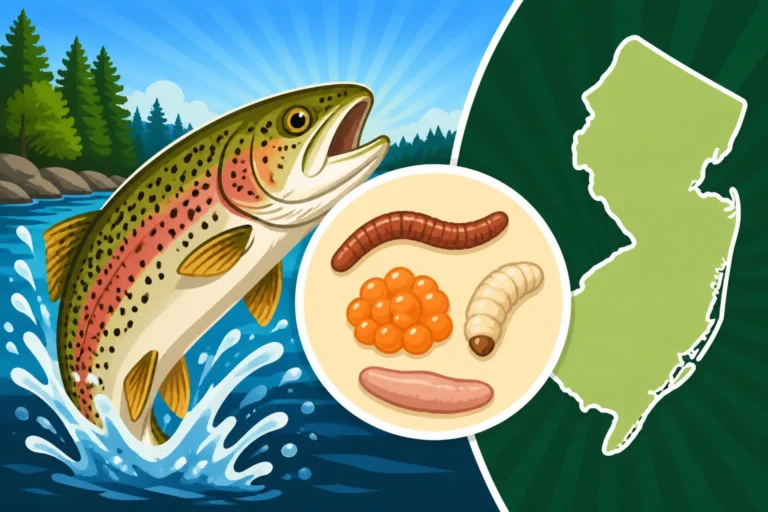
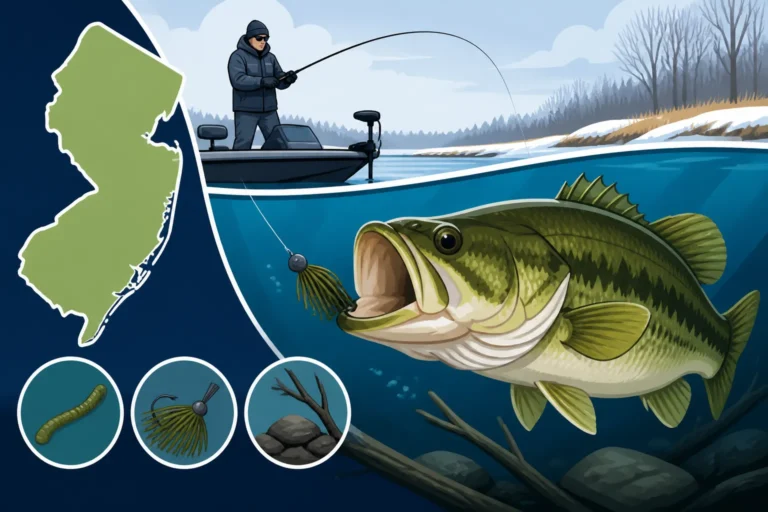
While our main focus is coastal migration, it's worth a quick mention that spring also invigorates our freshwater fisheries. Many freshwater species, such as trout, largemouth bass, and crappie, begin to move into shallower waters for spawning or to feed aggressively after the cold winter. New Jersey's annual trout stocking program creates incredible opportunities, and many anglers will find themselves juggling both saltwater and freshwater pursuits in the spring. Rivers and streams that were quiet all winter suddenly burst with life as trout are introduced, and native species become more active. The state works hard to ensure diverse fishing opportunities, with official New Jersey Fishing Season Dates and Closures released annually.
Summer's Steady Pace: Coastal Residency and Offshore Ventures
Once the initial frenzy of spring migration settles, New Jersey enters its summer fishing phase. This period is characterized by fish settling into their preferred temperature zones, with many species becoming resident in our bays and nearshore waters, while others head further offshore for deeper, cooler environs.
Flourishing Bay and Nearshore Fisheries
During the peak summer months of July and August, our expansive back bays, inlets, and the immediate nearshore ocean become true havens for a variety of popular game fish. Fluke, in particular, establish themselves in these areas. They'll spread out across channels, grass beds, and sandy bottoms, offering fantastic opportunities for drift fishing and jigging. The key to finding them often lies in understanding How to Find Structure When Fishing New Jersey Bays, as they love to lay in wait near edges and drop-offs.
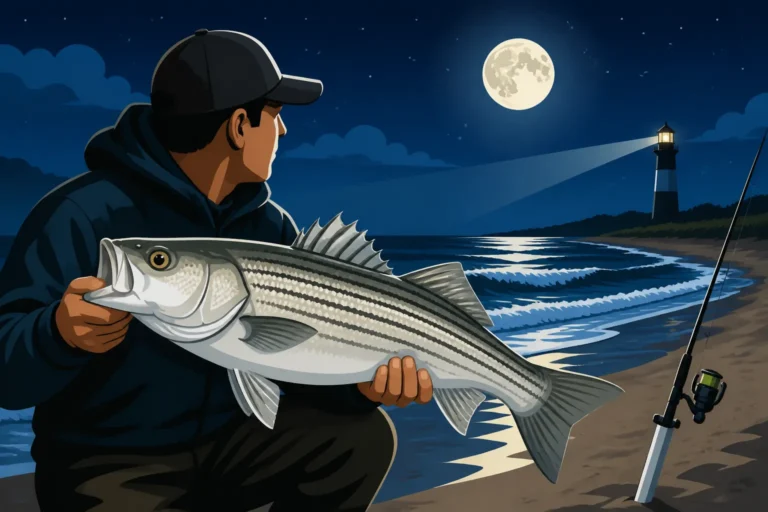
Striped bass, while the main migratory push has moved north, don't disappear entirely. A good number of "resident" striped bass will remain in our bays and inlets throughout the summer, often becoming more nocturnal in their feeding habits to avoid the heat and boat traffic. Early morning, late evening, and night fishing can be incredibly productive for these fish. Bluefish also maintain a strong presence, particularly around inlets and in the ocean where baitfish continue to school. Additionally, panfish like kingfish and blowfish become abundant closer to shore, providing excellent light-tackle fun for anglers of all ages. You'll find many anglers stocking up on smaller hooks and baits, perhaps even some specialized fishing lines from Amazon, to tackle these smaller, but still feisty, species.
Offshore Species Seek Deeper, Cooler Waters
As the nearshore waters truly heat up, many species that prefer cooler temperatures will move further offshore, or into deeper, cooler pockets of water. This is when the offshore canyon fishing really kicks off for species like tuna (bluefin, yellowfin, bigeye), mahi-mahi (dorado), and swordfish. These pelagic powerhouses follow currents and massive schools of baitfish far out into the Atlantic. This requires specialized boats, gear, and expertise, often involving New Jersey Deep Sea Fishing Charters that can take you to these distant fishing grounds.
Closer to shore, but still in the ocean, black sea bass continue to thrive on wrecks and reefs, often moving into slightly deeper water than in the spring. Triggerfish and various species of snapper and grouper might also be found around these structures. Even some larger fluke will hold in deeper ocean wrecks. The key for many of these species is finding that sweet spot of temperature and structure in the vastness of the ocean.
The Dog Days and Changing Feeding Patterns
The "dog days" of summer, typically late July and August, can present unique challenges for anglers. The high heat can make fish less active during the middle of the day, particularly in shallower waters. Their metabolism might slow, and they may become pickier about what they eat. Anglers often need to adapt their strategies. This means focusing on dawn and dusk, fishing deeper water, or experimenting with different baits and lures.
Often, during this period, the type of baitfish available shifts. Larger schools of bunker might move further offshore, while smaller bait like spearing, anchovies, and juvenile mullet become more prevalent in the bays. Successful anglers pay close attention to these changes and adjust their presentations accordingly. You might find that smaller, more subtle lures or natural baits become more effective than the aggressive presentations used earlier in the season. Understanding How to Read Tide Charts for Better Fishing in New Jersey is also critical, as active tides can often spur feeding during otherwise slow periods.
The Spectacular Fall Run: A Feast Before Winter
If spring is the reawakening, then fall is the grand finale. The fall run along the New Jersey coast is legendary, a period of intense feeding and migration as many species prepare for their southward journey and the leaner months of winter. For many anglers, this is the most anticipated and often most productive fishing season of the year.
Striped Bass and Bluefish Blitzes
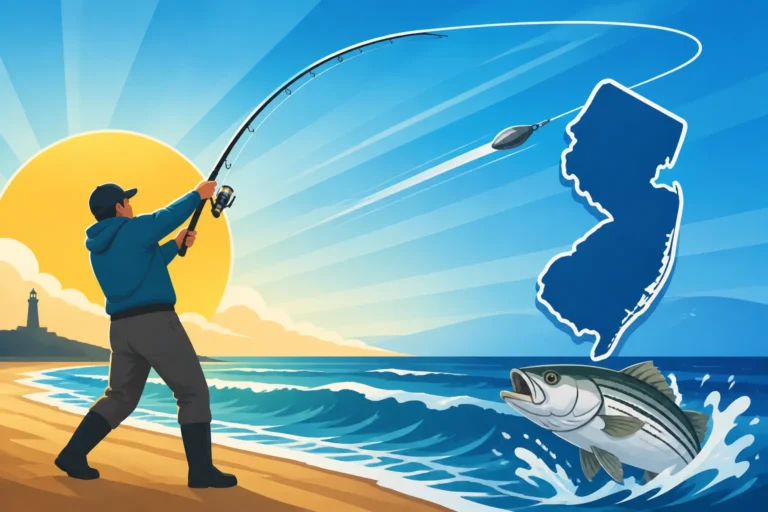
As the water temperatures begin to cool from their summer highs, usually starting in September and intensifying through October and November, the coastal migration of striped bass kicks into high gear. These fish, often joined by large schools of bluefish, begin their southward journey, gorging themselves on baitfish to build up fat reserves for the winter. This is when you can witness spectacular "blitzes" right off the beaches or in the inlets, where thousands of predatory fish erupt on bait schools, pushing them to the surface. It’s an incredible sight and an even more incredible fishing experience.
The action can be non-stop, with fish of all sizes, from schoolie stripers to trophy-class fish, chasing bunker, mullet, and sand eels along the coast. Anglers often line the beaches for New Jersey's fall run, participating in what feels like a collective effort to intercept these migrating fish. Boat anglers, kayak anglers, and surfcasters all get in on the action. Having a good supply of various lures that imitate local baitfish, easily sourced from retailers like Amazon, is essential during this time. The phrase "match the hatch" really applies here – throwing a lure that closely resembles the bait the fish are feeding on can make all the difference.
Tautog and Black Sea Bass Prep for Winter
While the migratory pelagics get much of the spotlight, fall is also a prime time for other popular species, particularly tautog and black sea bass. As water temperatures continue to drop, these fish become incredibly active around structure. Tautog, in particular, feed aggressively on crabs and mussels, packing on weight before the cold winter. Wreck and reef fishing for black sea bass also reaches its peak, with abundant and large fish often found on the numerous artificial reefs and natural rock piles dotting the New Jersey coast.
Many anglers view the fall as the absolute best time to target these species, thanks to their heightened feeding activity. It requires a different approach than chasing bass and blues – typically heavier tackle, strong lines, and a keen sense of bottom fishing. But the rewards, in terms of fighting fish and delicious table fare, are well worth it. Checking the specific New Jersey Black Sea Bass Season and Limits and New Jersey Tautog Season Dates is crucial as these can change annually.
Coastal Trout Movements
While predominantly a freshwater species, the fall sees significant activity for trout in New Jersey, particularly due to the extensive fall stocking program. Many lakes and streams that receive trout stocking in the spring are replenished, offering renewed opportunities. While not a "coastal migration" in the traditional sense, these stocked trout provide excellent angling as they actively feed in the cooling waters. For those who enjoy fly fishing, the cooler fall temperatures can also mean better conditions for targeting wild trout in some of our pristine trout streams. This overlap often means anglers are deciding whether to hit the salt for the fall run or enjoy the tranquility of a trout stream.
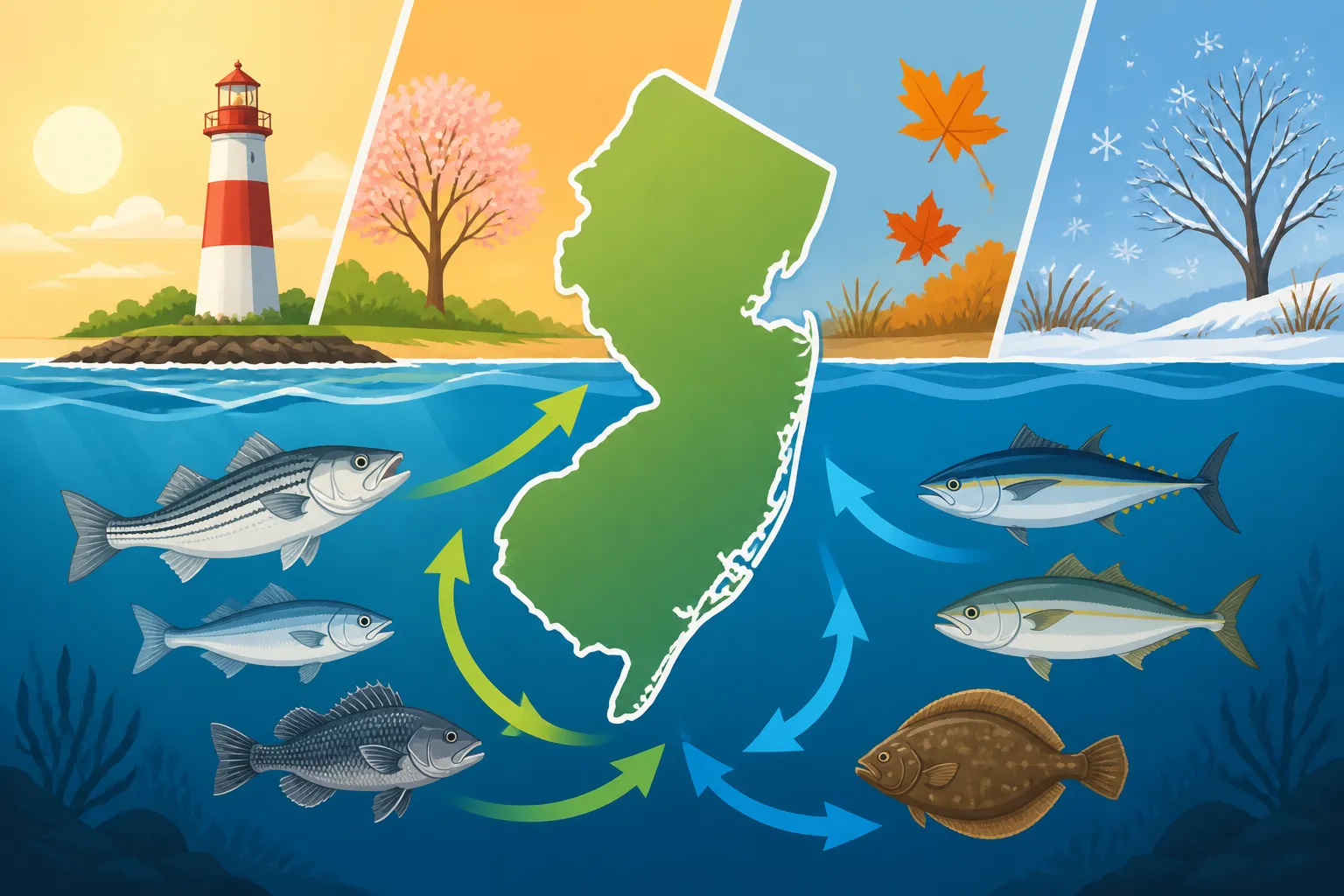
Here’s a quick overview of New Jersey's seasonal migration patterns:
| Species | Spring (Mar-May) | Summer (Jun-Aug) | Fall (Sep-Nov) | Winter (Dec-Feb) |
|---|---|---|---|---|
| Striped Bass | Strong northward migration, bay/inlet entry, spawning. | Resident fish, nocturnal feeding, some offshore. | Major southward migration, "fall run" blitzes. | Deep offshore waters, limited inshore. |
| Bluefish | Northward migration, aggressive feeding. | Strong coastal presence, abundant in bays/ocean. | Southward migration, intense feeding (blitzes). | Offshore in warmer waters. |
| Fluke | Inshore migration, bays and shallow ocean. | Abundant in bays and nearshore ocean. | Move to deeper ocean waters. | Offshore, deep ocean wintering grounds. |
| Black Sea Bass | Move from offshore to inshore wrecks/reefs. | Abundant on wrecks/reefs, deeper offshore. | Active on wrecks/reefs. | Deep offshore wrecks/reefs. |
| Tautog | Active around structure. | Active around structure. | Aggressive feeding around structure. | Inactive, tight to structure in deep water. |
Winter's Retreat: Deeper Waters and Overwintering
When the fall run finally winds down and the biting cold of winter sets in, many anglers pack away their gear, but that doesn't mean the fish have completely vanished. Winter in New Jersey means a significant retreat for most migratory species to deeper, warmer waters, but it also presents unique opportunities for those hardy enough to brave the cold.
The Deep Freeze and Offshore Migration
As coastal water temperatures plunge, most of the highly migratory species, like striped bass and bluefish, complete their southward journey, heading to overwintering grounds often off the coasts of Virginia and North Carolina, or in deeper, warmer pockets of the continental shelf. Fluke will settle into their deep ocean wintering areas, far from the reach of recreational anglers. The nearshore waters, which were so vibrant just weeks before, become eerily quiet.
However, "offshore" doesn't necessarily mean out of reach for all species. Black sea bass and tautog, for example, will hold in deeper wrecks and reefs, where water temperatures are more stable. While their metabolism slows, they can still be caught, albeit with specific techniques and often in more challenging conditions. This period often sees dedicated anglers venturing out on larger party boats or charters designed for New Jersey Winter Wreck Fishing Charters, targeting these hearty bottom dwellers.
Target Species for Winter Angling
For those who simply can't put their rods away, winter offers a few distinct opportunities. Aside from the offshore wreck fishing for black sea bass and tautog, our freshwater lakes and ponds can offer ice fishing opportunities in the northern parts of the state when conditions allow. Species like perch, crappie, and even pickerel can be targeted through the ice. It's a different kind of fishing, requiring specialized gear and a strong emphasis on safety.
Closer to the coast, certain areas like tidal rivers and protected estuaries might hold small populations of overwintering striped bass or white perch, especially near power plant outflows or deeper holes. These are often smaller fish, but they can provide a much-needed fix for cabin fever. It's important to remember that during these colder months, fish are less active, and bites can be subtle. Patience and a good understanding of fish behavior in cold water are essential. Always check current New Jersey fishing regulations for specific winter rules and species closures.
Navigating the Seasons: How Anglers Adapt
Understanding migration patterns is only half the battle; the other half is knowing how to adapt your angling strategy to match the season. The successful angler isn't just lucky; they're informed and flexible, constantly adjusting their gear and techniques to what the fish are doing.
Gear and Technique Adjustments for Each Season
Just as fish change their habits seasonally, so too must our approach to fishing. What works in spring for migrating stripers won't necessarily work for summer fluke.
- Spring: This is often a time for larger plugs, soft plastics, and chunk bait for the aggressive, migrating striped bass and bluefish. Many anglers will opt for medium-heavy rods and reels capable of handling powerful runs. For fluke, lighter gear with bucktails and Gulp! baits is popular for drifting in bays.
- Summer: As fish settle in, finesse often becomes more important, especially for resident striped bass in the bays. Smaller topwater lures or live bait presentations might be more effective at night. For fluke, the same light tackle and bucktails work, but perhaps with longer drifts in deeper channels. Offshore, heavy trolling gear for tuna or jigging setups for mahi-mahi become standard.
- Fall: The fall run demands versatile gear. Medium-heavy to heavy surf rods for casting long distances from the beach are common, paired with large capacity spinning reels. Boat anglers will use similar setups for casting and jigging, or even live-lining bunker. For tautog and black sea bass, stout boat rods with conventional reels are favored, spooled with strong braided line to feel the subtle bites around structure.
- Winter: When targeting tautog or sea bass on wrecks, heavy-duty gear designed for bottom fishing is essential. For freshwater ice fishing, ultra-light rods and small jigs are the norm.
Consider how crucial it is to have the right tools, whether it's specific lures for Best Lures for Striped Bass Fishing or specialized tackle for other species. Always make sure your gear is in top shape, and don't be afraid to experiment. Many anglers find great deals on seasonal gear changes by checking out offerings on Amazon, especially for those highly specific items that are hard to find locally.
Reading the Signs: Water Temperature and Tides
Beyond general seasonal knowledge, the truly successful angler pays close attention to immediate environmental cues, especially water temperature and tides. Water temperature, as discussed, is a primary driver of fish movement and activity. A good digital thermometer can be an invaluable tool. Learning the optimal temperature ranges for your target species will significantly increase your odds. For example, knowing that striped bass become more active when the water hits the low 50s in spring can help you time your first trips perfectly.
Tides, particularly in our coastal bays and inlets, dictate when and how fish feed. A strong moving tide, whether incoming or outgoing, often creates current that congregates baitfish and makes game fish more active as they position themselves to ambush prey. Understanding How to Fish a Falling Tide or a rising tide and how these currents interact with structure like inlets and bridges is a game-changer. Local knowledge, fishing reports, and tide charts are your best friends here. Don't forget, even subtle changes in weather, like a sudden drop in barometric pressure, can influence feeding activity. Staying observant, connecting the dots between environmental conditions and fish behavior, is what truly sets apart consistent anglers.
Disclaimer
Please be aware that fishing regulations, season dates, and size limits in New Jersey are subject to change. Always consult the latest New Jersey Fish and Wildlife Digest or visit their official website before heading out on the water to ensure compliance with current rules and regulations. This guide is for informational purposes only and does not supersede official government advisories.