Best Lures for Muskie Fishing
Chasing muskies in New Jersey lakes can feel like a quest for a mythical beast. These apex predators are notoriously elusive, often earning them the title "fish of a thousand casts," which can be incredibly frustrating when you're spending countless hours on the water. But with the right approach and, crucially, the right lures, you can significantly increase your chances of finally connecting with one of these magnificent fish. This guide is all about equipping you with the knowledge to pick the perfect muskie lures, understand why they work, and present them effectively in our local New Jersey waters.
Understanding Muskie Behavior and Their Prey
Before you even think about tying on a lure, it’s absolutely essential to understand what makes a muskie tick. These aren't your everyday panfish; they are highly evolved predators with specific hunting instincts.
Why Muskies Are Such a Challenge
Muskies, or muskellunge, are at the top of the freshwater food chain wherever they reside, and New Jersey is no exception. What makes them so difficult to catch isn't just their size, which can be truly immense, but their intelligence and often finicky nature. They are ambush predators, often holding tight to cover like dense weed beds, submerged timber, or rocky drop-offs, waiting for an unsuspecting meal to swim by. They can be incredibly territorial and aggressive, but they can also be maddeningly indifferent, following a lure right to the boat only to turn away at the last second. This "follow-but-no-strike" behavior is a common frustration for muskie anglers, leading to endless speculation about what might have triggered a strike. The sheer power and speed of their attack, when they do commit, is something that has to be seen to be believed, making all those "thousand casts" worth it in the end. It's a true test of patience and persistence, but the reward is unforgettable.
Key Forage Fish in New Jersey Muskie Waters
To choose the right lure, you have to think like a muskie. What are they eating in the waters they call home? In New Jersey, muskies are primarily found in a few key locations, such as Greenwood Lake, Monksville Reservoir, and Mercer Lake. In these environments, their diet largely consists of whatever larger baitfish are readily available. Common forage includes various species of suckers, yellow perch, alewives, shiners, and even smaller pike or muskie. Knowing this gives you a huge advantage when selecting lure size, profile, and color. For instance, if you're fishing Greenwood Lake, where there's an abundance of large yellow perch, a lure that mimics a perch's size and distinct striped pattern could be incredibly effective. Always try to "match the hatch" – choose a lure that looks like the primary food source in the particular body of water you're fishing. It's about presenting a familiar, easy meal that triggers their predatory instinct.
The Essential Muskie Lure Arsenal
Muskie fishing demands a specialized tackle box filled with lures designed to handle these powerful fish. We're talking about heavy-duty, oversized baits that stand up to vicious strikes and razor-sharp teeth.
Giant Bucktails and Spinnerbaits
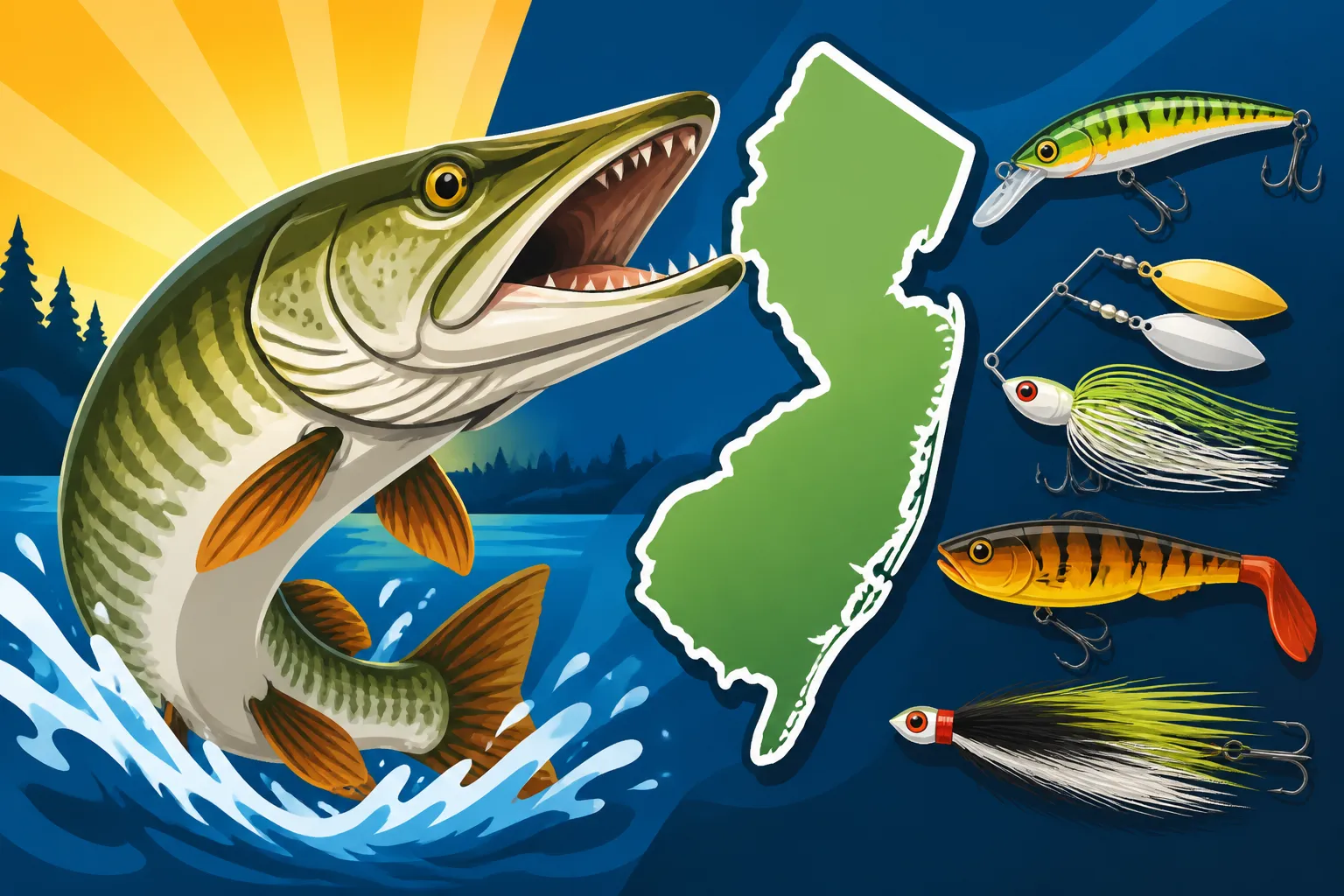
When it comes to covering water and eliciting aggressive reaction strikes, giant bucktails and spinnerbaits are absolutely indispensable. These lures are built to create a massive amount of flash and vibration in the water, mimicking a fleeing baitfish. The spinning blades, whether they are Colorado (round, maximum vibration), Indiana (oval, good balance), or Willowleaf (long and thin, maximum flash), chop through the water, sending out pulsations that muskies can detect from a distance. Often adorned with voluminous deer hair (the "bucktail"), they create a large profile that appeals to a muskie's appetite. Manufacturers like Musky Mayhem Tackle and Mepps offer popular options, with the Musky Mayhem Tackle Cowgirl being a legendary choice among many anglers. Retrieving these baits with a steady, medium-to-fast retrieve is generally the standard, but don't be afraid to experiment with slight pauses or changes in speed to trigger a chase. The sheer commotion these lures cause often brings muskies out of heavy cover, making them a fantastic search bait, especially when you're trying to locate active fish or covering large areas of open water. Many anglers swear by these for their ability to provoke savage strikes, and you can find a wide variety of these on Amazon.
Glide Baits and Jerkbaits
For a more subtle, yet incredibly effective, presentation, glide baits and jerkbaits are key. These lures are designed to mimic the erratic, injured swimming action of a baitfish struggling in the water. Glide baits, like those from Svartzonker, are typically retrieved with a side-to-side "glide" action by sweeping the rod tip, often followed by a pause. It's during these pauses that many muskies will commit to a strike, as the lure hangs tantalizingly in the water. Jerkbaits, such as traditional wooden Grandma Lures or Bondy Baits, are worked by sharply twitching or "jerking" the rod, causing the bait to dart erratically. Again, the pauses are critical here, allowing the muskie to zero in and strike. These baits are fantastic for targeting muskies holding tight to structure or when the fish are less aggressive and a slower, more deliberate presentation is required. They demand a bit more skill to work correctly, but the reward can be enormous, often drawing out reluctant fish that ignore faster-moving presentations. Learning the nuances of these baits can be a game-changer for serious muskie anglers.
Crankbaits and Swimbaits
Crankbaits and swimbaits offer a diverse range of options for targeting muskies at various depths. Large crankbaits, with their distinct diving lips, can be used to dredge the bottom in deeper water or run just above weed tops in shallower areas. Deep-diving models, like the Rapala Super Shad Rap, can reach impressive depths, making them ideal for targeting muskies holding on deep breaks or humps. Shallower-running versions are excellent for covering flats or along shorelines. The key with crankbaits is their consistent, fish-like wobble and vibration. Swimbait, on the other hand, prioritize realism. These are often soft-bodied lures, sometimes segmented, designed to perfectly imitate the natural swimming action and appearance of a live baitfish. Brands like Livingston Lures or Savage Gear produce large, realistic swimbaits that can be incredibly effective when muskies are feeding on larger forage. They offer a more natural presentation, often working well in clearer water or when muskies are being particularly picky. Whether you're trolling with a deep diver to explore vast stretches of water or casting a realistic swimbait around isolated cover, these lures are versatile tools in your arsenal.
Topwater Lures for Explosive Strikes
There’s arguably no more exciting way to catch a muskie than on a topwater lure. The heart-stopping explosion of a massive muskie blowing up on a bait on the surface is an experience every angler dreams of. These lures are designed to create a disturbance on the water, whether it's the gurgle and splash of a propeller bait like the Whopper Plopper, the side-to-side "walk-the-dog" action of a Heddon Zara Spook, or the crawling motion of a creeper bait. The commotion and silhouette against the sky trigger aggressive, often violent, strikes. Topwater fishing is generally most effective in low light conditions, such as early morning or late evening, or on overcast days when muskies feel more comfortable hunting in the shallows. They excel over weed beds or around fallen timber where muskies might be lurking just below the surface. The thrill alone makes it worth dedicating time to throwing these baits, but they are also genuinely effective, especially when muskies are actively feeding and looking up for their next meal.
Soft Plastics and Jigging Baits
While often associated with bass fishing, large soft plastics and jigging baits have a significant place in the muskie angler's tackle box, particularly for slower presentations or specific situations. Oversized soft plastic swimbaits, like those from Keitech or Z-Man, offer a realistic profile and subtle action that can be irresistible to finicky muskies, especially in colder water or post-frontal conditions when fish are less inclined to chase. They can be rigged weedless, allowing you to probe dense cover without snagging. Heavy jigging baits, on the other hand, are designed for vertical presentations. These are excellent for targeting muskies suspended over deep structure, like rock piles or sudden drop-offs, which you might locate with a fish finder. The technique involves dropping the bait to the desired depth and then rhythmically lifting and dropping the rod, causing the lure to "dance" in place. This can be deadly for inactive fish, presenting a meal that requires minimal effort to ambush. Sometimes, a slower, more methodical approach is exactly what it takes to tempt a wary muskie, and soft plastics or jigging baits fill that niche perfectly.
Choosing the Right Lure for New Jersey Conditions
Selecting the best muskie lure isn't a one-size-fits-all endeavor. It heavily depends on the specific conditions you encounter on any given day in New Jersey's diverse muskie waters.
Matching the Hatch and Water Conditions
One of the most crucial principles in all fishing, but especially for muskies, is to "match the hatch." This means choosing a lure that closely resembles the size, shape, and color of the natural forage fish present in the body of water you're fishing. Take a trip to a local bait shop near Greenwood Lake, and they'll likely give you tips on current baitfish populations. If muskies are primarily feeding on yellow perch, a perch-patterned crankbait or swimbait will often outperform a brightly colored, abstract lure.
Beyond species, water conditions play a huge role. In clear water, common in reservoirs like Round Valley Reservoir (though Round Valley is known for lake trout, the principle applies to any clear water lake like Monksville where muskies reside), more natural, subtle colors like browns, greens, and shad patterns tend to be most effective. Muskies in clear water have excellent visibility and are more likely to inspect a lure closely. On the other hand, in stained or murky water, brighter, flashier colors with high contrast, such as chartreuse, firetiger, or those with lots of silver or gold blades, can be more visible and effective. The extra flash and vibration from larger bucktails can also help muskies locate the lure in low-visibility conditions. Always observe the water clarity before making your final lure choice, and don't be afraid to experiment throughout the day as light conditions change. Knowing New Jersey Fishing Seasons Explained can also help you anticipate changes in water temperature and clarity.
Seasonal Considerations for Muskie Lures
The time of year dramatically influences muskie behavior and, consequently, the best lure choices. Their metabolism and feeding patterns shift with water temperature.
- Spring: As the ice recedes and water temperatures begin to rise, muskies are often recovering from the spawn. They can be lethargic and less willing to chase fast-moving baits. This is a prime time for slower presentations. Large jerkbaits, glide baits, or even slowly retrieved soft plastics can be highly effective. Focus on shallow bays and sun-warmed areas where baitfish are congregating. These fish aren't always looking for a big meal right after spawning, so a smaller, easier target might get their attention.
- Summer: When water temperatures are at their peak, muskies are highly active and aggressive. This is the season for power fishing. Fast-moving bucktails, large crankbaits, and topwater lures reign supreme. Muskies will readily chase down baits, so don't be shy about burning a bucktail or ripping a crankbait over weed beds. Focus on early mornings, late evenings, or overcast days, as mid-day sun can push them deeper or into heavy cover.
- Fall: As water temperatures drop, muskies enter their "feedbag" period, aggressively bulking up for winter. This is often considered the best time for trophy muskies, and it's when they'll hit the largest baits. Think big glide baits, oversized crankbaits, and even larger soft plastics. Slower, more deliberate presentations can still work, but the goal is to present a substantial meal that convinces them it's worth the energy. This is also when the "figure eight" at the boat becomes even more critical, as muskies often follow big baits for a long time before deciding to strike. The average size of a muskie during this period can be truly impressive.
Gear Considerations for Heavy Lures
Muskie fishing isn't just about the lures; it's about having the right tools to wield them. These are heavy, cumbersome baits, and you need gear that can handle the stress and the powerful fish that strike them. A heavy-action casting rod, typically 8-9 feet long, is essential for casting these large lures effectively and providing the leverage needed to fight a big muskie. Pair this with a robust baitcasting reel capable of holding a large amount of heavy braided line, usually 80-100 lb test, to prevent line stretch and ensure solid hooksets. A high-quality fluorocarbon or wire leader is non-negotiable to prevent bite-offs from their razor-sharp teeth. Don't skimp on terminal tackle either; strong snaps and split rings are vital. Investing in good quality gear will save you heartache when you finally hook that fish of a lifetime. You can find excellent options for beginner fishing gear that scales up for muskie fishing on platforms like Amazon. For specifics on reels, consider reading about the differences between spinning and baitcasting reels, as baitcasting is generally preferred for muskie.
Lure Presentation and Retrieval Techniques
Having the best lures is only half the battle. How you present and retrieve them is just as important, especially when dealing with such an intelligent and wary predator like a muskie.
The Importance of the "Figure Eight"
This is perhaps the most famous and crucial technique in muskie fishing, and for good reason. Many times, a muskie will follow your lure right up to the boat, inspecting it closely but refusing to strike. This is where the "figure eight" comes in. As your lure gets close to the boat, instead of simply lifting it out of the water, quickly plunge your rod tip into the water and begin tracing a large, wide figure-eight pattern with your lure next to the boat. This erratic, darting motion often triggers a strike from a following muskie that might have otherwise turned away.
The key is to make the turns wide and smooth, maintaining tension on the line, and keeping your eyes on the lure at all times. Muskies often strike on the turns or pauses within the figure eight. It's an instinctive, reactive strike. Never, ever pull your lure out of the water quickly when muskie fishing until you’ve completed several figure eights. You'd be amazed how many fish are caught within mere feet of the boat using this technique. This is particularly effective in places like Greenwood Lake, where muskies are known for their inquisitive nature.
Varying Your Retrieve Speed and Action
Muskies have moods, and their willingness to chase can change by the hour. A common mistake is to retrieve a lure at a constant speed, hoping for the best. Instead, become a master of varying your retrieve. If a steady retrieve isn't working, try speeding it up with sudden bursts, then pausing. If they're being finicky, slow down your retrieve, adding erratic twitches or long pauses to your jerkbaits or glide baits. The goal is to make your lure look like an injured or disoriented baitfish – an easy meal.
Pay attention to what the muskie is telling you. If you're getting follows but no strikes, it might be a sign to change your retrieve or even switch lures. Sometimes, a subtle flutter on the pause is all it takes to trigger that strike. Experiment with different depths, speeds, and actions until you find what the fish are responding to on that particular day. This constant adjustment is what separates successful muskie anglers from those who get endless follows.
Understanding Cover and Structure
Muskies are ambush predators, which means they are almost always associated with some form of cover or structure. These can include dense weed lines, submerged timber, rocky points, sudden drop-offs, or even man-made structures like bridge pilings or docks. Your lure choices and presentations should reflect these locations. For example, if you're fishing over dense weed beds, weedless soft plastics or shallow-running crankbaits and topwaters are ideal to avoid snagging. If you're targeting muskies on deep rock piles in Monksville Reservoir, then deep-diving crankbaits or jigging baits become more appropriate.
Learning to read the water and understand where muskies are likely to hold is crucial. Use a fish finder to locate submerged humps, weed lines, or schools of baitfish, as this will help you pinpoint potential muskie haunts. The more precisely you can present your lure to these ambush points, the higher your chances of getting a strike. Understanding how to use a fish finder can significantly improve your success in locating these fish and their preferred ambush points. Remember that muskies aren't just swimming aimlessly; they are strategically positioning themselves to conserve energy and intercept prey.
Muskie Lure Selection Guide
| Lure Type | Best Use Case | Recommended Size / Color | Retrieve Technique | Notes |
|---|---|---|---|---|
| Giant Bucktails | Covering water, aggressive fish, moderate to clear water | 8-12 inches, bright flash (chartreuse, white, black) | Steady, fast retrieve; occasional pauses | Excellent search bait; high vibration and flash. Brands like Musky Mayhem Tackle Cowgirl are popular. |
| Spinnerbaits | Similar to bucktails, can be fished slower | 6-10 inches, natural colors (perch, shad) | Steady retrieve, varying speed | Versatile, can be worked around cover. Good in diverse conditions. |
| Glide Baits | Finicky fish, slower presentations, clear water | 6-10 inches, natural baitfish patterns | Sweep-and-pause; side-to-side glide | Erratic action mimics injured prey; often triggers strikes on the pause. |
| Jerkbaits | Cold water, around structure, subtle action | 6-12 inches, dark patterns (black/orange, brown) | Twitch-twitch-pause; sharp snaps | Darts erratically; can be suspended to tempt inactive fish. Often made of wood. |
| Crankbaits | Trolling, specific depths, structure fishing | 5-10 inches, shad, perch, firetiger patterns | Steady retrieve; contact with bottom/structure | Deep divers for open water, shallow for weeds. Mimics consistent swimming motion. Rapala Super Shad Rap. |
| Swimbaits (Soft/Hard) | Realistic presentation, clear water, picky fish | 8-14 inches, ultra-realistic baitfish patterns | Slow, steady retrieve; occasional twitches | Excellent for imitating large, natural forage. Good for targeting specific fish. Savage Gear. |
| Topwater Lures | Low light, over weeds, aggressive fish | 6-10 inches, dark silhouette (black), loud colors | Walk-the-dog, chug-and-pause, steady gurgle | Exciting, explosive strikes. Effective in shallows. Whopper Plopper, Heddon Zara Spook. |
| Soft Plastics (Jigs) | Deeper water, vertical jigging, cold water | 8-12 inches, natural colors, dark colors | Lift-and-drop, slow retrieve with hops | Great for inactive fish or specific depth presentations. Can be rigged weedless. |
Disclaimer
Always remember that fishing regulations, including bag limits, size limits, and season dates, can change. It's your responsibility to consult the latest New Jersey Fish and Wildlife Digest before heading out on the water. This guide is for informational purposes only and should not be considered a substitute for official regulations.