What Is the New Jersey Catfish State Record?
There's nothing quite like the thrill of reeling in a big fish, but for many New Jersey anglers, the thought of landing a state record is a dream that feels just out of reach, especially when it comes to species like catfish that are often underestimated. Many wonder if their recent monster catch could actually be the one, but finding definitive information about these impressive fish and the official records can sometimes feel like trying to find a needle in a haystack. This guide aims to clear up the mystery, detailing the current New Jersey Catfish State Record, exploring the diverse world of catfish in the Garden State, and offering insights for those aspiring to make their own mark in the record books.
Unveiling the Garden State's Catfish Champions
New Jersey's waters, both fresh and brackish, hold a surprising diversity of catfish species. While many folks might only think of the common channel cat, there are other types lurking beneath the surface. For serious anglers and those simply curious, knowing the official state records can add an extra layer of excitement to every cast. It's not just about the size; it's about the legend, the angler, and the specific conditions that allowed such a magnificent creature to grow to record proportions.
The Reigning King: New Jersey's Channel Catfish Record
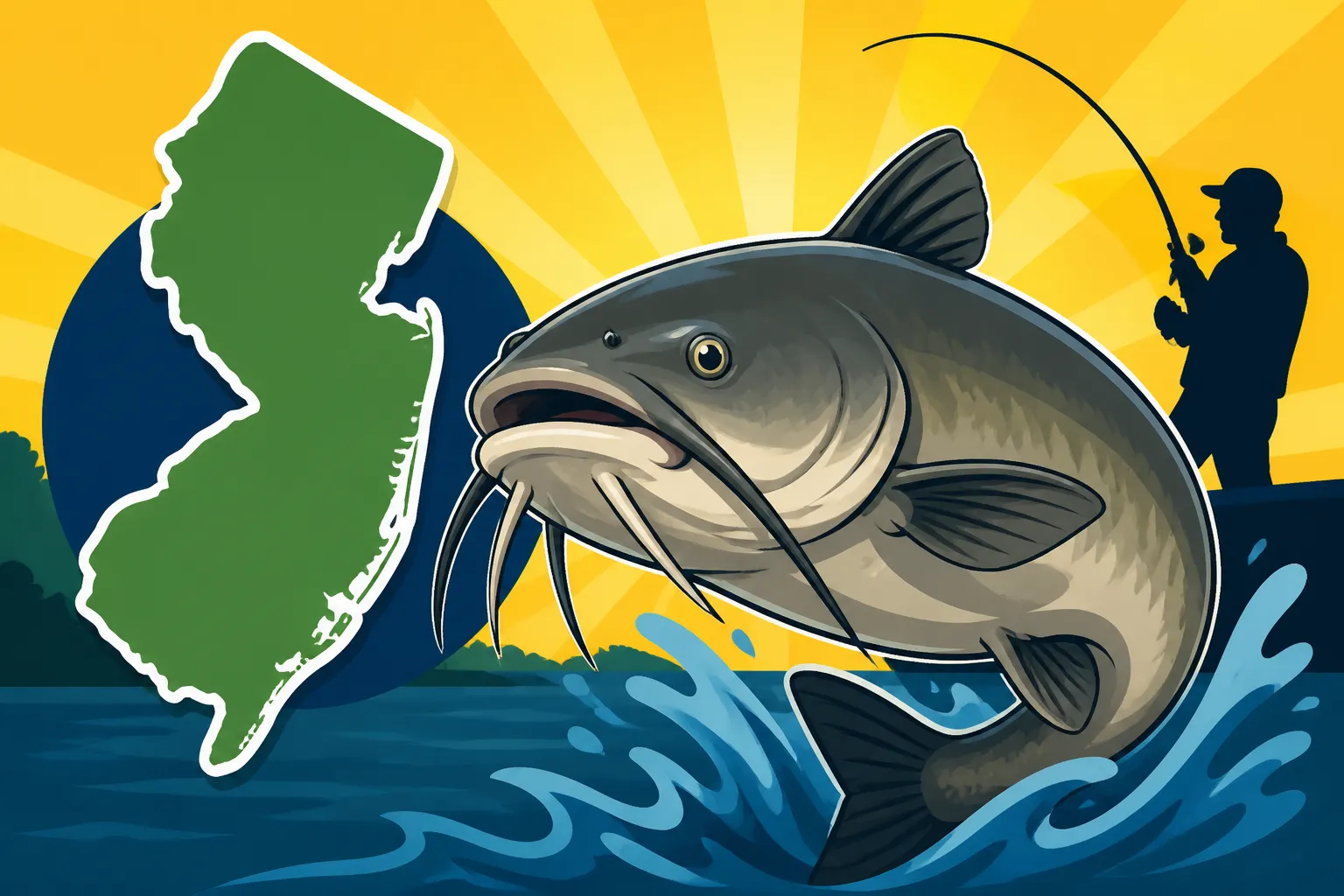
When we talk about the New Jersey Catfish State Record, we're primarily referring to the Channel Catfish, as it's the most widely distributed and sought-after species in the state. And let me tell you, this record isn't just a number; it's a testament to the potential of our freshwater systems. The current New Jersey State Record Channel Catfish weighed in at a truly impressive 33 pounds, 6 ounces. Imagine the fight that fish put up! That's a catch that would make any angler's heart pound, proving that our local waters are capable of producing absolute giants.
This legendary catch was pulled from Lake Hopatcong, a true gem in New Jersey's freshwater fishing scene, proving that big fish can come from our most popular and accessible waterways. It wasn't just a lucky break; it was likely the culmination of patience, skill, and perhaps a bit of local knowledge. Every time I hear about a record like this, it reminds me that those quiet hours spent on the water can truly pay off in unexpected ways. It also highlights the healthy environment that allows these fish to thrive and grow to such incredible sizes. For more on the species, check out our New Jersey Catfish Species Guide.
Other Catfish Contenders: Flatheads and Bullheads
While the Channel Catfish holds the primary record, it's worth noting that New Jersey also hosts other fascinating catfish species, each with their own unique characteristics and, in some cases, their own record books. It's easy to assume that all catfish are the same, but once you start to distinguish them, you realize the rich diversity we have.
Flathead Catfish: Are There Separate Records?
Flathead catfish are a different beast entirely, known for their immense size and predatory nature. They're often found in larger rivers and deeper impoundments, and they can grow to truly monstrous proportions. Currently, New Jersey does not maintain a separate state record category for Flathead Catfish within the same public listing as the Channel Catfish. This sometimes leads to confusion among anglers who pull in a huge flathead and wonder where it stands. Typically, larger, non-native or less common species might be listed under a broader "other species" or have their own unofficial local recognition before an official state category is established, should they become more prevalent. If you're targeting these giants, the thrill is often in the challenge itself, rather than the official recognition, though that could change in the future if their population grows.
Bullhead Records: Smaller, But Still Significant
Then there are the bullheads – brown, black, and yellow bullheads – which are much smaller than their channel and flathead cousins but are incredibly common and offer fantastic fishing opportunities, especially for younger anglers or those looking for consistent action. While they won't typically challenge the 30-pound mark, there's a distinct pleasure in catching a really plump bullhead. New Jersey does recognize state records for these smaller, but no less important, species. The state record for a Brown Bullhead, for instance, is a respectable 4 pounds, 8 ounces, and for a Yellow Bullhead, it stands at 3 pounds, 10 ounces. These records prove that even the smaller inhabitants of our waters can provide an exciting challenge and a place in the history books for dedicated anglers. It’s always worth checking the official state fish and wildlife digest for the most up-to-date and complete list of all recognized state records, as these things can sometimes change. You can learn more about their typical sizes in Typical Size of a Channel Catfish in New Jersey Lakes.
The Allure of Trophy Catfish in New Jersey
There's something uniquely captivating about pursuing a trophy fish, and catfish are no exception. While they might not possess the flashy colors of a trout or the acrobatic leaps of a smallmouth bass, their sheer power, their mysterious nature, and the challenge they present make them a prime target for many anglers. It's a different kind of thrill, a slow, deliberate pursuit that often culminates in an epic battle.
Why These Records Spark Our Imagination
For many of us who love to fish, the idea of a state record isn't just about personal glory; it's about pushing the boundaries of what's possible in our local waters. It fuels dreams of legendary catches and reinforces the idea that even familiar fishing spots can hold incredible surprises. It gives us something to talk about around the campfire and motivates us to explore new techniques or forgotten corners of a lake.
Beyond the Table Fare: Catfish as a Game Fish
Historically, catfish were often seen primarily as table fare, something to be caught for dinner rather than for sport. And don't get me wrong, a fresh catfish fillet is a delicious treat! However, the perception has shifted over the years, and rightfully so. Big catfish are formidable fighters. They pull hard, they dig deep, and they test your gear and your resolve. Landing a large channel cat or flathead often requires significant effort and skill, elevating them firmly into the realm of true game fish. This recognition has only added to their appeal, inspiring more anglers to specifically target these impressive creatures. It's a reminder that beauty isn't just skin deep, and a strong fighting spirit makes for an incredible angling experience.
The Challenge of the Unknown: What Makes a Record Catch So Special
Part of what makes chasing a record catfish so special is the inherent mystery. These fish are often nocturnal, preferring to lurk in deeper, darker waters or under heavy cover during the day. They're not always easy to find, and even when you do, convincing a mature, wary fish to bite can be a real puzzle. A record-setting fish has navigated countless challenges, avoided predators, found abundant food, and reached an incredible age and size. Catching such a creature feels like connecting with a true elder of the aquatic world, a testament to nature's resilience. It requires patience, keen observation, and often, a willingness to fish unconventional hours or in less-than-glamorous locations. That dedication, when it finally pays off, is what makes the achievement so profoundly satisfying.
Understanding Catfish Behavior for Bigger Bites
To even dream of challenging a state record, you first need to understand the fish itself. Catfish, especially the larger channel and flathead species, have distinct preferences when it comes to habitat, diet, and activity patterns. Knowing these can dramatically increase your odds of encountering a true lunker. It's not just about throwing a line in the water; it's about thinking like a fish.
Prime Habitats and Feeding Patterns
Channel catfish, our state record holder, love structure. They'll often hang around submerged logs, rock piles, bridge pilings, and deep holes in rivers and lakes. They are opportunistic feeders, meaning they'll eat just about anything, but they have a particular fondness for smelly baits. Think cut bait, chicken livers, or commercial stink baits. They're scavengers by nature but will readily attack live bait as well. Flatheads, on the other hand, are apex predators that prefer live bait – bluegills, suckers, or other small fish are their go-to meals. They are ambush predators and will often position themselves near current breaks or heavy cover, waiting for an unsuspecting meal to swim by. Understanding these nuances is crucial. You can find out more about what they like to eat in What Do Channel Catfish Eat?.
Seasonal Shifts for Catfish Activity
Catfish activity fluctuates with the seasons and water temperature. In the warmer months, especially from late spring through early fall, catfish are incredibly active. This is when their metabolism is high, and they are constantly on the hunt for food. They'll often move into shallower areas to feed at night, making evening and nighttime fishing particularly productive. As the water cools in late fall and winter, their activity slows down considerably. They'll retreat to deeper holes and become much less active, though they can still be caught by patient anglers using slower presentations. Pre-spawn and post-spawn periods are also excellent times, as the fish are either feeding heavily to prepare for spawning or replenishing their energy stores afterward. Paying attention to these seasonal patterns is key to finding the most active, and often the largest, fish. How to Catch Catfish After Dark is a great resource if you're planning an evening trip.
Strategies for Chasing Your Own Personal Best
So, you're inspired to go after a personal best, or even dream of the state record? That's the spirit! It’s an achievable goal with the right approach, equipment, and a bit of determination. While landing a true monster might seem daunting, breaking it down into manageable steps makes the chase all the more exciting.
Essential Gear for Serious Catfish Anglers
Chasing big catfish means you need gear that can handle the abuse. These fish are powerful, and they don't give up easily. Skimping on tackle is a surefire way to end up with a broken line and a story of "the one that got away."
Rod, Reel, and Line for the Fight
For serious catfishing, you'll want a heavy-action rod, typically 7 to 9 feet long, with plenty of backbone. This isn't finesse fishing; you need a rod that can cast heavy baits and absorb powerful runs. Pair that with a robust baitcasting reel capable of holding a substantial amount of heavy line. Many dedicated catfish anglers prefer reels with a good baitrunner feature, which allows the fish to take line without feeling resistance until you engage the drag. As for line, braided line in the 30 to 80-pound test range is a popular choice for its strength and sensitivity, often paired with a monofilament or fluorocarbon leader to absorb shock and provide abrasion resistance around structure. You can find some excellent heavy-duty catfish rods and reels on platforms like Amazon, offering a wide range of options to suit different preferences and budgets.
Baiting Up for the Big Ones
This is where catfish fishing really gets interesting! As mentioned, channel cats are not picky, but some baits are definitely more effective for big fish. Stink baits, chicken livers, chunks of cut oily fish like bunker or shad, and even hot dogs have proven to be lethal. Presentation is also key; often, a simple Carolina rig or a three-way swivel rig with a heavy sinker to hold the bait on the bottom is all you need. For flatheads, live bait is almost mandatory. Small sunfish, suckers, or shiners, hooked carefully to stay lively, are incredibly effective. Make sure your hooks are sharp and strong enough to penetrate a catfish's tough mouth and hold on during a vigorous fight. The exact size and type of bait might vary by location and the time of year, so don't be afraid to experiment. For more details, check out Best Bait for Channel Catfish.
Top New Jersey Spots Known for Catfish
New Jersey has some fantastic catfish waters, offering opportunities from sprawling lakes to winding rivers. While the state record came from Lake Hopatcong, that's just one of many potential hotspots.
Lakes, Rivers, and Ponds with Potential
Many of New Jersey's larger lakes and slow-moving rivers hold significant populations of channel catfish, and some even have flatheads. Lakes like Assunpink Lake, Mercer Lake, and Union Lake are known for producing good numbers of decent-sized catfish. Reservoirs with ample structure and deep sections can also be excellent. On the river front, sections of the Delaware River, especially slower-moving stretches with deep holes and fallen timber, are prime spots for both channel cats and flatheads. Don't overlook the smaller, lesser-known ponds and backwaters either; sometimes these overlooked gems can hold surprisingly large fish that have had less angling pressure. Exploring new areas based on reports and local knowledge is part of the fun. New Jersey's Best Freshwater Lakes for Fishing is a great place to start your research.
Scouting for Catfish Hotspots
Successful catfishing often involves a bit of detective work. Look for areas with significant structure – submerged trees, log jams, rock piles, or old bridge abutments. Current breaks in rivers, where fish can rest out of the main flow but still ambush prey, are also excellent. Deep holes are always a good bet, especially during the day or in colder water. Using a fish finder can help identify these features, but sometimes simply observing the water for signs of baitfish or subtle current changes can give you clues. Fishing at night can be particularly effective, as catfish often move into shallower feeding areas under the cover of darkness. Don't be afraid to move around until you find where the fish are holding, and once you do, mark that spot! You'll be amazed at what you can find once you start paying closer attention to the underwater world.
The Official Process: What to Do When You Catch a Giant
So, you've done it! You've landed a fish that looks like it could challenge a record. What now? The moments immediately after catching a potential record-breaker are critical, and knowing the official steps is paramount to getting your catch recognized. It’s not enough to simply take a picture and estimate the weight; there’s a strict protocol to follow.
Verification Steps for a State Record
The New Jersey Department of Environmental Protection's Division of Fish and Wildlife is the authority for verifying state records. If you believe you've caught a record fish, here's a general outline of what you need to do, though always consult the official Fish and Wildlife Digest for the most current rules, which you can find in Reading the New Jersey Fish and Wildlife Digest:
- Do Not Gut or Clean the Fish: The fish must be weighed whole and unaltered. This is crucial for accurate verification.
- Get it Weighed on a Certified Scale: This is perhaps the most critical step. The fish must be weighed on a scale that has been certified by the County Office of Weights and Measures. This often means finding a butcher shop, a post office, or a fishing tackle store that has such a scale. Have witnesses present, if possible.
- Take High-Quality Photographs: Document the fish from multiple angles, clearly showing its identifying features. Photos of the fish on the scale, with the weight clearly visible, are also often required.
- Measure the Fish: Get accurate total length and girth measurements.
- Identify the Species: Be certain of the species. If there's any doubt, biologists may need to examine the fish.
- Contact the Division of Fish and Wildlife: Report your potential record catch as soon as possible. They will guide you through the official application process and arrange for any necessary biological verification. This is not a process to rush through; accuracy and adherence to rules are key.
Failing to follow these steps precisely could disqualify your catch, which would be a heartbreaking outcome after landing such a magnificent fish. Always prioritize the fish's well-being if you plan to release it, but for a record, it must be weighed on a certified scale.
Conservation and Ethical Angling for Trophies
While the pursuit of a record is exhilarating, it's vital to remember our role as stewards of the environment. Ethical angling practices are essential, whether you're chasing a record or just having fun. This means handling fish with care, especially if you intend to release them, using appropriate gear to minimize stress on the fish, and always adhering to New Jersey Freshwater Fishing Regulations Every Angler Should Know and How Bag and Size Limits Work in New Jersey. If you do catch a record and decide to keep it, consider donating it to a scientific or educational institution after it's been certified, allowing others to learn from this exceptional specimen. Many anglers choose to create a replica mount from measurements and photos, allowing the actual fish to be released back into the water to continue its life and potentially spawn more trophy-sized offspring. The legacy of a record isn't just about the fish itself, but also about the responsible way we engage with nature.
Why Catfish Records Matter (And How to Chase Your Own)
Catfish records, like all state records, are more than just bragging rights. They serve as benchmarks, indicators of healthy ecosystems, and sources of inspiration for a new generation of anglers. For those who enjoy the peace and quiet of fishing, the idea that a truly monumental fish could be lurking in their favorite spot adds an extra layer of magic to the experience.
Conservation and Legacy
When a truly large fish, like a record-setting catfish, is caught, it tells us something important about the health of that specific waterway. It means there's enough food, good water quality, and sufficient habitat for fish to grow to maturity and beyond. These records can sometimes highlight the success of conservation efforts or bring attention to areas that need protection. They are a legacy, linking anglers across generations, and showing what our waters are truly capable of producing. The scientific data collected during record verification, such as measurements and location, can also contribute to our understanding of fish populations and their life cycles.
Gearing Up for Greatness
As we touched on earlier, having the right gear is non-negotiable when targeting state-record class fish. But it's not just about the heavy-duty rods and reels. It's also about having reliable line, strong hooks, and tackle that won't fail when you hook into the fish of a lifetime. Think about heavy-duty swivels, strong leaders, and various sinker weights to match conditions. A good quality cooler to keep your bait fresh (and potentially a record fish) is also essential. Remember, sometimes the difference between a big fish and the big fish comes down to a small detail in your setup. Many reputable brands offer specialized catfishing gear, and you can explore a vast selection of these items, from specialized hooks to robust rod holders, on sites like Amazon. Investing in quality gear isn't just about catching more fish; it's about being prepared for that singular, unforgettable encounter.
Beyond the Record: The Joy of Catfish Fishing
Even if you never break a state record, the pursuit of catfish offers immense satisfaction. They are accessible fish, often found in waters close to home, and they provide consistent action. The anticipation of a bite, the powerful fight, and the unique appearance of a catfish make every catch memorable. Whether you're fishing with family, teaching a child to fish, or enjoying a quiet evening by the water, catfishing embodies much of what we love about angling. So, while the thought of a state record is exciting, remember that the true joy is in the experience, the connection with nature, and the memories made, regardless of the size of your catch. The pursuit of the record simply adds another layer of depth to an already cherished pastime, giving every outing the potential for legendary status.
New Jersey Catfish Species and Record Holders
To help visualize the difference between the main catfish species found in New Jersey and their current state records, here's a quick overview.
| Catfish Species | Distinctive Features | New Jersey State Record (Weight) | Primary Habitat | Typical Diet |
|---|---|---|---|---|
| Channel Catfish | Forked tail, dark spots (juveniles), barbels | 33 pounds, 6 ounces | Lakes, rivers, impoundments | Omnivorous (cut bait, livers, insects, small fish) |
| Brown Bullhead | Square tail, dark brown/mottled, barbels | 4 pounds, 8 ounces | Ponds, slow rivers, shallow lakes | Omnivorous (worms, insects, plant matter) |
| Yellow Bullhead | Square tail, yellow/brownish, white/yellow barbels | 3 pounds, 10 ounces | Ponds, slow rivers, shallow lakes | Omnivorous (worms, insects, plant matter) |
| Flathead Catfish | Flat head, square/slightly notched tail, dark/mottled, barbels | No separate official record | Large rivers, deep impoundments | Predatory (live fish, crawfish) |
Note: This table represents typical characteristics and records. Always verify current regulations and record information with the official New Jersey Division of Fish and Wildlife resources.
For more general information on fish sizes in the state, you can refer to our New Jersey Freshwater Fish Size Chart 2026.
Disclaimer
This article is for general informational purposes only and does not constitute professional advice. Laws, prices and regulations vary by location and change over time. Consult a qualified professional for guidance on your specific situation.