Island Beach State Park Fishing Access
Navigating the unique rules and incredible opportunities of fishing at Island Beach State Park can feel like a puzzle, especially with its seasonal closures, permit requirements, and diverse ecosystems. This guide is here to unravel all those complexities, offering a clear, in-depth look at how to access, fish, and truly enjoy one of New Jersey's premier angling destinations, ensuring you're fully prepared for a rewarding experience.
Understanding Island Beach State Park's Unique Fishing Landscape
Island Beach State Park (IBSP) isn't just another stretch of sand along the Jersey Shore; it's a pristine, undeveloped barrier island that offers an unparalleled surf fishing experience. But with its protected status comes a specific set of guidelines and access points that anglers need to understand. If you're used to just rolling up to any beach and casting a line, IBSP is a different beast entirely – a beautiful one, but one that demands respect for its rules and environment.
Why Island Beach State Park Stands Apart
What makes IBSP so special for fishing is its untouched natural beauty and the sheer abundance of fish that migrate along its shores. Unlike the bustling boardwalks and developed beaches further north or south, IBSP offers miles of uninterrupted, raw coastline. This means fewer crowds, more serene fishing, and a thriving ecosystem where baitfish gather, attracting larger predators like striped bass, bluefish, and fluke. This natural habitat provides excellent opportunities, but also means you’re truly out in the elements, requiring a bit more preparation than your average fishing trip. The sheer expanse also means understanding where you can drive, where you can walk, and where the best fishing might be for specific species, making local knowledge or a good guide invaluable.
Navigating Seasonal and Environmental Considerations
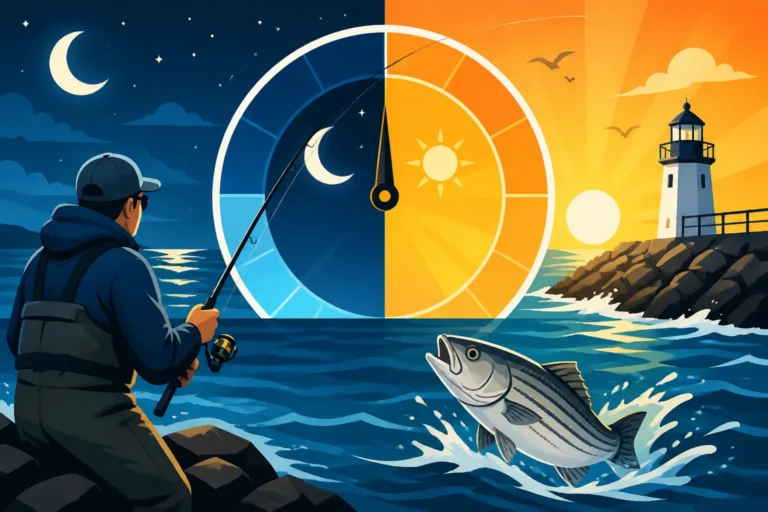
Fishing at Island Beach State Park is a year-round affair, but the experience changes dramatically with the seasons. Spring brings migrating striped bass and eager fluke, while the summer offers bluefish blitzes and a variety of smaller species. The fall run, however, is often considered the pinnacle, with massive schools of striped bass and bluefish pushing baitfish along the coast. It’s a spectacular time to be on the sand. Beyond the fish, environmental factors are huge here. Strong currents, shifting sandbars, and sudden weather changes are all part of the game. Always check the weather forecast and tide charts before heading out. Understanding How to Read Tide Charts for Better Fishing in New Jersey is crucial, as the tides dictate fish movement and safety on the beach.
Essential Access Points and Zones for Fishing
Accessing Island Beach State Park for fishing isn't as simple as driving up to a parking lot and walking onto the sand. The park has designated zones, some requiring specialized permits, to protect its delicate ecosystem and manage visitor impact. Knowing these zones and their specific rules is key to a smooth and legal fishing trip.
General Public Access Points and Foot Traffic Rules
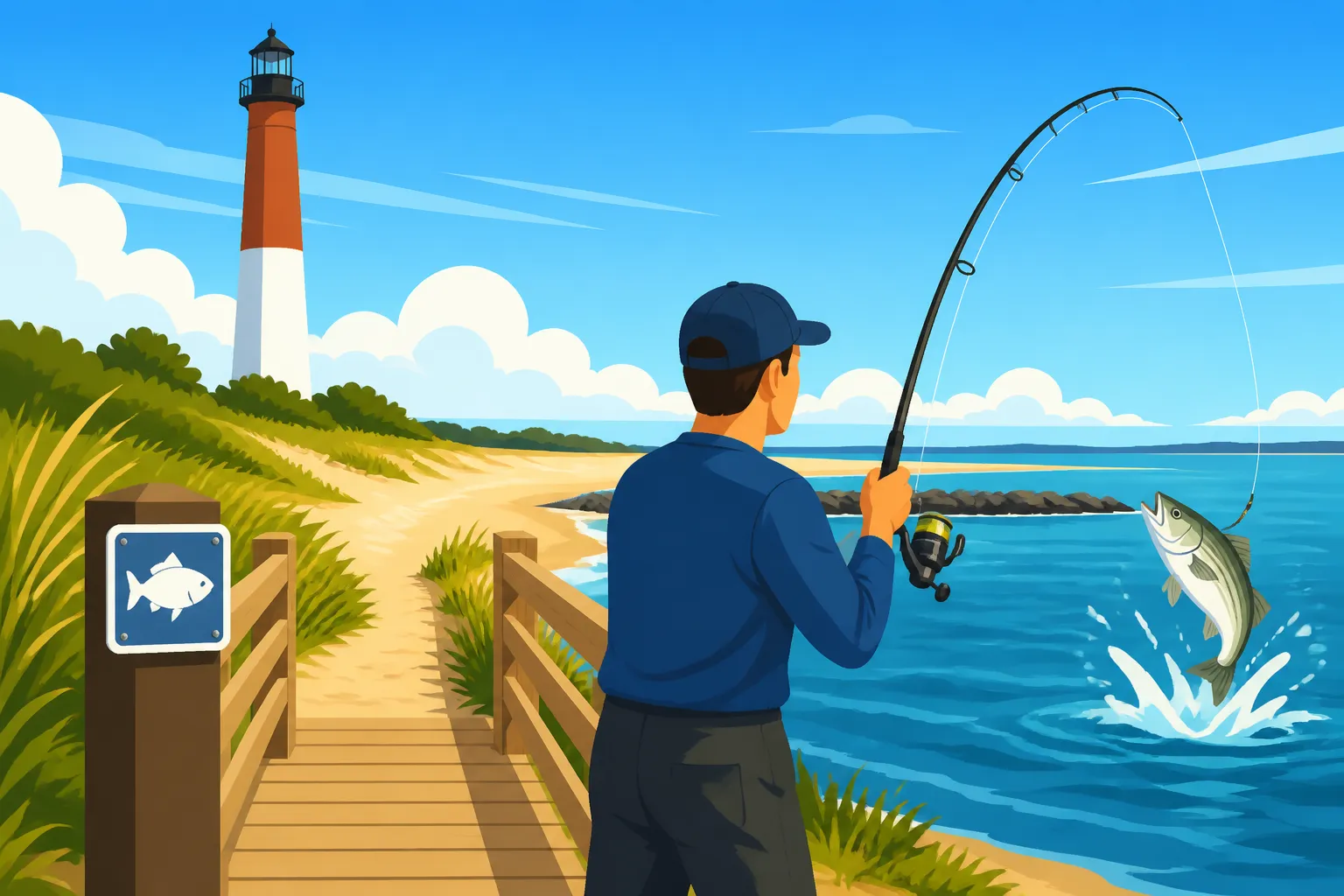
For those without a 4×4 vehicle or who prefer a leisurely stroll to their fishing spot, the Northern Access (Pavilion 1) and Southern Access (Osprey's Nest) areas offer excellent opportunities. These areas provide ample parking, restrooms, and beach access via boardwalks or designated paths. You can walk the beach for miles from these points, carrying your gear by hand or using a beach cart. Keep in mind that during peak summer months, these areas can get crowded with swimmers and sunbathers, so early morning or late evening fishing is often best for avoiding crowds and coinciding with prime feeding times for many species. Even if you're walking, you'll want to adhere to all general park regulations and observe any posted signs regarding protected dunes or bird nesting areas. These are sensitive habitats, and respecting them is part of being a responsible angler.
4×4 Vehicle Access and Permit Zones
For many dedicated surf anglers, the real allure of Island Beach State Park lies in its 4×4 vehicle access. This allows you to drive directly onto the beach, getting you and your gear to remote, productive spots with ease. However, this privilege comes with a strict permit system and rules. To drive on the beach, you'll need an Island Beach State Park Surf Fishing Permit Cost, which is typically an annual permit. These permits can be purchased from the park office and often sell out, so plan well in advance.
The park designates specific zones for 4×4 access, stretching for miles along the coastline. These zones are clearly marked, and it's imperative to stay within them. Driving on the dunes or in other restricted areas is strictly prohibited and can result in hefty fines. When driving on the sand, remember to air down your tires to around 15-20 PSI to prevent getting stuck and to minimize impact on the beach. Always carry essential recovery gear like a shovel, tow strap, and a board for traction. The ease of access that a 4×4 provides can open up vast stretches of untouched beach, allowing you to discover your own hidden gems and escape the crowds that can sometimes congregate at the more popular walk-on spots.
| Access Type | Description | Key Considerations | Typical Best Uses |
|---|---|---|---|
| Foot Access (Pavilion 1 & Osprey's Nest) | Designated parking lots with walk-on beach access via paths/boardwalks. | Easy for beginners, crowded in summer, limited gear hauling. | Casual fishing, family outings, light tackle, early morning/late evening. |
| 4×4 Vehicle Access (Permit Required) | Drive directly onto miles of designated beach, past the guarded swimming areas. | Requires annual permit, 4×4 vehicle, recovery gear, proper tire pressure. | Serious surf fishing, access to remote areas, heavier gear, overnight trips. |
Permits, Fees, and Regulations You Need to Know
Fishing at Island Beach State Park isn't just about bait and tackle; it's also about permits, fees, and understanding the local regulations. Ignoring these can quickly turn a peaceful day of fishing into a frustrating and expensive experience. It's crucial to be informed before you even pack your cooler.
Acquiring Your New Jersey Fishing License and Saltwater Registry
First and foremost, whether you're walking onto the beach or driving your 4×4, you absolutely need a valid New Jersey fishing license if you're fishing in freshwater ponds within the park. However, for the vast majority of anglers targeting saltwater species directly from the surf, you won't need a traditional New Jersey fishing license. Instead, you'll need to register with the New Jersey Saltwater Registry Program Requirements. This registry is completely free and helps the state gather crucial data on recreational saltwater fishing. It's an important program that replaced the federal registry and is essential for all saltwater anglers in New Jersey, including those fishing at Island Beach State Park. You can easily register online through the New Jersey Fish and Wildlife website. Even if you're fishing on a guided charter or party boat, it’s always wise to confirm if they handle the registry for you or if you need to do it yourself. Reputable services like those found on FishingBooker will often clarify these details, but it's ultimately your responsibility.
Understanding Island Beach State Park-Specific Permits and Rules
Beyond the statewide saltwater registry, Island Beach State Park has its own unique set of rules and permits, especially concerning vehicle access. As mentioned earlier, if you plan to drive your 4×4 directly onto the beach, you'll need an annual 4×4 Permit Requirements for Surf Fishing at Island Beach State Park. These permits are limited in number and typically go on sale in late fall or early winter for the following year. They can sell out quickly, so don't procrastinate if you want one! Without this permit, you're restricted to the walk-on access points.
In addition to the 4×4 permit, there's a daily entrance fee to the park during peak season. This fee is per vehicle, regardless of whether you have a 4×4 permit or are just parking in a lot. Off-season, fees may be reduced or waived on certain days. Always check the official NJ State Park website for the most current fee schedule and operating hours before you go. Remember that the park enforces speed limits on the beach, restricts driving on dunes, and has specific rules about where you can set up overnight (which usually requires additional permission or a specific type of permit not always available for fishing). Always keep your permit visible and be prepared for random checks by park rangers or New Jersey Conservation Police. Understanding Reading the New Jersey Fish and Wildlife Digest can also provide broader context for state regulations that may apply within the park.
Prime Species and Best Seasons to Target
Island Beach State Park is a veritable smorgasbord for anglers, offering opportunities to target a variety of desirable species throughout the year. Knowing what to expect and when can greatly improve your chances of a successful and exciting trip.
Spring and Fall: The Reign of Striped Bass
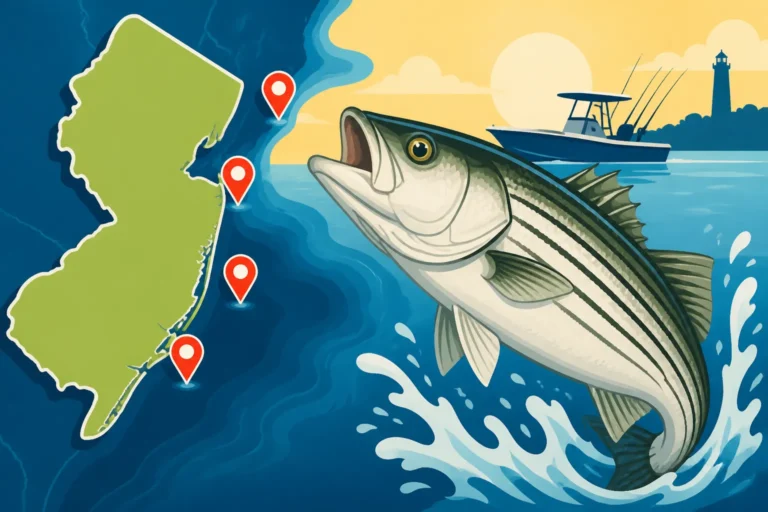
If there's one fish that defines surf fishing at Island Beach State Park, it's the striped bass. These powerful fish migrate along the New Jersey coast in large numbers during both spring and fall, making IBSP a prime location to intercept them.
Spring Migration (April to June): As water temperatures rise, striped bass move north along the coast, seeking out baitfish like bunker (Atlantic menhaden) and herring. Early spring can see smaller "schoolie" bass, but as the migration progresses, larger fish become more common. This is a fantastic time for bait fishing with fresh clam, bunker chunks, or artificial lures like shads and poppers. Anglers often focus on deeper cuts and sloughs where bass ambush bait. Remember the New Jersey Striped Bass Slot Limit Explained and always be prepared to measure your fish accurately.
Fall Run (September to December): The fall run is legendary, often bringing intense fishing action. Large schools of striped bass, sometimes mixed with bluefish, push vast quantities of baitfish — like mullet, peanut bunker, and spearing — south along the coast. This is prime time for throwing metal lures, bucktail jigs, and large swimming plugs. Don't be surprised to witness massive "blitzes" where bass and bluefish violently feed on the surface, creating an unforgettable spectacle. The key to fall fishing success is often being in the right place at the right time, watching for bird activity, and having a variety of lures ready to match the hatch.
Summer Opportunities: Fluke, Bluefish, and More
While striped bass might steal the headlines, summer at Island Beach State Park offers a diverse range of angling opportunities, making it perfect for family trips or targeting specific species.
Fluke and Summer Flounder (May to September): Once the water warms up, summer flounder (fluke) move into the shallower bay waters and the surf zone. While the bay side of IBSP can be productive for fluke, surf anglers often pick them up in the washes and sloughs. Drifting Gulp! Swimming Mullet on a bucktail jig or fishing natural baits like spearing or strip baits (cut from bunker or squid) on a high-low rig can be very effective. Remember, the New Jersey Fluke Size Limit: 18 Inches is strictly enforced, and you'll want to carefully measure your catch. Knowing New Jersey Fluke Season Dates for 2026 is also essential to ensure you're fishing legally.
Bluefish (May to October): Bluefish are known for their aggressive strikes and powerful fights. They frequent the IBSP surf throughout the warmer months, often appearing in large schools, sometimes alongside striped bass. During a bluefish blitz, almost any shiny lure or bait will get hit. Metal spoons, poppers, and even simple chunk bait can produce fierce battles. Be cautious when handling bluefish due to their razor-sharp teeth! They are voracious eaters, and their presence can often be indicated by diving birds.
Other Summer Catches: Beyond fluke and bluefish, summer surf fishing can yield kingfish, croaker, weakfish, and various species of rays and sharks. These make for fun, consistent action, especially for younger anglers or those looking for something different. Light tackle and small baits like bloodworms or shrimp are usually all you need for these species. Occasionally, a black drum or red drum might even make an appearance, adding to the excitement.
Year-Round Possibilities: Winter Flounder and Ling
Even in the colder months, dedicated anglers can find opportunities. While not as prolific as the warmer seasons, winter flounder can be targeted in the bay and even the surf during mild periods, typically from late winter into early spring before the main spring migration begins. Similarly, species like ling (red hake) and even some hearty sea bass can be caught on bait rigs fished in deeper pockets or near structure during the colder parts of the year. This requires patience and often a bit more specialized knowledge, but for those who brave the elements, a rewarding catch can be had.
Techniques and Gear for Successful IBSP Fishing
Surf fishing at Island Beach State Park is a distinct discipline, requiring specific techniques and gear to effectively tackle the powerful waves, strong currents, and diverse fish species. You can't just show up with a freshwater bass rod and expect to dominate the surf. Preparation is key!
Essential Rods, Reels, and Line Selection
For general surf fishing at IBSP, you'll want a rod that can handle heavy weights and long casts. A medium-heavy to heavy action spinning rod, typically between 9 and 11 feet long, is a good starting point. This length provides the leverage needed to cast heavier sinkers and baits beyond the breaking waves and to fight strong fish in the current. Brands like Daiwa, Penn, and Shimano offer excellent surf combos that are durable enough for saltwater conditions. Pair this with a robust spinning reel in the 6000-8000 size range, capable of holding plenty of line and sealed against saltwater intrusion.
When it comes to line, braid is often preferred for its strength-to-diameter ratio and lack of stretch, which enhances casting distance and sensitivity. A 30-50 lb test braided line is common. However, because braid is nearly invisible and can be easily cut on sharp shells or rocks, it's crucial to use a monofilament or fluorocarbon leader, typically 50-80 lb test, about 3-5 feet long. This leader provides abrasion resistance and shock absorption. Understanding What Pound Test Line for Surf Fishing is crucial for balancing casting distance with the strength needed for powerful fish.
Go-To Baits and Lures for the IBSP Surf
The most effective baits and lures at Island Beach State Park often depend on the season and target species, but having a versatile selection is always wise.
Natural Baits:
- Clam: Fresh surf clam is a universal favorite, particularly for striped bass, drum, and even some fluke. Use a clam bag or a snelled hook to keep it on.
- Bunker (Menhaden): Both fresh bunker chunks and whole frozen bunker (for larger predators) are excellent. Cut bunker pieces can be fished on a fish-finder rig.
- Bloodworms: Perfect for smaller species like kingfish, croaker, and often irresistible to striped bass in the spring.
- Fish Strips: Mackerel, squid, or even cut pieces of bluefish can be effective strip baits for fluke and bluefish.
Artificial Lures:
- Metal Lures: Long, slender metal lures (e.g., Kastmasters, Avas) are ideal for casting long distances and imitating fleeing baitfish, especially during bluefish and striped bass blitzes.
- Poppers: Topwater poppers create a commotion on the surface, often triggering aggressive strikes from bluefish and striped bass, particularly at dawn and dusk.
- Swimming Plugs: Larger swimming plugs, both shallow and deep divers, imitate baitfish and are very effective for striped bass, especially during the fall run.
- Bucktail Jigs: A classic and highly versatile lure for fluke, striped bass, and bluefish. Tip them with a Gulp! Swimming Mullet or a piece of natural bait for added appeal. Learning Bucktail Jigging Techniques for New Jersey Anglers can greatly improve your success.
- Soft Plastics: Paddle tail shads and curl-tail grubs on jig heads are excellent for imitating baitfish and can be worked effectively through the wash for striped bass and fluke.
When planning your trip, consider checking fishing reports or even hiring a local guide through a platform like FishingBooker, who can provide up-to-the-minute advice on what's biting and what tackle is working best.
Essential Surf Fishing Rigs
Choosing the right rig is paramount for effective surf fishing.
- Fish-Finder Rig: This is a staple for bait fishing. It consists of a pyramid or Sputnik sinker that slides freely on your main line, followed by a swivel, a leader (typically 18-36 inches), and a hook. This setup allows the fish to take the bait without feeling the weight of the sinker, increasing your hook-up ratio. It's excellent for fishing clam, bunker, or any natural bait.
- High-Low Rig (Pompano Rig): Featuring two or more snelled hooks spaced above a sinker, this rig allows you to present multiple baits at different depths. It's particularly effective for kingfish, croaker, and smaller bottom species, as well as fluke. You can tip the hooks with bloodworms, clam, or shrimp.
- Bucktail Jig + Teaser Rig: While a bucktail jig can be fished alone, adding a teaser (a small plastic grub or fly tied a foot or so above the jig) can significantly increase your strike rate. The teaser mimics a smaller baitfish following a larger one, enticing strikes from both fluke and striped bass. This setup is a fantastic choice for targeting summer flounder, and understanding How to Tie a Fluke Rig is a great skill to have.
Always remember to bring plenty of sinkers, as the strong currents and snags at IBSP can claim a few throughout your session. Pyramid or Sputnik sinkers are generally preferred as they dig into the sand better than egg or bank sinkers, holding your bait in place more effectively.
Safety and Conservation Practices for IBSP Anglers
Island Beach State Park is a wild and beautiful place, and with that comes a responsibility to both yourself and the environment. Practicing smart safety measures and adhering to conservation ethics ensures a great experience for everyone and preserves this natural gem for future generations.
Staying Safe on the Surf and Sand
The ocean can be unforgiving, and surf fishing at Island Beach State Park requires a keen awareness of your surroundings.
Understanding Rip Currents: One of the most significant dangers on any ocean beach is rip currents. These powerful, narrow channels of water flow away from the shore, and can quickly pull even strong swimmers out to sea. Look for breaks in the incoming wave pattern, churning water, or lines of foam extending seaward – these are visual cues of a rip. If caught in one, remain calm, don't fight the current directly. Instead, swim parallel to the shore until you're out of the current, then swim back to the beach. Knowing How to Read a Rip Current for Safer Surf Fishing is not just good practice, it could save your life.
Tides and Weather: Always consult a tide chart before you go. A rising tide can quickly cut off access points or surround sandbars, potentially stranding you. Conversely, a falling tide can expose new fishing grounds. Sudden weather changes, particularly thunderstorms, can develop quickly along the coast. Always monitor the forecast and be prepared to pack up and leave if conditions deteriorate. Strong winds can also make casting difficult and create dangerous conditions.
Driving on the Beach: If you're utilizing 4×4 access, never drive above the high tide line, and be mindful of other vehicles, pedestrians, and wildlife. Soft sand patches can appear suddenly, so maintain a steady speed and know how to recover if you get stuck. Always have a fully charged phone for emergencies, even though cell service can be spotty in some remote sections of the park. It’s also a good idea to let someone know your plans and expected return time, especially if fishing alone.
Responsible Angling and Environmental Stewardship
As custodians of this incredible natural resource, anglers have a vital role in its preservation.
Leave No Trace: This is perhaps the most fundamental rule. Whatever you bring onto the beach, take it back out with you. This includes discarded fishing line, bait containers, food wrappers, and especially plastic items. Ghost fishing gear (lost or abandoned lines, nets, and traps) is a serious threat to marine life, so be diligent in preventing snags and recovering any lost tackle. A small trash bag attached to your cooler or tackle bag is a simple way to manage your waste.
Know and Abide by Regulations: Always be aware of current New Jersey Fishing Season Dates and Closures, bag limits, and size limits for all species you might encounter. These regulations are in place to protect fish populations and ensure sustainable fishing for the future. Ignorance is not an excuse, and violating regulations can result in significant fines and penalties. Carry a copy of the New Jersey Fish and Wildlife Digest (or have the digital version on your phone) for quick reference. When fishing at IBSP, you're fishing in a state park dedicated to conservation, so adherence to all rules is paramount.
Proper Handling of Fish: For fish you intend to keep, dispatch them quickly and humanely. For fish you plan to release, handle them with care to maximize their survival chances. Minimize their time out of water, use wet hands when handling, and avoid touching their gills or eyes. If you’re targeting striped bass with bait, remember that New Jersey Circle Hook Requirements for Bait Fishing are often in effect to reduce gut-hooking, so make sure you're using the correct hooks. Utilizing a robust net or lip gripper can aid in safe handling, especially for larger, toothy fish. By being thoughtful and responsible, we ensure that Island Beach State Park remains a productive and beautiful place for all who visit, including future generations of anglers.
Disclaimer
The information provided in this guide is for general informational purposes only and is subject to change. Fishing regulations, park rules, and fees can be updated by the New Jersey Department of Environmental Protection and Island Beach State Park management. Always consult the official New Jersey Fish and Wildlife Digest and the Island Beach State Park website for the most current and accurate information before planning your trip. Fishing inherently involves risks, and adherence to safety guidelines is the sole responsibility of the individual.