Best Time to Fly Fish New Jersey’s Trout Streams
It can be incredibly frustrating to hit your favorite New Jersey trout stream, only to find the fish aren't biting, leaving you wondering if you missed the prime window. The truth is, timing is everything when it comes to fly fishing, and understanding the subtle shifts in seasons, daily conditions, and even specific hatches can dramatically improve your success. This comprehensive guide will break down the best times to fly fish New Jersey's trout streams, helping you maximize your time on the water.
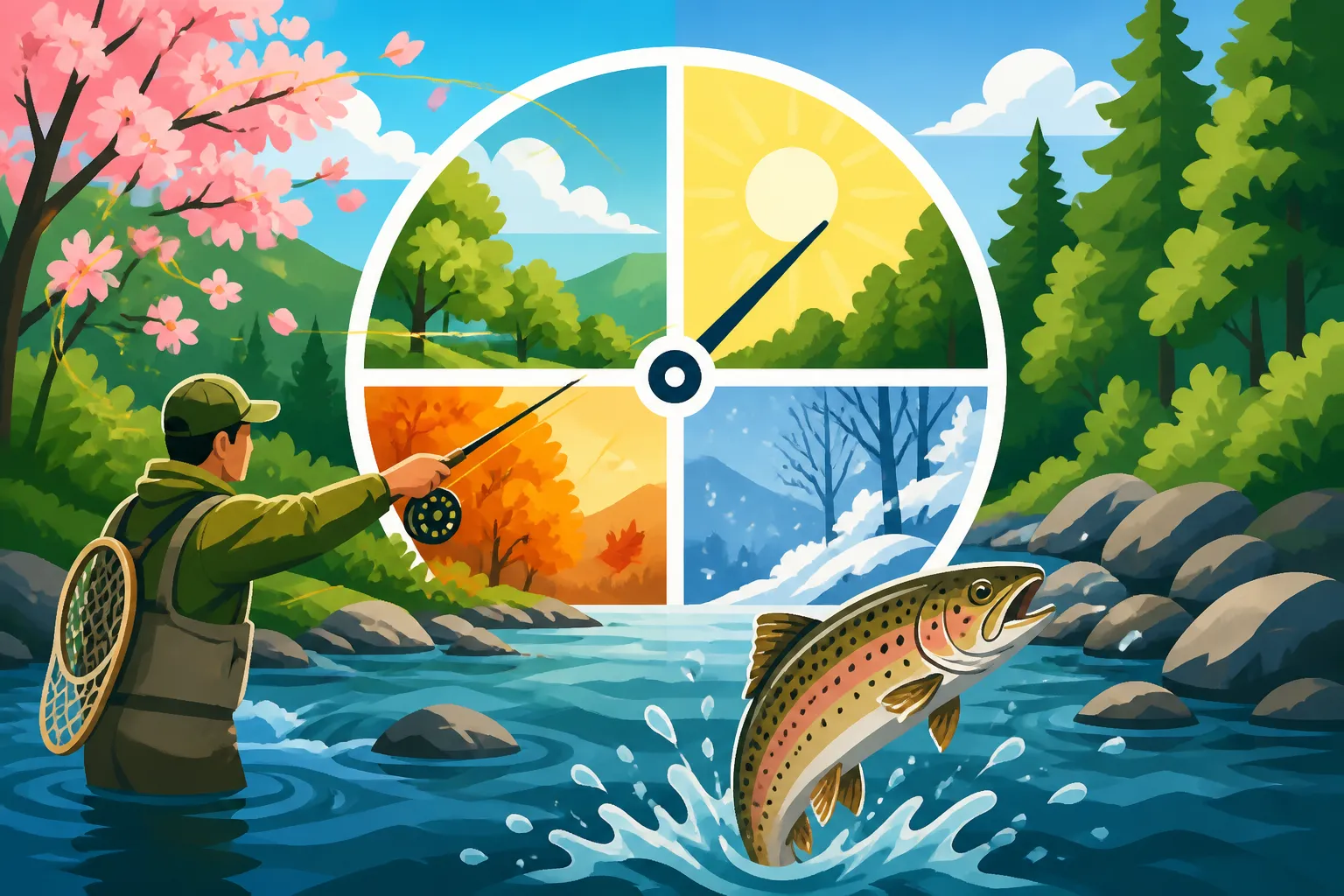
Understanding New Jersey's Trout Stream Seasons
New Jersey's trout streams offer distinct opportunities for fly anglers throughout the year, each season presenting its own set of challenges and rewards. Knowing what to expect as the year progresses is crucial for planning successful outings. The state's diverse geography, from the cool, spring-fed streams of the Highlands to the broader, slower flows of the southern regions, means that while general seasonal patterns hold true, local variations always exist.
The Electric Energy of Spring (March-May)
Spring is arguably the most anticipated time for fly anglers in New Jersey, heralded by the annual trout stocking program. Once the rivers and streams open after the New Jersey Trout Season Preseason Closure Explained, the fishing can be nothing short of phenomenal. The melting snows and spring rains swell the rivers, bringing fresh nutrients and activating insect life. This period is marked by aggressive feeding from trout, eager to replenish energy after a long winter. Early spring, particularly, sees cold, clear waters perfect for nymphing, while later in the season, prolific hatches can lead to incredible dry fly action. You'll find many anglers eager to put their New Jersey Trout Fishing Techniques to the test during these vibrant months.
As the water temperatures begin to rise from their frigid winter lows, trout become more active and willing to chase down flies. This is especially true for the stocked rainbow and brown trout, which are often less wary than their wild counterparts. The period immediately following a stocking event, which often starts around the New Jersey Spring Trout Stocking Start Date, can be a particularly productive time. Fish are less selective, and a wide array of patterns can elicit strikes. However, as the season progresses and fish become accustomed to angling pressure, they grow more selective, requiring a more nuanced approach.
The Challenging Beauty of Summer (June-August)
When summer arrives, many fly anglers in New Jersey shift their focus from trout to other species, or head to the coast. However, for those who know where to look and how to adapt, summer can still offer rewarding trout fishing. The biggest challenge in summer is rising water temperatures, which reduce oxygen levels and stress trout, pushing them into cooler, deeper pockets of water or into spring-fed tributaries. This often means targeting fish during cooler parts of the day, such as early mornings or late evenings. Stealth and precise presentations become paramount, as trout are more easily spooked in lower, clearer summer flows.
Finding the right water is key during the warmer months. Focus on streams with a strong groundwater influence, headwater sections, or areas with dense canopy cover that provides shade and keeps water temperatures down. While hatches can be sparser, terrestrial patterns like beetles, ants, and grasshoppers become incredibly effective as insects fall from streamside vegetation. Smallmouth bass also become a popular target on some of New Jersey's larger trout rivers during this time, offering a different but equally engaging fly fishing experience. Always carry a thermometer to check water temperatures; if they climb above 68°F (20°C), it's often best to leave trout alone to avoid undue stress.
The Golden Opportunities of Fall (September-November)
Fall is a hidden gem for fly fishing in New Jersey, often overlooked in the rush for the saltwater fall run. As air and water temperatures begin to cool, trout become invigorated once again. The vibrant autumn foliage provides a stunning backdrop, and the crowds typically thin out, offering a more peaceful angling experience. This season sees another round of stocking, known as the New Jersey Fall Trout Stocking Dates, which brings fresh fish into the system, though these fish can be more cautious than their spring counterparts due to prior exposure.
The true magic of fall, however, lies in the brown trout spawn. As male brown trout develop their kypes (hooked jaws) and brilliant colors, they become incredibly aggressive, protecting their redds (spawning beds). While it's crucial to avoid disturbing spawning fish and their redds, these territorial instincts can make them more willing to strike at streamers or large nymphs. Hatches of Blue-Winged Olives and October Caddis can provide excellent dry fly fishing opportunities, especially on overcast days. The key to fall success is often patience and a willingness to explore different sections of the stream.
Winter's Hidden Gems (December-February)
Winter fly fishing in New Jersey's trout streams is not for the faint of heart, but it can be incredibly rewarding for the dedicated angler. Cold temperatures, ice, and slower metabolism mean trout are less active and less willing to move far for a meal. However, they still need to eat. Success in winter often hinges on targeting specific holding water—deeper pools, slow runs, and areas with submerged structure that offer refuge from strong currents and frigid temperatures. Presentation is critical; slow, deliberate drifts with nymphs or small streamers are usually the most effective.
While hatches are minimal, tiny midges can sometimes emerge, offering brief periods of surface activity on milder days. Otherwise, subsurface techniques dominate. Small, heavily weighted nymphs presented on fine tippet are the bread and butter of winter fly fishing. Proper layering of clothing is essential, and safety precautions related to cold weather and ice are paramount. While the numbers of fish caught might be lower, the solitude and the challenge of fooling a winter trout make it a truly special experience. Remember to keep an eye on water temperatures and avoid fishing when streams are locked up with ice, unless you are ice fishing specific lakes where it is safe and legal to do so, like some designated Trout Stocked Lakes Stay Open During New Jersey's Preseason Closure.
| Season | Best Time of Day | Primary Techniques | Recommended Flies | Special Considerations |
|---|---|---|---|---|
| Spring | Morning & Late Afternoon | Nymphing, Dry Fly, Streamer | Caddis, Hendrickson, Blue-Winged Olive, Woolly Bugger, San Juan Worm | Post-stocking frenzy, rising water levels, variable weather |
| Summer | Early Morning & Late Evening | Terrestrials, Small Nymphs, Light Streamers | Ant, Beetle, Grasshopper, Pheasant Tail, Prince Nymph, Sculpin | Seek cold water, low and clear streams, stealth is key |
| Fall | Mid-morning & Afternoon | Nymphing, Dry Fly, Streamer | Blue-Winged Olive, October Caddis, Cranefly, Egg Patterns, Zonker | Brown trout spawn, crisp air, vibrant foliage, reduced crowds |
| Winter | Midday (Warmest Part) | Nymphing, Midge Fishing | Small Midges, Zebra Midge, Copper John, Squirmy Worm | Slow presentations, fine tippet, deeper holding water, cold weather gear |
Decoding Daily Conditions for Optimal Fly Fishing
Beyond the broad strokes of the seasons, the daily conditions on the water can make or break your fly fishing trip. Being able to read the river and adapt to the immediate environment is a hallmark of an experienced angler. Don't just show up and cast; observe, interpret, and adjust.
The Magic Hours: Dawn and Dusk
Just like in many other forms of fishing, dawn and dusk, often referred to as the "magic hours," tend to be the most productive times for fly fishing New Jersey's trout streams. During these periods, light levels are low, providing a sense of security for trout, making them more willing to venture out from cover to feed. Water temperatures are also typically at their coolest in the early morning and gradually drop again in the evening, which is especially important during the warmer months.
Predatory fish, including trout, often become most active during these transitional times. This is when you're most likely to encounter significant insect hatches, triggering explosive rises to dry flies. Caddisflies and mayflies often emerge en masse during these low-light periods. Furthermore, trout, particularly larger, more wary specimens, feel less exposed to overhead predators, increasing their willingness to take a presented fly. Setting an alarm and getting on the water before sunrise, or sticking around until after sunset, can yield some of the most memorable catches.
Midday Strategies and When to Avoid It
While dawn and dusk are often prime, midday can still be productive, especially during cooler seasons like spring and fall. In early spring, when water temperatures are still quite cold, the midday sun can actually warm the water enough to stimulate insect activity and trout feeding. During these times, focus on deeper pools or shaded areas where fish might be holding. If surface activity is present, it's often more sporadic, but precise dry fly presentations can still entice a strike.
However, during summer, midday hours are generally the least productive and potentially harmful for trout. High sun and warm water temperatures will push trout into deep, shaded, oxygen-rich pockets. Actively pursuing them during these stressful conditions can lead to increased mortality, even if they are released. If you must fish midday in summer, seek out colder, spring-fed sections or high-elevation streams. Otherwise, use this time to scout new areas, grab some lunch, or tie flies, returning to the water when conditions improve.
The Impact of Weather: Clouds, Rain, and Barometric Pressure
Weather plays a significant role in trout behavior. Overcast days are generally a fly angler's best friend. The reduced light penetration makes trout feel safer and less prone to spooking, often leading to more consistent feeding throughout the day. Cloud cover can also moderate water temperatures, preventing them from rising too quickly in summer or dropping too fast in winter. This extended feeding window often means more opportunities for both subsurface and surface action.
Light, steady rain can also be excellent for fly fishing. Rain washes terrestrial insects into the stream, provides natural cover from overhead predators, and can even slightly decrease water clarity, making trout less wary. However, heavy downpours can quickly blow out streams, turning them into muddy torrents that are unfishable for a day or two. After a heavy rain, waiting for the water to drop and clear—often referred to as the "post-rain bite"—can be incredibly productive as fish take advantage of dislodged food items. Understanding How Barometric Pressure Affects Fishing can also give you an edge; stable or falling pressure often signals increased feeding activity, while rapidly rising pressure can shut fish down.
Species-Specific Timing for New Jersey's Trout
New Jersey is home to three main types of trout: Rainbow, Brown, and Brook Trout. While they all fall under the "trout" umbrella, each species has its own preferences and behaviors that influence the best times and methods to target them with a fly rod. Knowing these nuances can help you tailor your approach for greater success.
Targeting Rainbow Trout: The Energetic Fighters
Rainbow trout are the most common species stocked in New Jersey's streams and are generally the most accessible for fly anglers, especially during the spring and fall stocking periods. These fish are known for their strong fighting ability and their willingness to strike a variety of flies. When fresh from the hatchery, rainbows are often less selective and will readily take nymphs, streamers, and even dry flies if presented well. This makes them a fantastic target for those just learning How to Fly Fish for Trout in New Jersey Streams.
The best time to target rainbow trout is generally from early spring through late spring, and again in the fall. During these seasons, water temperatures are optimal, and their metabolism is high, driving them to feed actively. Post-stocking, look for them in slower runs, pools, and current seams where food items drift by. As they acclimate and become more wary, focus on matching the prevalent insect hatches. Midday can even be productive for rainbows on cooler, overcast spring or fall days.
Brown Trout: The Wary, Rewardable Prize
Brown trout are often considered the most challenging and rewarding trout to catch on a fly rod in New Jersey. They are typically more cautious, selective, and territorial than rainbows, especially the wilder specimens. Many anglers chase the What Is the Difference Between Rainbow and Brown Trout? question, and part of it comes down to behavior. Brown trout are known for their nocturnal feeding habits, making them excellent targets during low-light conditions at dawn, dusk, and even after dark, particularly for larger fish. They prefer holding in deeper, more complex cover such as undercut banks, logjams, and large rocks.
The peak seasons for brown trout are typically spring and fall. In spring, they are active after the initial cold shock, and in fall, their aggressive spawning behaviors make them more willing to strike. Large streamers that imitate baitfish or mice can be incredibly effective during these times, especially for trophy-sized browns. During summer, finding brown trout requires seeking out the coldest, most oxygenated water in a stream. They often become extremely wary then, requiring meticulous presentations of small, subtle nymphs or terrestrials.
Pursuing Native Brook Trout: A True New Jersey Treasure
Native brook trout, New Jersey's official state fish, are a true jewel of the state's coldwater ecosystems. These beautiful, colorful fish thrive only in the purest, coldest, and most pristine headwater streams, often found in remote, high-gradient sections. Catching a native brook trout on a fly rod is a unique and deeply satisfying experience, but it requires a specific approach. They are generally much smaller than stocked rainbows or browns, but their feisty nature makes them a joy to catch.
The best time to pursue native brook trout is typically from late spring through early summer, and then again in the fall, when water temperatures are cool but not frigid, and insect activity is present. Due to their preference for small, remote streams, stealth is absolutely crucial. These fish are incredibly sensitive to disturbance. Light tackle, short casts, and delicate presentations of small dry flies, nymphs, or even tiny streamers are usually most effective. Given their fragile habitats, catch-and-release practices are strongly encouraged, often with barbless hooks, to ensure the continued health of these precious populations.
Key Environmental Factors Influencing Bite Times
Beyond the calendar, a truly skilled fly angler pays close attention to the subtle cues the environment provides. These natural indicators often dictate when and where trout will feed, regardless of the season or time of day. Ignoring them is like trying to navigate without a compass.
Water Temperature: The Unseen Trigger
Water temperature is arguably the most critical factor influencing trout activity. Trout are cold-blooded, and their metabolism is directly linked to the water temperature. There's a "sweet spot" where trout are most active and comfortable: generally between 45°F and 65°F (7°C-18°C). Below 45°F, trout become sluggish, moving slowly and only feeding opportunistically. Above 65°F, they start to become stressed, seeking cooler water and often ceasing to feed actively. As temperatures climb towards 70°F or higher, trout can become critically stressed, and it's best to avoid fishing for them entirely.
Carrying a small, accurate stream thermometer, easily found on Amazon or local fly shops, is invaluable. In early spring, look for the water temperature to reach that 45-50°F range for increased activity. In summer, you'll be actively searching for areas where temperatures remain below 65°F. Knowing the Best Water Temperature for Trout Fishing can guide your daily strategy, telling you whether to focus on fast riffles, deep pools, or spring-fed tributaries.
Water Levels and Clarity: Reading the Stream
Stream flow and clarity are dynamic variables that change constantly, often significantly impacting fishing conditions. Ideal conditions usually involve moderate, stable flows with a slight stain or tint to the water. This moderate flow provides good oxygenation and food delivery without making it difficult for trout to hold positions or for anglers to present flies. The slight discoloration offers a degree of camouflage for the trout, making them less wary.
High, fast, and muddy water, often a result of heavy rainfall or rapid snowmelt, can make fishing very challenging. Trout will retreat to the edges and slower pockets, and their visibility will be severely limited. Conversely, extremely low and clear water, common during summer droughts, also presents challenges. Trout become incredibly spooky, requiring long leaders, fine tippets, and extremely stealthy approaches. In these conditions, understanding Nymphing Techniques for Trout Streams and being able to make delicate casts are paramount. It’s a constant dance of observation and adaptation.
Understanding Insect Hatches: Matching the Menu
For many fly anglers, the holy grail of trout fishing is "matching the hatch"—identifying the insects emerging from the water and presenting a fly pattern that closely imitates them. Insect hatches are largely driven by water temperature and light conditions, and they can vary dramatically by season and even by the hour. Spring is famous for hatches of Quill Gordon, Hendrickson, and Caddisflies, offering incredible dry fly opportunities. Summer sees more terrestrials and caddis, while fall is known for Blue-Winged Olives and October Caddis.
Knowing what bugs are likely to be hatching, or at least carrying a diverse selection of flies to cover various possibilities, is crucial. If you see trout rising steadily, they're likely feeding on emerging or adult insects, and a well-presented dry fly can be irresistible. If there's no surface activity, trout are most likely feeding on nymphs or larvae beneath the surface. For spring, a good starting point for fly selection can be found in a guide like Fly Selection for Trout Streams in Spring. Paying attention to what fish are actually eating is a skill developed over time, but it’s one that will drastically improve your success.
Essential Gear and Preparations for All Seasons
Having the right gear and preparing adequately for your fly fishing trip is just as important as knowing when and where to go. New Jersey's streams can be varied, from wide-open stretches to tight, overgrown pockets, and being equipped for anything will make your experience much more enjoyable and productive. You can find many of these essentials easily on Amazon.
Rods, Reels, and Lines for New Jersey Streams
For most of New Jersey's trout streams, a moderate-action 7 to 9-foot, 3 to 5-weight fly rod is the sweet spot. A 4-weight is often considered the most versatile, capable of handling small dry flies and delicate presentations, yet still having enough backbone to fight a decent-sized trout or throw a medium-sized streamer. For smaller, brushy headwater streams, a shorter rod (6.5-7.5 feet) can be advantageous for navigating tight casting quarters. Conversely, if you're targeting larger brown trout with streamers on bigger rivers, a 6-weight might be a better choice.
Pair your rod with a matching reel that balances it well and has a smooth drag system. While many trout don't "run" far, a good drag is essential for protecting fine tippets. A weight-forward floating line is the standard for most trout fishing scenarios, providing good all-around performance for dry flies, nymphs, and light streamers. For deep nymphing or when fishing large streamers, a sinking tip or full sinking line might be considered, but for general purposes, a floating line is the most versatile option. Don't forget a tapered leader and various spools of fluorocarbon or monofilament tippet in sizes ranging from 3X to 6X.
Fly Selection: What to Carry Year-Round
A well-stocked fly box is an angler's treasure chest. While specific hatches dictate the best flies, a core collection of versatile patterns will serve you well year-round on New Jersey's trout streams. For nymphs, essential patterns include the Pheasant Tail, Hare's Ear, Prince Nymph, Copper John, and Zebra Midge in various sizes (from #12 down to #20). Having some brightly colored "attractor" nymphs like a San Juan Worm or Squirmy Worm can also be incredibly effective, especially for freshly stocked trout, and you can learn more about these in guides about Best Bait for Opening Day Trout.
For dry flies, carry a selection of general attractor patterns like Elk Hair Caddis, Adams, and Parachute Adams in sizes #12-18. Include some specific mayfly and caddisfly imitations relevant to common hatches in New Jersey, such as Blue-Winged Olives and Sulphurs. Don't forget terrestrials (Ants, Beetles, Grasshoppers) for summer. Streamers like Woolly Buggers (black, olive, brown) and Sculpin imitations in sizes #6-12 are essential for imitating baitfish and triggering aggressive strikes from larger trout. Having a fly box organized by type and size, perhaps one bought from Amazon, makes on-stream selection much easier.
Wading Safety and Stream Access
Safety should always be your top priority when fly fishing. New Jersey's trout streams can have rocky bottoms, slippery banks, and varying depths and currents. Proper wading gear is non-negotiable. Breathable waders, paired with wading boots that offer excellent ankle support and felt or rubber soles (often with studs for extra grip), are crucial for navigating uneven terrain and cold water. A wading staff, especially on unfamiliar or faster-moving water, can provide essential stability and help you probe depths before stepping. A detailed guide on How to Wade Fish New Jersey's Rocky Trout Streams Safely can offer invaluable tips.
Always inform someone of your fishing plans and expected return time. Carry a small first-aid kit, a headlamp (for those magic hours), and plenty of water and snacks. Be mindful of private property signs and respect landowners' rights; always ensure you have legal access to the stream. Many public access points are available through state parks, forests, and Wildlife Management Areas, but confirming access beforehand will prevent disappointment. Lastly, obtaining the necessary New Jersey Trout Stamp Requirements Explained and a valid fishing license is not just legal, it's essential for funding the conservation efforts that keep these streams healthy.
Localized Insights and Popular New Jersey Streams
New Jersey might be a small state, but its trout fishing opportunities are surprisingly diverse. From the rugged mountains in the north to the more gentle streams of the central and southern regions, each area offers unique characteristics and challenges for the fly angler. Knowing some of the prime locations can help you narrow down your options and find water that suits your preferences.
Northern New Jersey's Prime Trout Waters
Northern New Jersey, particularly the Highlands region, is a hotspot for trout fishing, boasting numerous cold, clear, and oxygenated streams that are ideal for trout. Rivers like the Musconetcong, Pequest, and Paulins Kill are legendary among New Jersey fly anglers. The Musconetcong River, for instance, is a designated "Trophy Trout Stream" in some sections, meaning it receives larger than average trout stockings and has special regulations designed to produce bigger fish. These rivers offer a mix of riffles, runs, and pools, providing varied conditions for different fly fishing techniques.
The Pequest River, especially its "Natural Trout Fishing Area," offers a fantastic experience for those seeking a more wild feel, even with stocked fish. It's carefully managed to provide a healthy environment for trout, often rewarding anglers with challenging but satisfying catches. Further north, streams like the Flatbrook and sections of the Wallkill River also provide excellent opportunities, often in more remote and picturesque settings. These northern streams typically retain colder temperatures longer into the summer, making them more resilient during warmer periods. Many local fly shops in towns like Hackettstown or Clinton can offer up-to-the-minute reports on hatches and conditions for these prime waters.
Central and Southern New Jersey Opportunities
While northern New Jersey gets much of the attention for trout, the central and even some southern parts of the state offer surprisingly good opportunities, particularly for stocked trout. Rivers such as the South Branch Raritan and the Manasquan River are incredibly popular and heavily stocked. The South Branch Raritan, in particular, is a diverse fishery, offering both excellent stocked trout fishing and smallmouth bass in its lower reaches. Its proximity to more populated areas makes it a convenient option for many anglers, though it also means it can see heavier fishing pressure.
Further south, the state's trout streams become less frequent, often shallower, and more susceptible to summer warming. However, dedicated programs ensure that lakes and larger ponds, like those found within state parks or Wildlife Management Areas, receive regular trout stockings, often providing easily accessible fishing. While these don't typically offer the classic "stream" fly fishing experience, they can be excellent for beginners or families, often allowing for easier casting from shore. Some unique spring-fed streams might also hold trout year-round, but these are often smaller, harder to find, and require a more exploratory approach. Always check the New Jersey Fish and Wildlife Digest for the latest stocking schedules and specific regulations for any body of water you plan to fish.
Disclaimer
Disclaimer: Fishing conditions and regulations in New Jersey can change frequently. Always consult the latest New Jersey Fish and Wildlife Digest or visit the official NJDEP Fish & Wildlife website before heading out on the water to ensure you are aware of current rules, seasons, and any advisories. This guide is for informational purposes only and does not constitute legal advice or an exhaustive list of all regulations.