How to Fish Chartreuse Shad Lures for Striped Bass
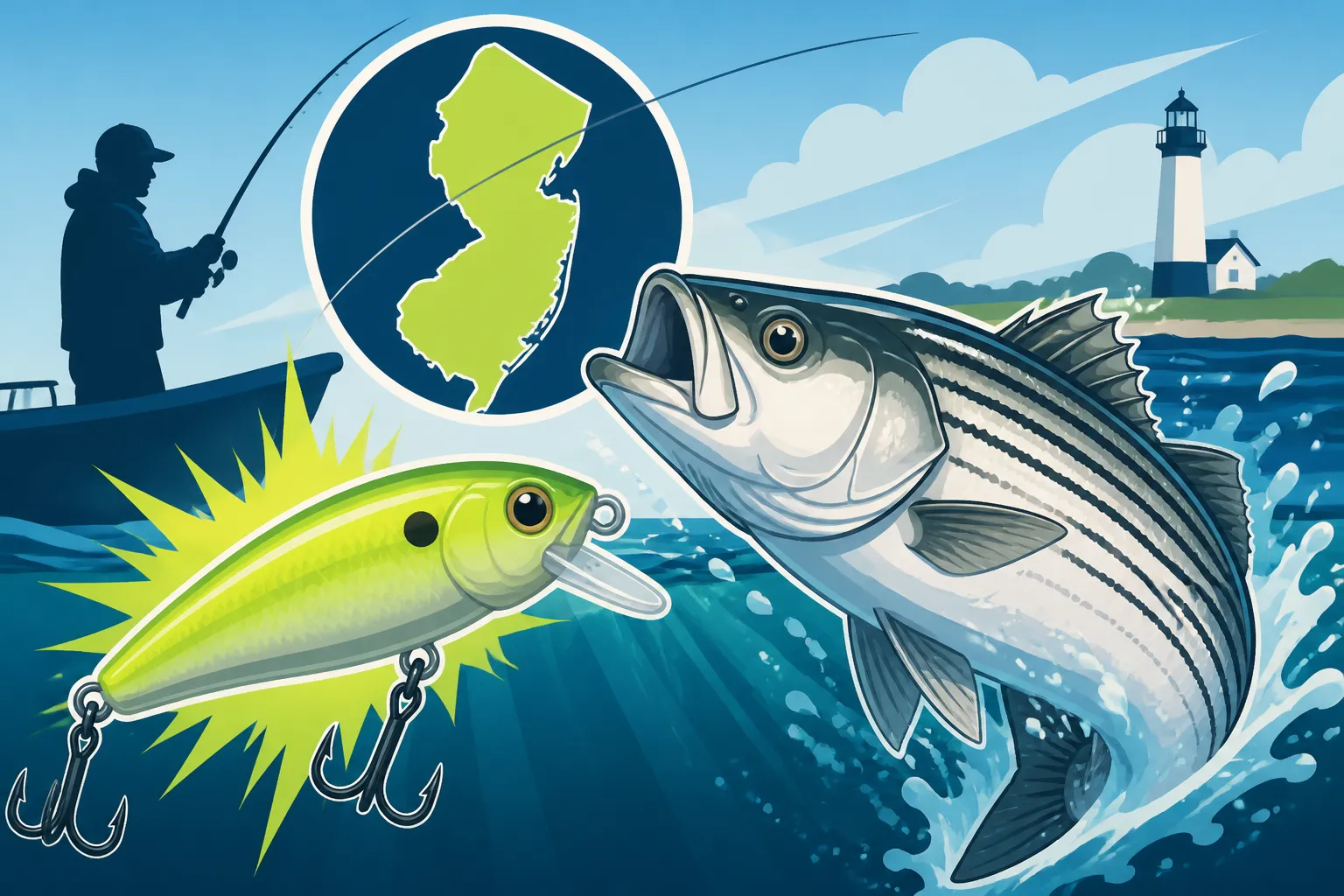
It can be incredibly frustrating to hit the water, especially in the bustling striper grounds of New Jersey, only to find the fish tight-lipped and ignoring every lure you throw. Many of us have been there, casting till our arms ache with no reward. But what if there was one lure color, one specific type of presentation, that consistently stood out when the striped bass are being picky or the conditions aren't ideal? This guide is going to deep dive into exactly that: how to effectively fish chartreuse shad lures for striped bass in New Jersey, giving you the edge you need to turn those slow days into successful ones.
Why Chartreuse Shad Lures Are Striped Bass Magnets in New Jersey
Chartreuse is one of those colors that just seems to work, almost defying logic at times. While it might not always mimic natural bait exactly, its effectiveness for striped bass, especially in the diverse waters of New Jersey, is undeniable. There’s a reason why so many experienced anglers keep a healthy stock of chartreuse in their tackle boxes.
The Allure of Chartreuse
Let's be honest, chartreuse is a loud color. It’s vibrant, almost neon, and it screams for attention. This isn't always a bad thing when you're trying to fool a wary striped bass. In New Jersey's varied fishing environments, from the murky back bays to the churning surf, water clarity can change dramatically. Sometimes, the water is a little stirred up, maybe after a good rain or during strong tides, and that's precisely when chartreuse shines. Its high visibility allows it to stand out in stained or turbid water where more natural colors might disappear. It reflects available light incredibly well, creating a powerful silhouette and a flash that fish can pick up even in low-light conditions, like dawn, dusk, or heavily overcast days. Think of it as a beacon in the water, signaling "meal here!" when other, more subtle messages go unnoticed. How Many Fishing Rods Can You Use at Once in New Jersey?
Mimicking Natural Bait, with a Twist
While chartreuse might not be the exact color of a live bunker or a herring, shad-shaped lures themselves are fantastic imitations of the primary baitfish that striped bass feed on along the New Jersey coast. These lures are designed to replicate the profile, swimming action, and vibrations of prevalent forage like Atlantic menhaden (bunker), herring, and even smaller mullet or spearing. The chartreuse color simply adds an additional "trigger" to this already effective shape. It’s not about perfect mimicry, but about appealing to a striper's predatory instincts. When a striped bass sees that familiar baitfish shape, combined with an eye-catching, almost aggressive color, it can often provoke a reaction strike, even if the fish isn't actively feeding. It's like putting a bright wrapper on a familiar treat – it just makes it more enticing.
Versatility in Presentation
One of the greatest advantages of chartreuse shad lures is their incredible versatility. Whether you're fishing from the beach, a jetty, a boat, or even a kayak, these lures can be adapted to almost any situation. You can cast them a country mile and retrieve them steadily through the surf, mimicking a fleeing baitfish. You can jig them vertically under the boat in deeper water, making them appear like struggling prey. Or, you can work them with a slow, twitching retrieve along the bottom in a back bay, fooling a striper into thinking it's an easy meal. This adaptability means you don't need to constantly change lures as conditions or locations shift. You can stick with a proven winner and adjust your technique instead, which is a huge confidence booster when you're trying to dial into a bite. This is also why many anglers keep a diverse range of sizes and weights on hand, easily found through online retailers like Amazon, to match varying conditions.
Mastering the Technique: Fishing Chartreuse Shad Lures in New Jersey
Having the right lure is only half the battle; knowing how to use it effectively is what truly makes a difference. Striped bass can be cunning, and varying your approach with chartreuse shad lures can unlock bites when others are striking out.
Gear Up Right for the Fight
To effectively fish chartreuse shad lures for striped bass, you need a setup that can handle the powerful strikes and runs of these impressive fish, especially in New Jersey's coastal waters.
Rod: For most inshore and surf fishing scenarios, a medium-heavy to heavy action spinning rod, typically in the 7 to 10-foot range, is ideal. This length provides the casting distance needed to reach distant blitzes or outer sandbars in the surf, and the backbone to fight larger fish. For boat fishing or jigging in deeper water, a shorter, more powerful 6 to 7-foot rod might be preferred for better control.
Reel: Pair your rod with a robust spinning reel in the 4000 to 6000 size range. It needs a smooth drag system, which is paramount for preventing line breaks during those initial powerful runs, and good line capacity to handle long casts and strong fish. Brands like Penn, Shimano, and Daiwa offer excellent options that are widely available, including on marketplaces like Amazon.
Line: Braided line is almost always the way to go for striped bass fishing with artificials. A 20 to 40-pound test braided line offers superior casting distance due to its thinner diameter, incredible sensitivity to feel even the most subtle bites, and minimal stretch for solid hook sets. Top it off with a fluorocarbon leader, typically 30 to 50-pound test and 2-4 feet long. Fluorocarbon is nearly invisible in the water, which can be crucial for wary stripers, and it's highly abrasion-resistant against sharp gill plates or oyster beds. What Pound Test Line for Surf Fishing
Reading the Water for Striper Success
Striped bass are creatures of current and structure. Understanding where they might be holding based on water conditions is key to presenting your chartreuse shad lure effectively.
Tides and Currents: Pay close attention to the tides in New Jersey. Moving water is often fishing water. A strong outgoing tide can flush bait out of bays and inlets, concentrating stripers at pinch points. Incoming tides can push bait into estuaries, scattering fish, but also bringing them closer to shorelines and structure. Look for rips, eddies, and current seams – these are ambush points where stripers will lie in wait for baitfish to be swept past them. Fishing your chartreuse shad lure into or across these currents, allowing it to drift naturally for a moment before retrieving, can be deadly. How to Read Tide Charts for Better Fishing in New Jersey
Structure: Striped bass love structure. This includes jetties, rock piles, bridge pilings, submerged wrecks, oyster beds, and even subtle changes in bottom contour like troughs and sandbars in the surf. These features provide cover, ambush points, and often hold baitfish. Cast your chartreuse shad lure as close as possible to these structures, working it methodically around and through them. The bright color will help it stand out, even in complex environments. On a boat, your fish finder will be invaluable for locating these subsurface features and targeting suspended fish. How to Find Structure When Fishing New Jersey Bays
Retrieval Strategies for Chartreuse Shad Lures
The way you retrieve your lure can be just as important as where you cast it. Varying your retrieve helps you figure out what the stripers are looking for on any given day.
-
Steady Retrieve: This is your basic retrieve. Cast out, let the lure sink to your desired depth (or just above the bottom), and reel it in at a constant pace. This mimics a baitfish swimming naturally. Adjust the speed – sometimes a slow, almost lazy retrieve is best, other times a faster, more urgent pace can trigger a chase.
-
Bump-and-Go: Ideal for fishing near the bottom or over structure. Cast out, let the lure sink to the bottom, and then give your rod a sharp twitch or two to lift the lure off. Reel in a few cranks, let it sink back, then repeat. This makes the shad lure appear like a stunned or injured baitfish struggling to escape.
-
Jigging: If you’re fishing from a boat or a jetty in deeper water, vertical jigging can be highly effective. Drop the chartreuse shad lure to the desired depth (often near the bottom or where you see fish on your electronics). Then, use a series of sharp upward jerks of your rod tip, followed by allowing the lure to free-fall for a moment on a semi-slack line. Most strikes often occur on the fall, so pay close attention to your line. This technique is particularly effective when How to Jig for Striped Bass.
-
Twitch and Pause: A versatile retrieve that can work in many situations. Cast out, retrieve a few feet, then give the rod tip a sharp twitch or two to make the lure dart erratically. Pause for a second or two, letting the lure flutter or sink slightly, then repeat. This stop-and-go action can be irresistible to predatory stripers.
Remember, the key is experimentation. Start with a steady retrieve, and if that doesn’t produce, try varying your speed, adding twitches, or incorporating pauses until you find what the fish want.
Prime Spots and Seasons for Chartreuse Shad Lures in New Jersey
New Jersey offers a vast array of opportunities for striped bass fishing, and chartreuse shad lures can be effective throughout the state's diverse environments and across different seasons. Knowing when and where to deploy these vibrant baits can drastically improve your chances.
Seasonal Success with Chartreuse Shads
Striped bass are migratory, and their presence in New Jersey waters fluctuates throughout the year. Fortunately, chartreuse shad lures have a place in your arsenal almost any time stripers are around.
-
Spring Run: As waters warm in spring, migratory striped bass move north along the coast, entering bays, rivers, and estuaries. This is a prime time for chartreuse shad lures. The water can often be murky from spring rains and runoff, making the high visibility of chartreuse particularly effective. Focus on river mouths, major inlets like Manasquan Inlet and Barnegat Inlet, and the deeper channels of Barnegat Bay and Raritan Bay. The fish are hungry after their migration, and a well-presented shad lure can be irresistible. Best Time of Year to Fish for Striped Bass in New Jersey
-
Summer Fishing: While many stripers move offshore or into cooler deep water during the heat of summer, resident fish remain in New Jersey's bays and rivers, especially during cooler nights and early mornings. Chartreuse shad lures can still produce, particularly in low-light conditions or when targeting fish holding around structure in deeper areas. Try jigging them around bridge pilings, mussel beds, or oyster reefs in the deeper sections of tidal rivers and bays.
-
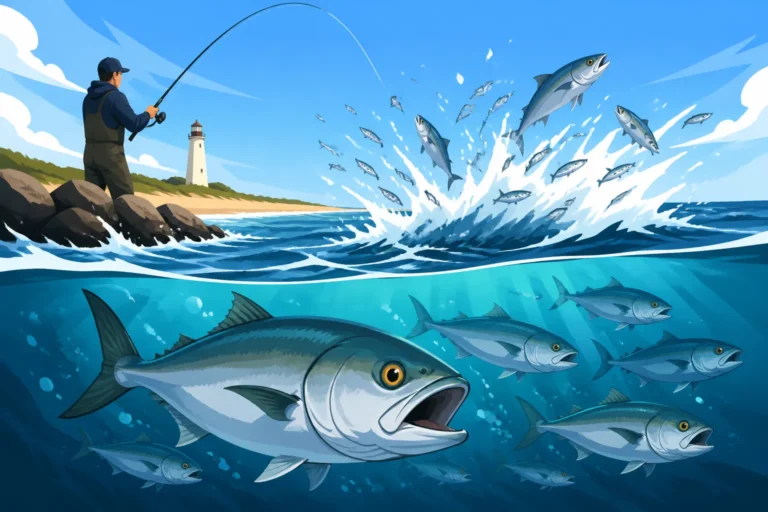
Fall Run: This is arguably the most exciting time for striped bass fishing in New Jersey, and chartreuse shad lures are absolutely essential. As the water cools, vast schools of baitfish, like bunker and mullet, migrate south, followed closely by hungry stripers. The surf comes alive with blitzes, and inlets become feeding frenzies. Chartreuse stands out beautifully in the churning, often bait-filled water of the fall run. Cast into schools of bait, along rip currents, or into the white water of the wash. This is when a chartreuse shad can truly shine, mimicking a disoriented baitfish trying to escape the chaos. How Long Does New Jersey's Fall Striped Bass Run Last?
Productive Locations for Chartreuse Shad Lures
From the calm backwaters to the open ocean, chartreuse shad lures are versatile enough to be effective in many New Jersey locations.
-
Surf Fishing: The vast stretches of the Jersey Shore's beaches offer incredible opportunities. When surf fishing, focus on areas with visible structure such as jetties, rock piles, or even subtle sandbars and troughs where waves break. Cast your chartreuse shad lure beyond the breaking waves and retrieve it through the wash. The color provides excellent visibility in the aerated, foamy water. The Island Beach State Park Fishing Access is a prime example of a surf fishing paradise where this technique can be highly effective.
-
Inlets and Bays: New Jersey's numerous inlets and bays are striped bass highways. Places like Barnegat Light, Manasquan Inlet, and Shark River Inlet are notorious for holding stripers, especially during migratory periods. Here, the strong currents and concentrated baitfish create ideal ambush points. Work your chartreuse shad lures along the jetty walls, through current rips, and around bridge pilings. In the expansive Barnegat Bay and Raritan Bay, target deeper channels, oyster beds, and any visible structure. Best Time to Fish Manasquan Inlet
-
Rivers and Estuaries: Tidal rivers such as the Mullica, Toms River, and Navesink River can hold significant populations of resident and migratory striped bass. The water in these areas often has lower visibility, making chartreuse a fantastic choice. Focus on bends in the river, deeper holes, docks, and bridge pilings. A slowly retrieved or jigged chartreuse shad can be deadly in these environments. Toms River Striped Bass Fishing Guide
Troubleshooting and Tips
Sometimes, even with the right lure and location, the bite can be tough. Here are a few tips to help you adapt:
- Vary Retrieval Speed: If a steady retrieve isn't working, speed it up or slow it down significantly. A super-slow crawl along the bottom might entice a sluggish fish, while a lightning-fast burn can trigger a reaction strike from an aggressive one.
- Add Scent: While the visual appeal of chartreuse is strong, adding a dab of fish attractant scent to your soft plastic shad can provide an extra layer of appeal, especially in dirty water.
- Downsize or Upsize: If the stripers are keying in on very small bait, try a smaller chartreuse shad. Conversely, if large bunker are around, don't be afraid to throw a bigger, heavier shad lure.
- Check Your Leader: Always inspect your fluorocarbon leader for nicks or abrasions, especially after fishing around structure. Stripers can be toothy, and a compromised leader is an invitation for a break-off.
Choosing the Right Chartreuse Shad Lure for New Jersey Stripers
Walking into a tackle shop or browsing online, you'll find a bewildering array of shad lures. Don't worry, it's not as complicated as it seems. For New Jersey stripers, focusing on a few key aspects will help you pick the perfect chartreuse offering.
Soft Plastic vs. Hard Body
When it comes to shad lures, you generally have two main categories: soft plastics and hard bodies. Each has its strengths.
-
Soft Plastic Shad Bodies: These are perhaps the most popular for their lifelike action and versatility. They typically consist of a soft plastic body with a paddle tail that creates a seductive thumping action in the water. They are usually fished on a jig head.
- Pros: Highly realistic swimming action, very versatile (can be jigged, cast, retrieved), often more affordable, and if a fish misses, the soft texture might encourage a second strike. They come in a huge range of sizes and weights.
- Cons: Less durable (can get torn up by sharp teeth, especially bluefish), require a separate jig head, and the hook is often exposed, which can lead to snags in heavy cover. You'll want to buy these in bulk from reputable suppliers or large online retailers like Amazon because you'll go through them.
- Best Use: All-around striped bass fishing, especially in the surf, back bays, and when jigging from a boat.
-
Hard Body Shad Lures: These are typically made of hard plastic, wood, or even metal, and often come with treble hooks already attached. Some are designed for diving, others for topwater or subsurface retrieves.
- Pros: Extremely durable, can cast very far, some have rattles for added attraction, and can achieve specific diving depths.
- Cons: Less natural action than soft plastics, generally more expensive, and the hard body might be less forgiving if a fish strikes short.
- Best Use: When targeting deeper water, trolling, or when you need extreme casting distance in rough surf.
Size and Weight Considerations
Matching the size and weight of your chartreuse shad lure to the conditions and the prevalent baitfish is crucial.
- Matching the Hatch: If you see stripers feeding on small baitfish, like spearing or peanut bunker, opt for smaller shad lures (3-5 inches). If they're busting on large adult bunker, then a 6-inch or even 9-inch shad lure is more appropriate. Keep an eye on what bait is around – often, the birds will tell you!
- Water Depth and Current: The weight of your lure (or jig head for soft plastics) dictates how fast it sinks and how well it maintains depth in current.
- Lighter weights (1/2 oz to 1 oz): Ideal for shallow water, calmer conditions, or when you want a slower, more suspended presentation. Great for surf fishing in the wash or casting in shallow back bays.
- Medium weights (1 oz to 3 oz): Your workhorse for most New Jersey fishing. Good for moderately deep water, moderate currents, and general casting scenarios.
- Heavier weights (3 oz+): Necessary for deep water, strong currents (like in inlets or offshore), or when you need to cast into a strong headwind.
Here's a quick comparison of common shad lure types:
| Lure Type (Chartreuse) | Best Use Case | Key Advantages | Common Sizes |
|---|---|---|---|
| Soft Plastic Paddle Tail | Surf, Inlets, Bays, Jigging from Boat | Realistic action, versatile, good vibration | 3-9 inches |
| Soft Plastic Finesse Shad | Rivers, estuaries, finicky fish | Subtle action, can be worked slowly | 2-5 inches |
| Hard Body Swimbait | Trolling, deep casting, aggressive retrieves | Durable, casts far, reaches specific depths | 4-8 inches |
| Metal Jig | Deep water, fast current, vertical jigging | Sinks fast, good flash, durable | 1-6 oz |
Hook and Jig Head Pairings
For soft plastic shad lures, the jig head is just as important as the lure itself.
- Jig Head Shape: Various shapes exist, but a traditional round head or a bullet head jig are excellent all-around choices. For fishing in strong currents or deeper water, a "banana" or "football" shaped jig head can help maintain bottom contact.
- Hook Size: Ensure the hook on your jig head is appropriately sized for the soft plastic shad body. The hook point should exit cleanly from the top of the lure, allowing for maximum exposure and an effective hook set. Generally, a 3/0 to 8/0 hook size will correspond to most common shad body sizes for striped bass.
- Hook Quality: Don't skimp on hook quality. Striped bass have tough mouths, and a strong, sharp hook is essential for penetrating and holding. Many anglers prefer jig heads with heavy-duty hooks to avoid bending out on larger fish. You'll find a wide variety of jig heads in different weights and hook sizes, including those from popular brands, easily available on Amazon or at your local tackle shop. How to Tie a Fluke Rig can give you an idea of how crucial proper hook and weight pairing is, even though it's for a different species, the principles apply.
Using chartreuse shad lures for striped bass fishing in New Jersey is more than just throwing a bright lure; it's about understanding the fish's behavior, reading the environment, and employing the right techniques. With a little practice and confidence in your chartreuse offerings, you'll be well on your way to more successful and exciting days on the water.
Disclaimer
This article is for general informational purposes only and does not constitute professional advice. Laws, prices and regulations vary by location and change over time. Consult a qualified professional for guidance on your specific situation.