How Fast Do Largemouth Bass Grow?
Every New Jersey angler, from the eager beginner to the seasoned veteran, has undoubtedly wondered: "How fast do largemouth bass grow?" It's a natural question when you're dreaming of landing that trophy fish, or simply observing the amazing development of these popular game fish. Understanding their growth rates is key to appreciating our local fisheries and knowing what to expect. This guide unpacks the fascinating science behind largemouth bass growth in New Jersey, exploring the many factors that influence their journey from tiny fry to impressive lunkers.
The Fundamentals of Largemouth Bass Growth
Largemouth bass, like all fish, exhibit variable growth rates, meaning there's no single, definitive answer to how quickly they reach a certain size. Instead, their development is a complex interplay of genetics and environment. While some bass might hit impressive lengths in just a few years, others in less favorable conditions could take much longer to reach the same size. It's a testament to their adaptability, but also a challenge for anglers trying to predict what's lurking beneath the surface.
Think of it this way: two children born on the same day might grow up to be vastly different in height and build, even if they share some genetic similarities. The same principle applies to bass. Their genetic makeup provides the blueprint for their potential size, but it's the environment they inhabit that largely determines how much of that potential is realized. This is particularly true in a state like New Jersey, with its diverse range of freshwater habitats, from sprawling reservoirs to smaller farm ponds.
Generally speaking, largemouth bass experience their most rapid growth during their first few years of life, assuming conditions are good. They are often referred to as "opportunistic feeders," meaning they'll eat almost anything that fits in their mouths, and this voracious appetite fuels that early growth spurt. As they get older and larger, their growth tends to slow down, and they focus more on maintaining their size and reproducing.
Life Stages and Corresponding Growth
Understanding the general life stages of a largemouth bass provides a framework for comprehending their growth trajectory. It's not a linear climb; instead, it involves distinct phases where different biological processes dominate. From the moment they hatch, these fish are on a mission to eat and grow, but the urgency and the resources available change dramatically over time.
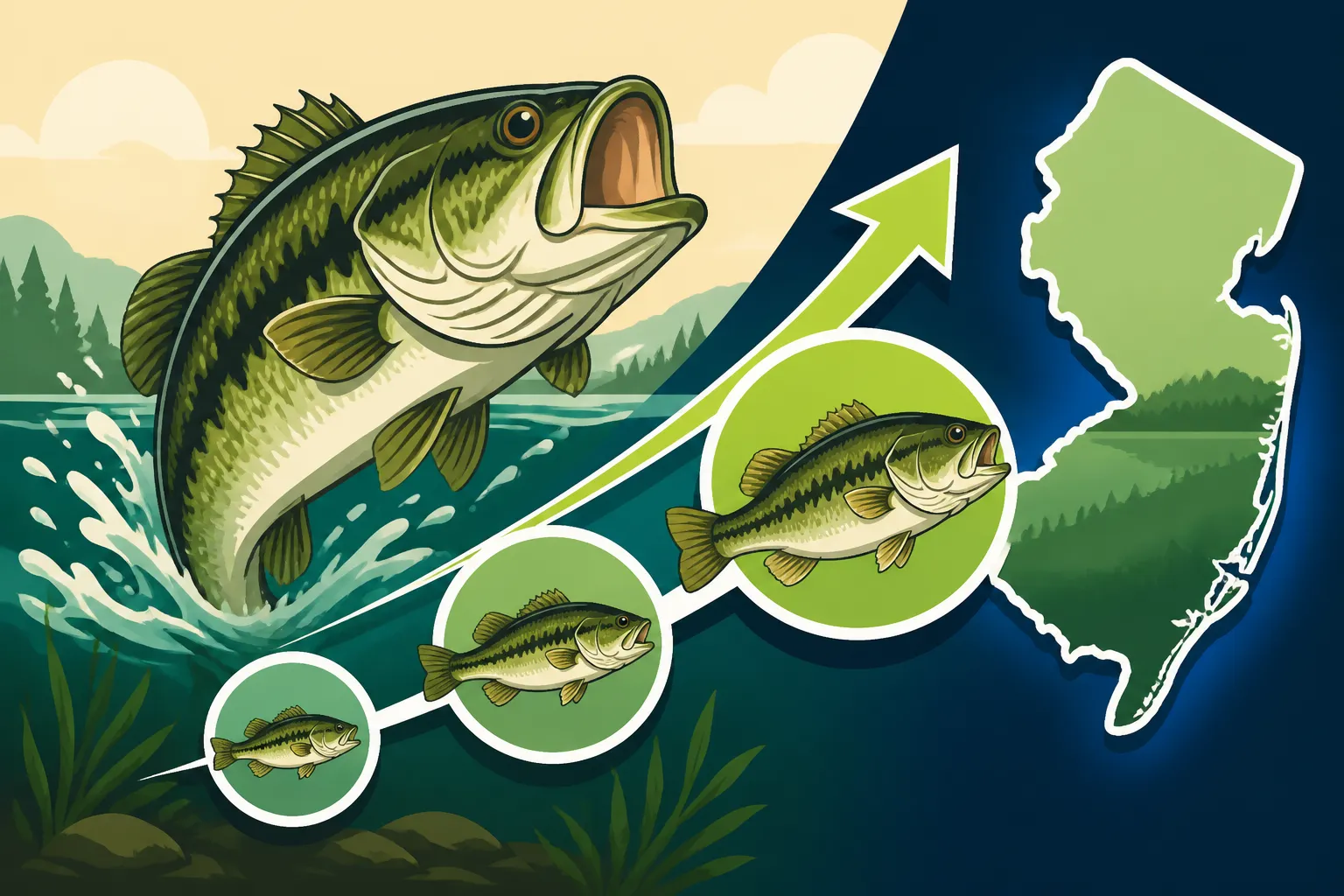
Newly hatched bass are tiny, almost microscopic, and are often called "fry." They survive initially on a yolk sac, but quickly need to find external food sources. Their survival rate at this stage is incredibly low, with countless perils lurking. Those that make it past this initial vulnerable period, often called "fingerlings" once they reach a few inches, begin to put on length and weight at an astonishing rate if conditions are favorable.
As they transition into their juvenile and then adult phases, typically starting around one year old, their growth rate might slightly decrease, but they gain more mass and become much more robust. A two-year-old bass in a rich environment might be 10-14 inches, while a five-year-old could easily be in the 16-20 inch range, or even larger in exceptional circumstances. The exact speed varies wildly, which is what makes fishing in places like Lake Hopatcong or Round Valley Reservoir so exciting—you never know if you're about to hook into a youngster or a true veteran. New Jersey Largemouth Bass State Record provides some incredible examples of how big they can actually get!
Key Environmental Factors Influencing Growth
The environment is arguably the most significant driver of how fast a largemouth bass grows. Imagine trying to run a marathon on an empty stomach and without proper training – it’s just not going to happen. Similarly, bass need the right conditions to thrive and reach their full growth potential. New Jersey's varied landscapes offer a spectrum of these conditions, from nutrient-rich shallow lakes to deeper, colder reservoirs.
When biologists study fish populations, they look at these environmental variables closely because they tell a story about the health and productivity of a waterway. An angler who understands these factors can also make more informed decisions about where and when to fish, and even contribute to conservation efforts by understanding what makes a healthy bass habitat. It's more than just casting a line; it's about connecting with the ecosystem.
For instance, two different lakes, even relatively close to each other in New Jersey, could have dramatically different growth rates for their bass populations due to variations in these factors. One lake might consistently produce larger, faster-growing bass, becoming a local hotspot, while another might be known for its abundance of smaller, slower-growing fish. These differences are rarely random; they are usually tied back to the fundamental conditions of the waterbody itself.
Food Availability and Quality
This is perhaps the single most crucial factor for rapid bass growth. Simply put, more food means more energy for growth. Largemouth bass are apex predators in many freshwater ecosystems, and their diet evolves as they grow. Small fry eat zooplankton and insect larvae. As they get larger, they transition to eating larger insects, crayfish, frogs, and most importantly, other fish.
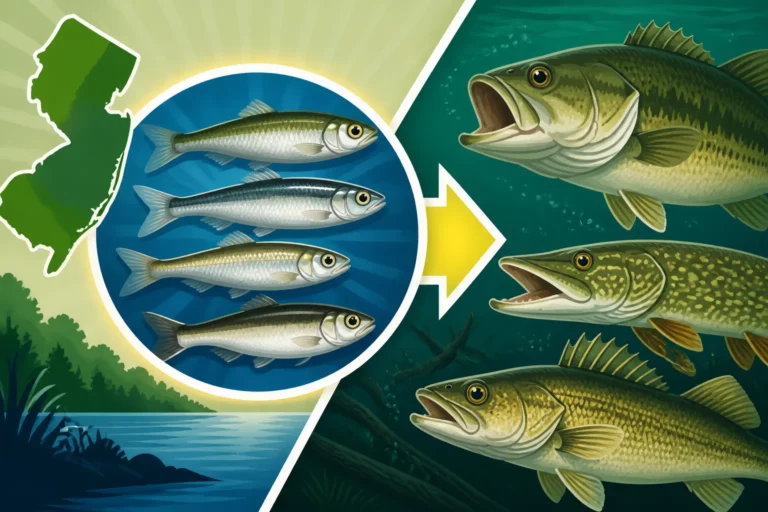
Lakes and rivers rich in forage fish—like alewives, shiners, or bluegill—will typically produce faster-growing, larger bass. Conversely, a body of water with a sparse food base will often have slower-growing, leaner bass. This is why when you're researching Best Lakes for Largemouth Bass in New Jersey, you're often looking for places known for a robust ecosystem that supports a healthy food chain for bass. Anglers often keep this in mind when choosing their lures; for instance, many choose swimbaits or crankbaits that imitate common forage fish, and you can find a good selection of these on Amazon.
The quality of the food also matters. A diet rich in protein and fats from other fish provides more fuel for growth than a diet consisting primarily of insects, though insects are vital in a bass's early life. Water temperature also influences metabolism, meaning bass in warmer waters (within their optimal range) might eat more and therefore grow faster than those in colder waters, assuming food is equally available.
Water Temperature and Oxygen Levels
Largemouth bass are warm-water fish, and temperature plays a vital role in their metabolic rate. Their optimal temperature range for feeding and growth is typically between 65-80 degrees Fahrenheit (18-27 degrees Celsius). Within this range, their metabolism is high, they digest food efficiently, and they are actively growing.
During New Jersey's colder months, especially when water temperatures drop below 50 degrees, bass become much less active, their metabolism slows down, and their growth essentially halts. They might still feed, but it's often sporadic and opportunistic, aimed more at survival than rapid growth. Conversely, extremely hot water, especially if it leads to low oxygen levels, can also stress bass and inhibit growth. How to Catch Largemouth Bass in Cold Water and Best Lures for Largemouth Bass in Summer Heat both touch on how these temperature shifts affect bass behavior.
Oxygen levels are just as critical. Fish need dissolved oxygen in the water to breathe. Bodies of water with poor oxygen levels, often due to excessive aquatic vegetation decay or pollution, cannot support healthy fish populations, leading to stunted growth or even fish kills. Good water circulation and clarity generally contribute to healthier oxygen levels, creating a more suitable environment for bass to grow.
Population Density and Competition
Imagine a buffet where there's plenty of food for everyone, versus a buffet where you have to elbow your way in just to get a scrap. That's essentially the difference population density makes for bass growth. When a body of water is overpopulated with bass, there's intense competition for limited food resources. This often results in a large number of smaller, slower-growing fish, as no individual bass can get enough to eat to truly thrive.
Conversely, in waters where the bass population is in balance with the available food supply, individual fish have access to ample nutrition and can grow much faster and larger. This is why fishery managers sometimes implement specific regulations or even conduct culling programs to manage bass populations and improve growth rates for the remaining fish.
Competition isn't just within the bass species, either. Largemouth bass compete with other predatory fish species for food, and even with panfish for the same insect larvae and small baitfish when they are young. A healthy, balanced ecosystem is one where various species can coexist without excessive competition stunting the growth of key game fish like largemouth bass.
Habitat Quality and Cover
A good home provides shelter and safety, and it's no different for largemouth bass. High-quality habitat, which includes ample submerged vegetation, fallen trees (laydowns), rock piles, and other structures, offers several advantages for bass that directly impact their growth. These areas serve as ambush points for hunting prey, which means less energy expended to get a meal.
Crucially, good cover also provides refuge from predators, especially for younger bass. Without places to hide, young bass are vulnerable, and their survival rates plummet. The ability to hide and hunt effectively means less stress and more time and energy dedicated to growing. This is why anglers often target these structural elements; they know that’s where the bass are likely to be. Many anglers even equip their boats with advanced fish finders, which you can purchase on Amazon, to pinpoint these critical structures and cover.
Poor habitat, characterized by featureless bottom, lack of cover, or degraded water quality, can lead to stressed bass that struggle to find food and evade predators. This stress, combined with less efficient hunting, directly translates to slower growth rates and overall less robust fish. Fishing Lake Hopatcong: New Jersey's Largest Lake and New Jersey's Round Valley Reservoir Fishing Guide both highlight the importance of diverse habitats in supporting thriving bass populations.
Average Growth Rates in New Jersey Waters
So, after all that, what can a New Jersey angler actually expect in terms of average growth rates for largemouth bass? It’s tough to give an exact number, because as we've discussed, so many factors are at play. However, we can look at some general benchmarks that provide a good idea of how these fish progress through their lives in our local waters.
Keep in mind that these are averages. You’ll always hear stories of that one bass that exploded in growth, or the particularly slow-growing population in a less-than-ideal pond. That’s the beauty and the mystery of fishing! But these general figures give you a solid foundation for understanding the typical bass you might encounter.
It’s also important to differentiate between wild populations and those that might be part of specific stocking programs. Stocked bass, particularly those introduced as fingerlings, might show an initial burst of growth if placed into a rich environment with low competition. However, ultimately, the long-term growth will still be dictated by the factors we've already covered.
Typical Size by Age in New Jersey
While precise numbers vary wildly from one lake to another, here's a general guideline for largemouth bass growth in a reasonably healthy New Jersey freshwater environment. This table is an approximation, but it gives you a sense of the scale and progression you might observe over the years.
| Age (Years) | Typical Length Range (Inches) | Typical Weight Range (Pounds) | Notes |
|---|---|---|---|
| 1 | 6-10 | 0.2 – 0.75 | Rapid initial growth; often referred to as "fingerlings" or "small juveniles." |
| 2 | 10-14 | 0.75 – 1.5 | Good growth year; starting to become more formidable predators. |
| 3 | 13-17 | 1.5 – 3 | Reaching sexual maturity and a respectable size for many anglers; often the minimum legal size where applicable. |
| 4 | 15-19 | 2.5 – 4.5 | Approaching "trophy" size in many smaller waters. |
| 5+ | 18-22+ | 4 – 8+ | True lunkers; growth slows significantly, focused on maintaining weight and reproduction. Can live 10+ years. |
Note: These ranges are highly generalized. A bass in an exceptionally rich, low-competition environment could easily exceed these averages, while one in a stressed environment could fall below them.
As you can see, a bass needs several years to become a truly large fish. That 18-inch bass you caught from a local pond likely has a few years under its belt. This long growth period emphasizes the importance of responsible angling practices, especially catch and release for larger fish, to ensure these impressive individuals continue to contribute to the gene pool. The fish in the New Jersey Largemouth Bass State Record: 10 Pounds 14 Ounces was likely many, many years old!
Factors Causing Accelerated vs. Stunted Growth
Understanding what accelerates or stunts growth can help you appreciate why certain lakes in New Jersey produce big bass year after year, while others seem to only hold smaller fish. It's often a direct reflection of the underlying health and balance of the aquatic ecosystem.
Factors for Accelerated Growth:
- Abundant, high-quality forage: Plenty of protein-rich baitfish.
- Optimal water temperatures: Consistent temperatures within the 65-80°F range for extended periods.
- Low population density: Less competition for food and space.
- Rich, complex habitat: Plenty of cover for ambush hunting and protection.
- Good water quality: Stable oxygen levels and minimal pollution.
Factors for Stunted Growth:
- Scarcity of food: Not enough forage to sustain a growing population.
- Extreme temperatures: Prolonged periods of very cold or very hot water.
- Overpopulation: Too many bass for the available resources, leading to intense competition.
- Poor habitat: Lack of cover, resulting in higher stress and less efficient hunting.
- Poor water quality: Low oxygen, high pollution, or disease.
When you think about places known for big bass, like a lot of the spots in our Best Places to Fish in New Jersey guide, they almost always embody the factors for accelerated growth. The more you observe these conditions, the better you'll understand why some fish flourish and others struggle.
How Anglers Can Support Healthy Bass Growth
As anglers, we have a significant role to play in supporting the healthy growth of largemouth bass populations in New Jersey. It's not just about catching fish; it's about being responsible stewards of our natural resources. Every decision we make, from the gear we use to how we handle our catch, can have an impact.
Sometimes, the frustrations are real. You might feel like you're doing everything right, but the fish just aren't there, or they're not the size you're hoping for. Remember, you're part of a larger ecosystem. But by understanding the factors that influence growth, you can contribute positively and perhaps even see the results over time in your favorite fishing spots. It’s a long game, but a rewarding one.
Our actions collectively impact the future of fishing. Being informed and making conscious choices empowers us to be better conservationists. This means more than just following the rules; it means understanding the spirit behind them and embracing practices that help bass thrive.
Responsible Catch and Release Practices
For largemouth bass, especially those larger individuals that have taken years to grow, catch and release is paramount for sustaining healthy populations and promoting trophy-size fish. These bigger bass are often the most productive spawners, contributing significantly to the next generation. A well-executed catch and release ensures they live to fight another day and pass on their strong genetics.
Here are some quick tips for effective catch and release:
- Minimize fight time: Bring the fish in quickly to reduce stress.
- Use appropriate gear: Don't underpower your tackle; a suitable rod and reel (many good options available on Amazon) helps land fish faster.
- Handle with care: Wet your hands before touching the fish to protect its slime coat. Support its full body weight, especially for larger bass, avoiding holding them purely by the jaw in a vertical position, which can damage their spine.
- Remove hooks quickly: Use pliers or a dehooker for easy, safe removal. If the fish is deeply hooked, cut the line as close to the hook as possible.
- Revive if necessary: Hold the fish gently in the water, facing into a current, until it swims away under its own power. Don't just toss it back.
By practicing these methods, you give that bass the best possible chance of survival, allowing it to continue growing and contributing to the fishery. This is especially true in waters with restrictive slot limits, where releasing fish outside a certain size range is required.
Conservation and Habitat Preservation
Beyond individual fish handling, supporting broader conservation efforts is vital for the long-term growth of largemouth bass. This means caring about the overall health of the aquatic environments they call home. When you see pollution, report it. If there are opportunities to participate in habitat restoration projects, consider lending a hand.
Many local fishing clubs and state agencies, such as the New Jersey Division of Fish and Wildlife, actively work on projects to improve bass habitats, from installing artificial cover to managing invasive species. These efforts directly translate to better living conditions for bass, which in turn leads to faster growth rates and healthier fish. New Jersey Fishing License Guide for 2026 and Reading the New Jersey Fish and Wildlife Digest offer more context on the regulations and efforts in place to manage our fisheries.
Being mindful of your impact on the environment, even something as simple as properly disposing of fishing line and trash, contributes to cleaner, healthier waters. Healthy waters mean healthy forage bases, optimal oxygen levels, and robust habitats – all the ingredients for bass to grow big and strong. It's a collective responsibility that pays dividends for every angler who loves to pursue these incredible fish.
Disclaimer
This article is for general informational purposes only and does not constitute professional advice. Laws, prices and regulations vary by location and change over time. Consult a qualified professional for guidance on your specific situation.