Best Water Temperature for Trout Fishing
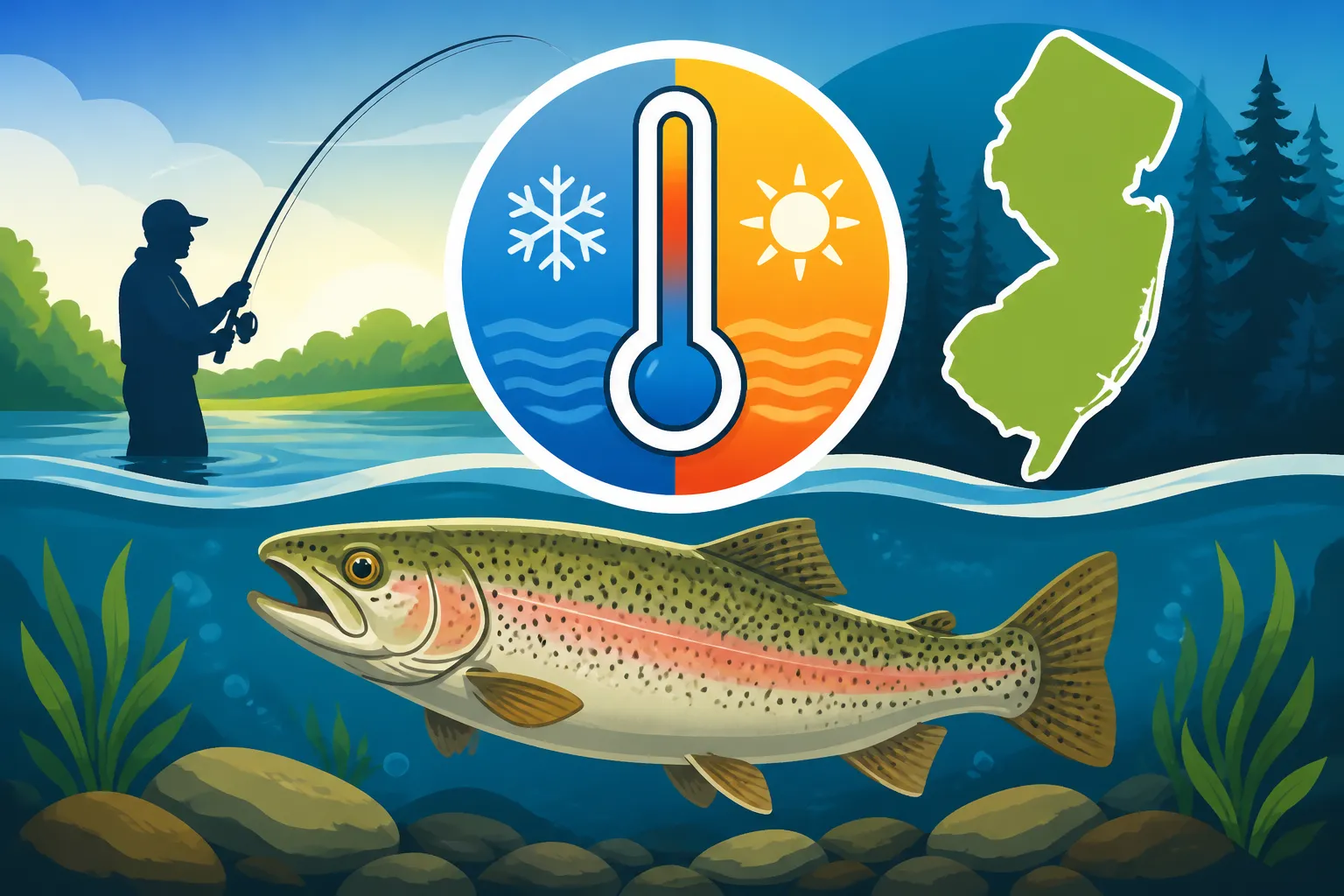
There's nothing quite like the thrill of chasing trout in New Jersey's pristine streams and lakes, but if you've ever found yourself casting into seemingly perfect water only to come up empty, you know the frustration. Sometimes, it feels like the fish have just vanished. Often, the hidden culprit isn't your technique or your lure, but the one factor many anglers overlook: water temperature. This comprehensive guide will help you decode the thermal preferences of New Jersey's trout, giving you the insights you need to find more fish, more often, and understand exactly when and where they'll be biting.
Understanding Trout Temperature Preferences: Why Water Matters So Much
Trout are exquisitely sensitive creatures, much more so than many other fish species you might encounter in New Jersey. They don't have the luxury of regulating their own body temperature like we do; instead, their internal thermostat is directly tied to the water around them. This fundamental biological reality dictates almost every aspect of their lives, from how quickly they digest food to how much oxygen they can take in. Ignoring water temperature is like trying to navigate a dense fog – you're essentially blind to what's going on beneath the surface.
The Biology Behind Coldwater Fish
Let's get a little scientific for a moment, but I promise to keep it interesting! Trout are what we call "cold-blooded," or poikilothermic. This means their metabolism, energy levels, and even their immune system are all directly influenced by the temperature of the water they inhabit. When the water is too warm, their metabolism speeds up dramatically, demanding more oxygen. The cruel irony is that warmer water holds significantly less dissolved oxygen than colder water. So, as temperatures climb, trout face a double whammy: increased oxygen demand coupled with reduced oxygen availability. This isn't just uncomfortable for them; it can be deadly.
You might think cooler water is always better, but it's more nuanced than that. While cold water holds plenty of oxygen, if it gets too cold, their metabolism slows to a crawl. They become sluggish, less inclined to feed, and generally just try to conserve energy. Think of it like trying to run a marathon in freezing temperatures – you can, but you're not going to perform at your peak, and you'll be burning through resources just to stay warm enough. Understanding this delicate balance is crucial for predicting where trout will be active and what they'll be willing to eat.
The "Goldilocks Zone" for Trout
Just like Goldilocks, trout are always looking for conditions that are "just right." This sweet spot is often referred to as their optimal temperature range. Within this range, trout are active, healthy, and most importantly for us anglers, they're feeding aggressively. Their digestion is efficient, their oxygen intake is comfortable, and they have the energy to chase down prey. When temperatures drift too far outside this zone, either too hot or too cold, you'll notice a significant change in their behavior.
If the water gets too warm, typically above the mid-60s Fahrenheit for most trout species, they start experiencing serious stress. They might become lethargic, hold tight to the bottom in the deepest, coolest spots they can find, or even begin gasping at the surface if oxygen levels are critically low. Their immune systems can weaken, making them susceptible to disease. On the flip side, if the water is too cold, say below 40°F, they'll become quite sluggish. They won't expend much energy to chase food, preferring to lie in wait for an easy meal or conserving energy until conditions improve. Knowing these thresholds is paramount. You wouldn't go out in a snowstorm in a t-shirt, and trout won't be actively feeding in water that's making them miserable.
Ideal Temperature Ranges for New Jersey's Common Trout Species
New Jersey is lucky to have a variety of trout species, each with its own preferred thermal comfort zone. While they all appreciate cold, clean water, there are subtle differences that can guide your fishing strategy. Understanding these individual preferences means you can tailor your approach to the specific species you're targeting.
Rainbow Trout
Rainbow trout are probably one of the most popular trout species stocked throughout New Jersey, and they're known for their spirited fight. Their ideal water temperature range typically falls between 45°F and 65°F. Within this broad range, they'll be actively feeding and cruising for food. They're fairly adaptable and can tolerate slightly warmer water than, say, a brook trout, which is why you'll find them thriving in many of our rivers and larger lakes, especially after fresh stockings.
When the water hits that 50-60°F sweet spot, rainbow trout are usually at their most energetic. They'll readily strike a variety of baits and lures, from powerbait and worms to spinners and flies. If temperatures creep higher, into the upper 60s, you'll see them start to slow down and seek out cooler depths or areas with good current. Conversely, in the dead of winter when water temperatures dip into the low 40s or even upper 30s, they'll still feed, but they'll be much more deliberate and less inclined to chase. For more on distinguishing between different trout, check out our guide on New Jersey Rainbow Trout vs Brown Trout vs Brook Trout.
Brown Trout
Brown trout are often considered the wiliest of the trout family, known for their wariness and larger size potential. They also tend to be a bit more tolerant of slightly warmer water compared to rainbow or brook trout, making them quite resilient in some of New Jersey's larger river systems that might experience warmer summer temperatures. Their preferred range is typically similar to rainbows, around 45°F to 68°F, but they can often tough it out in water a few degrees warmer if there's sufficient oxygen and refuge. This resilience is one reason why wild brown trout populations can persist in streams that might be too warm for other species.
When the water is in their optimal range, brown trout become formidable predators, often feeding more actively at dawn, dusk, and even at night. They'll hold in prime ambush points, waiting for an unsuspecting meal to drift by. As temperatures push their upper limits, they'll become nocturnal, feeding when the water is coolest, or they'll retreat to deep pools, undercut banks, or the mouths of cold feeder creeks. Understanding their ability to adapt to a wider thermal range helps you locate them when other trout have already shut down. You can learn more about how different trout species thrive in various environments in our piece on New Jersey Stocked Trout vs Wild Trout Streams.
Brook Trout
Ah, the brook trout – New Jersey's only native salmonid and a true gem. These beautiful fish are the most temperature-sensitive of the bunch, demanding the coldest, cleanest, and most oxygenated water available. Their ideal range is a tighter window, typically between 40°F and 60°F. Anything above 65°F is extremely stressful for brook trout, and sustained temperatures in the low 70s can be lethal. This sensitivity explains why finding wild brook trout often means venturing into the most remote, pristine mountain streams and spring-fed headwaters.
When you find a stream that's perfectly suited to brook trout, with temperatures in their sweet spot, they'll be vibrant and active. They'll often hold in runs, riffles, and small pockets behind obstructions, eagerly snatching nymphs and small insects. Their preference for cold water makes them a great indicator species for stream health; if you find a healthy population of brook trout, you know that water is in excellent condition. If you're targeting these elusive natives, paying close attention to water temperature is not just good fishing practice, it's essential for their well-being if you practice catch and release.
How Water Temperature Influences Trout Behavior and Location
Understanding the ideal temperatures for each trout species is one thing, but knowing how these temperatures dictate where the fish will actually be in the water column and what they'll be doing is another level of expertise entirely. Trout aren't static; they're constantly on the move, seeking out their comfort zone as conditions change. This is especially true throughout the seasons in New Jersey, where temperatures can swing wildly.
Seasonal Temperature Shifts and Trout Movement
New Jersey's distinct seasons play a huge role in trout behavior. It's not just about the calendar; it's about how the sun, rain, and air temperature influence the water. Anglers who consistently catch trout are often those who can "read" these seasonal shifts and predict how the fish will react.
- Spring: As winter's grip loosens and water temperatures begin their slow climb from the low 40s into the 50s, trout become re-energized. This is when you'll see them moving from their deeper wintering holes into shallower runs and feeding lanes. The warming water signals an increase in insect activity, and trout are keen to bulk up after a leaner winter. This period, especially after the New Jersey Spring Trout Stocking Start Date, can offer some of the most consistent action.
- Summer: This is often the most challenging time for trout anglers in New Jersey, and frankly, when many people just give up. As air temperatures soar and stream temperatures climb into the high 60s and beyond, trout become stressed. They will abandon wide-open, shallow areas and retreat to any available sanctuary of cooler water. This means focusing your efforts on deep pools, spring-fed tributaries, dense shade, or fast-moving, oxygenated riffles. If you're not finding them, it's probably because you're fishing in water that's too warm for them to be comfortable. Our guide on How to Catch Trout in Warm Summer Water dives deep into this specific challenge.
- Fall: Ah, the fall run! As air temperatures drop and water cools back into the 50s and low 60s, trout experience a resurgence of energy. This is a prime feeding period as they prepare for winter. Many species will also begin their spawning rituals, making them more aggressive. They'll move back into shallower areas, actively chasing baitfish and insects. This is arguably one of the best times to target larger trout, and the cooler water is much less stressful on released fish. For a detailed comparison of tactics, check out New Jersey Trout Season: Spring vs Fall.
- Winter: During the coldest months, when water temperatures dip into the low 40s or even high 30s, trout become less active. They'll move to deeper, more stable areas where temperatures are consistent and energy expenditure is minimal. Their metabolism slows, and they'll feed less frequently, often preferring larger, slower-moving meals that require little effort. Ice fishing for trout can be productive, but understanding their sluggish nature is key.
Finding Temperature Refuges
When water temperatures start to climb out of the optimal range, trout don't just disappear; they actively seek out microclimates where conditions are more favorable. These "temperature refuges" are your key to success during challenging times, especially in the heat of summer. Identifying these spots can be the difference between a frustrating day and a successful one.
- Deeper Pools: Water in deeper sections of a river or lake stratifies, meaning cooler, denser water sinks to the bottom. Even a few feet of additional depth can provide a significant temperature drop, offering sanctuary from surface heat. These pools also provide security cover and often hold larger fish.
- Spring-Fed Creeks and Tributaries: This is a golden ticket! Any incoming stream or underground spring that feeds into a larger body of water will introduce a plume of consistently cold water. Trout will congregate at these confluences, often holding directly in the cooler flow. Look for lush green aquatic vegetation around these areas, which often indicates colder, nutrient-rich water.
- Shade: Simple, yet effective. Overhanging trees, tall banks, or even bridge abutments can cast significant shade, keeping the water beneath them several degrees cooler than exposed sections. These areas also offer cover from aerial predators, making them doubly attractive to trout.
- Current and Aeration: Moving water, especially riffles and rapids, tends to be more oxygenated and can sometimes be slightly cooler than stagnant pools. The constant flow also brings food, making these areas appealing if the temperature isn't too extreme.
- Thermoclines (in lakes): In deeper lakes like Round Valley Reservoir, water will stratify into layers. The thermocline is the layer where the temperature changes most rapidly, and often, trout will hold just above or within this layer, seeking the coolest, most oxygenated water. Understanding the nuances of Trout Survival Through Summer in New Jersey Lakes is vital for ethical angling.
A simple, inexpensive water thermometer, easily found on Amazon, can be your best friend in locating these critical spots. Don't just guess; measure!
Practical Tips for Measuring and Using Water Temperature
Knowing the theory is one thing, but putting it into practice is where the magic happens. Integrating water temperature into your regular fishing routine will elevate your success and make you a more observant and effective angler. It's not just a nice-to-have; it's an essential tool in your trout fishing arsenal.
Essential Gear: The Water Thermometer
Honestly, if you're serious about trout fishing in New Jersey, a good water thermometer is as important as your reel. You wouldn't drive without a speedometer, so why fish without knowing the most critical environmental factor for trout? Without a thermometer, you're just guessing, and that leads to wasted time and missed opportunities.
There are various types of thermometers available, and many reliable options can be found on Amazon. You can get simple, clip-on models that attach to your vest or lanyard, digital versions that give precise readings, or even larger, weighted ones for measuring deeper water. The key is to have one that's easy to read and readily accessible. When you use it, don't just dip it into the surface. Water temperatures can vary significantly from the surface to the bottom, especially in deeper pools or lakes. Try to measure at the depth you're planning to fish, or at least at mid-depth, to get a more accurate picture of where the trout are actually living. Taking multiple readings along a stretch of river can reveal those subtle temperature breaks that concentrate fish.
Adjusting Your Strategy Based on Temperature
Once you have that temperature reading, it's time to adapt. Your tactics should shift dramatically depending on whether the water is frigid, ideal, or uncomfortably warm. This adaptability is what separates casual dabblers from consistent trout catchers.
- Cold Water (Below 40°F): When the water is this cold, trout are lethargic. Think slow, deliberate presentations. Downsize your baits and lures. Nymphing with very small flies or drifting a tiny piece of worm on light line will often be more effective than aggressive retrieves. Focus on deeper, slower pools where fish are conserving energy. They're not going to chase anything; they want an easy meal right in front of their face.
- Ideal Range (45-65°F): This is prime time! Trout are active and feeding. You can use a wider variety of techniques, from throwing spinners and spoons to drifting bait or fly fishing with dry flies, nymphs, or streamers. Experiment with different retrieves – moderate to fast, depending on the current and the fish's activity level. Target prime feeding lies like current seams, eddies, and structure. This is when the trout are most cooperative and forgiving. For example, during optimal temperatures, Nymphing Techniques for Trout Streams can be incredibly productive, and in spring, a well-chosen fly from our Fly Selection for Trout Streams in Spring guide will be key.
- Warm Water (Above 68°F): This is where ethical considerations come strongly into play. While you might still find fish, especially brown trout, in water approaching 70°F, they are under immense stress. If the water is in the low 70s or higher, it's often best to put away your trout gear and target warm-water species like bass or panfish instead. If you do fish for trout in marginal temperatures, prioritize their survival: use lighter tackle to land them quickly, avoid handling them unnecessarily, keep them in the water as much as possible, and ensure a quick, clean release. Focus your efforts on the deepest, coolest, and most oxygenated parts of the water body. The well-being of our fish populations depends on our responsible angling practices.
| Temperature Range (°F) | Trout Behavior & Activity | Optimal for Species | Recommended Strategy |
|---|---|---|---|
| Below 40°F | Sluggish, low metabolism, conserving energy, seeking stable depths. | All trout, less active | Slow, deep presentations; small baits/lures; focus on wintering holes. |
| 40°F – 45°F | Becoming more active, still somewhat sluggish, feeding opportunistically. | All trout | Slow retrieves, slightly larger baits possible, still deep focus. |
| 45°F – 60°F | Optimal feeding range. Active, energetic, chasing prey, high metabolism. | All trout | Wide range of techniques; varied retrieves; target feeding lies (riffles, runs). |
| 60°F – 65°F | Still active, but beginning to seek cooler areas as temperature approaches upper limit. | Rainbow, Brown trout | Focus on oxygenated areas, moderate depth, slightly faster retrieves. |
| 65°F – 68°F | Increased stress, lethargic, seeking deep cover and shade, reduced feeding. | Brown trout most tolerant | Target deep pools, spring-fed areas, shaded banks; quick, ethical release. |
| Above 68°F | Severe stress, high mortality risk, minimal feeding. Consider suspending trout fishing. | N/A | Avoid trout fishing. If unavoidable, prioritize fish health and quick release. |
Always remember, knowing the temperature is just one piece of the puzzle, but it's a huge piece. Combine this knowledge with an understanding of structure, current, and insect hatches, and you'll be well on your way to becoming a true New Jersey trout master. If you're looking for more general guidance, our comprehensive guide on New Jersey Trout Fishing Techniques can help round out your skills.
Disclaimer
This article is for general informational purposes only and does not constitute professional advice. Laws, prices and regulations vary by location and change over time. Consult a qualified professional for guidance on your specific situation.