New Jersey Fishing License Guide for 2026
Let's be honest, figuring out the ins and outs of fishing licenses in New Jersey can feel like trying to untangle a particularly stubborn bird's nest. Between freshwater, saltwater, trout stamps, and various age requirements, it’s easy to get overwhelmed and even feel frustrated trying to do the right thing. This comprehensive guide is here to cut through the confusion, lay out everything you need to know about New Jersey fishing licenses for 2026, and ensure you're casting legally and confidently.
Why You Need a Fishing License in New Jersey (and Why It's Worth It)
For many of us, fishing is a cherished pastime, a way to connect with nature, and a much-needed escape from daily life. But beneath the tranquility of a quiet stream or the excitement of a reeling fight, there's a system designed to protect and enhance the very resources we enjoy. That's where fishing licenses come in. It's not just another hoop to jump through; it's a vital part of keeping New Jersey's waters healthy and abundant.
Understanding the "Why" Behind the Rules
Imagine a state where everyone just fished whenever and however they pleased, with no limits on what they could take or where they could go. It wouldn't take long for our precious fish populations to dwindle, and the pristine habitats we enjoy would suffer. New Jersey's fishing regulations, including the requirement for a license, are put in place by the New Jersey Division of Fish and Wildlife (NJDFW) to ensure sustainable fishing for generations to come. These rules dictate everything from New Jersey Fishing Season Dates and Closures to the types of gear you can use, all aimed at protecting fish populations and their ecosystems. It’s about balance—allowing us to enjoy the sport while also safeguarding it.
Funding Conservation Efforts and Fish Stocking
Every dollar you spend on a fishing license in New Jersey goes directly back into managing and improving the state's fisheries. This isn't just a vague concept; it's tangible work that benefits every angler. These funds support crucial programs such as:
- Fish Stocking: Ever wonder how those beautiful trout end up in your favorite stream each spring? Your license fees pay for the raising and stocking of millions of fish each year, including various species of trout, bass, and panfish, ensuring there's always something to catch.
- Habitat Restoration: Money is used to restore critical habitats, clean up waterways, and protect spawning grounds, which are essential for fish to thrive naturally.
- Research and Monitoring: Biologists use these funds to study fish populations, track their health, and understand migration patterns. This data helps the NJDFW make informed decisions about bag limits, size restrictions, and seasons to prevent overfishing and ensure healthy stocks.
- Public Access: Funds also contribute to maintaining and developing public access points, boat ramps, and fishing piers, making it easier for everyone to enjoy New Jersey's diverse fishing opportunities.
So, when you buy that license, you're not just buying a permit; you're investing in the future of fishing in New Jersey. It's a direct contribution to keeping our waters vibrant and our fishing experiences rewarding.
Who Needs a New Jersey Fishing License? Age, Residency, and Special Cases
This is often where the most confusion creeps in. It seems like a simple question, but the answer has a few nuances based on your age, where you live, and certain other circumstances. Getting this right is crucial to avoid any unwelcome encounters with a conservation officer.
Age Requirements and Exemptions
Generally speaking, if you are 16 years of age or older and plan to fish in New Jersey's freshwaters, you need a license. This applies whether you're dangling a worm in a local pond or fly fishing a pristine trout stream. However, there are some important exceptions and clarifications:
- Youth Anglers (Under 16): The good news for families is that Do Kids Need a Fishing License in New Jersey? is a common question with a simple answer: no. Anglers under 16 years old are exempt from requiring a freshwater fishing license. This is a fantastic initiative to encourage youngsters to get into the sport without any financial barriers, making it easy for parents to introduce their children to the joys of fishing.
- Senior Anglers (70 and Older): New Jersey offers a wonderful benefit for its seasoned anglers. If you are 70 years of age or older, you are exempt from needing a freshwater fishing license. This means you can continue to enjoy your favorite hobby without the annual renewal process. For those who fall into this category, it's worth checking out Fishing License Exemptions for Anglers 70 and Older in New Jersey for more details. However, it's important to note that while the license itself is not required, seniors are still subject to all other fishing regulations regarding seasons, bag limits, and size restrictions.
It's always a good idea to carry proof of age, like a driver's license, if you fall into an exempt category, just in case a conservation officer checks.
Defining New Jersey Residency for Licensing
The cost and type of license you need often hinge on whether you qualify as a New Jersey resident. It’s not always as straightforward as just living here part-time. The state has specific criteria to determine residency for licensing purposes:
- Primary Domicile: To qualify as a New Jersey resident, your primary residence must be in the state, and you must have resided here for at least six months immediately prior to applying for a license. This means your "home base" where you pay taxes, receive mail, and typically spend most of your time is within New Jersey.
- Proof of Residency: When purchasing a resident license, you'll typically need to provide proof of residency. This can include a valid New Jersey driver's license, voter registration card, or a current property tax bill. Don't be surprised if they ask for this, as it's to prevent non-residents from purchasing cheaper resident licenses. For a deep dive, read up on What Counts as New Jersey Residency for Licensing.
- Non-Residents: If you don't meet the residency requirements, you'll need to purchase a non-resident license. This often applies to those visiting for vacation, college students from out of state, or individuals who live in neighboring states but want to fish New Jersey's waters. Thankfully, New Jersey offers options like the New Jersey Nonresident Annual Fishing License Requirements and convenient short-term vacation licenses.
Exemptions for Disabled Anglers and Military Personnel
New Jersey recognizes the sacrifices made by certain individuals and offers specific exemptions or reduced rates.
- Disabled Anglers: For New Jersey residents who are permanently disabled, there are special considerations. Those who are legally blind, have certain types of disabilities, or are veterans with a service-connected disability are often eligible for free or reduced-cost licenses. This is a fantastic program designed to ensure that everyone, regardless of physical challenges, can enjoy fishing. You can find more specific information on Fishing License Options for Disabled Anglers in New Jersey.
- Active Military Personnel: Active-duty military personnel stationed in New Jersey or who are New Jersey residents but serving elsewhere may also qualify for special licensing provisions, often including resident pricing regardless of their current station. It's always best to check the most current regulations on the NJDEP Fish and Wildlife website, as these rules can sometimes have specific documentation requirements.
Different Types of New Jersey Fishing Licenses Available
New Jersey doesn't offer a one-size-fits-all fishing license. Depending on how often you plan to fish, for how long, and your residency status, you'll have a few different options to choose from. This flexibility is great because it means you only pay for what you need.
Annual Resident and Non-Resident Licenses
These are the most common types of licenses and what most regular anglers will opt for. They provide a full year of fishing access from the date of purchase or for the calendar year, depending on how they're structured for 2026.
- Annual Resident Fishing License: If you call New Jersey home, this is your bread and butter. It grants you the ability to fish in freshwater statewide for an entire license year. This is the most cost-effective option for anyone planning to fish more than just a few days out of the year. Make sure you meet the residency requirements detailed above. You can easily find the current New Jersey Resident Fishing License Cost 2026 on the state's website.
- Annual Non-Resident Fishing License: For those who live outside of the Garden State but love to visit its lakes, rivers, and ponds, the annual non-resident license is your ticket. It provides the same year-long access to freshwater fishing as the resident version, just at a slightly higher price point. This is ideal for folks who frequently travel to New Jersey for fishing trips or have a vacation home here. Details on the New Jersey Nonresident Annual Fishing License Requirements are readily available.
Short-Term Vacation Licenses (2-Day, 7-Day)
Visiting New Jersey for a quick getaway or just testing the waters? The state offers convenient short-term options that are perfect for tourists or those who only fish occasionally.
- 2-Day Vacation Fishing License: Heading down to the Jersey Shore for a weekend, or perhaps just planning a couple of days of lake fishing? The 2-day option is incredibly flexible. It's valid for 48 consecutive hours from the start time you specify at purchase. This is a fantastic, budget-friendly choice for a quick fishing fix without committing to an entire year. Check out the New Jersey 2-Day Vacation License Cost for current pricing.
- 7-Day Vacation Fishing License: If your vacation or fishing trip spans a full week, the 7-day license is your best bet. Similar to the 2-day, you choose the start time, and it's valid for seven consecutive days. This provides plenty of time to explore different fishing spots and truly enjoy your time on the water. Details on the New Jersey 7-Day Vacation License Cost are also available. These vacation licenses are typically available for both residents and non-residents, offering flexibility for all.
Combination Licenses (Hunting and Fishing)
For the truly outdoors-inclined individuals who enjoy both fishing and hunting, New Jersey offers a smart solution: combination licenses.
- All-Around Sportsman: Instead of purchasing a separate fishing license and a hunting license, you can often buy a "combo" license. This streamlines the process and can sometimes offer a slight cost saving compared to buying them individually. It's perfect for the angler who also participates in deer, waterfowl, or small game hunting seasons. If you're considering this, look into New Jersey Combination Hunting and Fishing Licenses to see if it makes sense for your outdoor pursuits. These licenses require you to meet all the prerequisites for both fishing and hunting, including any required hunter education courses.
Here’s a quick overview of typical license types and who they're for:
| License Type | Target User | Validity | Estimated Cost (approx.) |
|---|---|---|---|
| Annual Resident | NJ residents, regular anglers | 1 year (calendar/from purchase) | $22.50 |
| Annual Non-Resident | Visitors, non-NJ residents | 1 year (calendar/from purchase) | $34.00 |
| 2-Day Vacation | Short visits, occasional anglers | 48 consecutive hours | $9.00 |
| 7-Day Vacation | Week-long trips, vacationers | 7 consecutive days | $19.50 |
| Combination (Hunt & Fish) | NJ residents, hunters & anglers | 1 year (calendar/from purchase) | $37.50 |
| Senior (Ages 65-69) | NJ residents, older anglers (not 70+) | 1 year (calendar/from purchase) | $12.50 |
| Senior (Age 70+) | All anglers 70 and older | Exempt | FREE |
| Youth (Under 16) | All anglers under 16 | Exempt | FREE |
Note: Costs are approximate for 2026 and subject to change. Always confirm current fees on the official NJDEP Fish & Wildlife website.
Understanding the New Jersey Saltwater Registry
This is a point of frequent confusion for many anglers, especially those new to fishing in New Jersey or those who primarily fish the ocean. A freshwater fishing license does not cover saltwater fishing, and vice versa. Instead, for most recreational saltwater fishing, you need to register with the New Jersey Saltwater Recreational Registry Program.
Why Saltwater Registration is Separate from Freshwater Licensing
It might seem a bit redundant to have both a freshwater license system and a separate saltwater registry, but there's a good reason behind it. Historically, saltwater fishing was largely unregulated at the state level. However, as federal mandates for recreational angler data collection increased, New Jersey developed its own system. The registry is primarily a data collection tool, allowing the state and federal governments to better estimate the number of recreational saltwater anglers, the species they target, and the total catch. This data is critical for:
- Fisheries Management: Understanding how many people are fishing and what they're catching helps biologists assess the health of various saltwater fish stocks, like striped bass, fluke, and black sea bass. This informs decisions on New Jersey Striped Bass Slot Limit Explained or New Jersey Fluke Size and Bag Limits Explained, ensuring sustainable fishing for these valuable species.
- Federal Compliance: New Jersey’s registry serves as the state’s mechanism to comply with federal requirements from the National Oceanic and Atmospheric Administration (NOAA) Fisheries for monitoring recreational saltwater fishing. This means New Jersey anglers don't need to register separately with the federal program. For a deeper dive, check out Why New Jersey's Saltwater Registry Replaced the Federal Registry.
- Funding: While the registry itself is free, the data gathered helps the state secure federal funding for marine fisheries research and habitat projects.
How to Register for the Saltwater Program
The best part about the New Jersey Saltwater Recreational Registry Program? It's completely free! It’s also relatively easy to do.
- Online Registration: The primary and most convenient way to register is online through the NJDEP Fish & Wildlife website. You simply provide some basic information like your name, address, and contact details. It takes just a few minutes, and you'll receive a confirmation. This is outlined in detail in How to Register for New Jersey's Saltwater Registry Program.
- Annual Renewal: Like a freshwater license, you need to renew your saltwater registry annually. The system typically reminds you, but it’s good practice to mark your calendar. It's a quick, free process, but essential if you plan to hit the bays or ocean.
- Proof of Registration: Once registered, you should carry proof of your registration when saltwater fishing. A printed copy of your confirmation or having it accessible on your smartphone is usually sufficient.
Who is Exempt from the Saltwater Registry
While most recreational saltwater anglers need to register, there are some key exemptions:
- Charter and Party Boat Passengers: If you're fishing on a licensed for-hire vessel (like a charter boat or party boat out of Belmar or Point Pleasant), you generally do not need to register individually. The vessel's master (captain) takes care of the reporting requirements for all passengers, covering everyone onboard. This is a huge convenience for those planning a trip on a local headboat.
- Youth Under 16: Just like with freshwater licenses, anglers under the age of 16 are exempt from the saltwater registry requirement. Again, this encourages younger generations to experience marine fishing without barriers.
- Commercial Fishermen: Individuals who hold valid New Jersey commercial fishing licenses are typically exempt from the recreational registry, as their activities are monitored through a separate commercial reporting system.
So, if you're planning to surf fish, fish from a pier, or take your own boat out into the ocean or bay, make sure you've completed your free The New Jersey Saltwater Registry Is Free to Join. It's a small step that makes a big difference for marine conservation.
Costs of New Jersey Fishing Licenses and Trout Stamps
Let’s talk dollars and cents. While fishing is an incredibly rewarding pastime, there’s a small investment involved with licensing. Understanding these costs upfront helps you budget and avoid any surprises. Remember, these fees are direct investments into the very fisheries we love to explore.
Resident and Non-Resident License Fees
The core freshwater fishing license fees are relatively affordable, especially when considering the widespread access they provide. The exact amounts can change slightly from year to year, so always confirm on the official NJDEP Fish & Wildlife website for the most up-to-date figures.
- Resident Annual License: As of what we're projecting for 2026, the New Jersey Resident Fishing License Cost 2026 is typically around $22.50. This is the best value for New Jersey residents who fish regularly throughout the year. It covers all freshwater fishing from the date of purchase (or specified start date) for one full license year.
- Non-Resident Annual License: For those coming from out of state, the New Jersey Nonresident Fishing License Cost 2026 usually hovers around $34.00. While a bit higher, it’s still very reasonable for year-round access to New Jersey's diverse fishing opportunities, from the Delaware River to the northern reservoirs.
- Senior Resident License (Ages 65-69): New Jersey offers a discounted annual license for residents aged 65 to 69, often costing around $12.50. This is a thoughtful reduction for those who have contributed to the state for years. Remember, once you hit 70, it's completely free! Check out New Jersey Senior Fishing License Cost for Ages 65 to 69 for specific details.
- Short-Term Licenses: The vacation licenses are priced to be attractive for shorter visits. A 2-day license might cost around $9.00, and a 7-day license around $19.50. These are excellent options if you're not planning extended stays.
It's important to keep in mind that these fees are rarely "late renewal penalties" because the licenses are typically valid for a specific period (e.g., a calendar year or 365 days from purchase). If you don't renew, your old license simply expires, and you'd just buy a new one.
Trout Stamp Requirements and Costs
If you plan on fishing for or possessing trout in New Jersey's freshwaters, the standard fishing license isn't quite enough. You'll also need to purchase a separate trout stamp. This applies even if you intend to catch and release them.
- Why a Trout Stamp?: Just like the main license, the revenue from trout stamps is earmarked for specific purposes: funding the state's extensive trout stocking program. Each spring and fall, millions of trout are raised in state hatcheries and distributed to designated trout waters across New Jersey, providing fantastic fishing opportunities.
- Who Needs One: New Jersey Trout Stamp Requirements Explained clarifies that anyone aged 16 or older who is fishing for trout or possesses trout needs this stamp, regardless of whether they are a resident or non-resident. Even if you're fishing in a stocked lake that's open during the preseason closure, a trout stamp is required if you're targeting trout.
- Cost: The New Jersey Trout Stamp Cost for Residents and Nonresidents is typically uniform, costing around $10.50 for both residents and non-residents. This is an additional fee on top of your base freshwater fishing license.
So, if you’re planning to chase those beautiful rainbows, browns, or brookies, factor in that extra ten bucks for the trout stamp. It's a small price to pay for the quality trout fishing New Jersey offers.
Free Fishing Days and Other Cost-Saving Opportunities
New Jersey offers a few ways to experience fishing without the upfront cost of a license, perfect for beginners or those who just want to give it a try.
- New Jersey Free Fishing Days: Each year, the NJDEP Fish & Wildlife designates specific dates as New Jersey Free Fishing Days Explained. These are typically two days, usually in the spring and fall, when residents and non-residents alike can fish freshwater without a license or trout stamp. It's an incredible opportunity to introduce friends or family to fishing, or to simply enjoy a day on the water without the administrative step.
- Youth Fishing Programs: Beyond the general free fishing days, various youth fishing derbies and educational programs throughout the state often provide waivers for license requirements for participants. These events are designed to foster a love for fishing in kids.
- Exemptions: As mentioned earlier, anglers under 16 and residents 70 and older are always exempt from freshwater licensing requirements. For those over 70, this means New Jersey Fishing Is Free for Anglers Age 70 and Older year-round, not just on designated free days.
Always check the official state website for the exact dates of the free fishing days each year, as they can vary.
Where and How to Purchase Your New Jersey Fishing License
Once you've figured out which license you need, the next step is actually getting your hands on it. Thankfully, New Jersey has made this process quite accessible, offering several convenient options to fit your preference. No more jumping through hoops just to get your lines wet!
Buying Online from the NJDEP Fish & Wildlife Portal
For most people, the easiest and quickest way to purchase a fishing license is online. The New Jersey Department of Environmental Protection (NJDEP) Fish & Wildlife maintains a robust licensing system that’s available 24/7.
- Convenience at Your Fingertips: You can purchase your license from the comfort of your home, at any time of day or night. All you need is an internet connection and a payment method. This is particularly handy if you suddenly decide to go fishing on a weekend and realize your license expired.
- Step-by-Step Process: The online portal for How to Buy a New Jersey Fishing License Online is usually quite user-friendly. You'll create an account (or log in if you already have one), select the type of license and any necessary stamps (like a trout stamp), provide your personal details (including proof of residency if applicable), and complete the payment.
- Immediate Access: Once your purchase is complete, you can usually print your license directly from home, or save a digital copy to your smartphone. This means you’re legal to fish almost immediately. Many anglers now opt for showing a New Jersey Fishing License on Your Phone, which is generally accepted by conservation officers.
Visiting Local Retailers and License Agents
If you prefer a face-to-face transaction, or if you're out and about and suddenly decide to fish, you can still buy your license from a physical location.
- Sporting Goods Stores: Many sporting goods stores, bait and tackle shops, and even some large retailers like Retailers That Sell New Jersey Fishing Licenses, Including Walmart are authorized license agents. These places are great because you can often pick up bait, tackle, and local fishing advice all in one stop.
- NJDEP Offices: You can also purchase licenses directly from select NJDEP Fish & Wildlife offices during business hours. While less convenient than online or local retailers for many, it's an option if you need in-person assistance.
- What to Bring: When purchasing in person, make sure you bring a valid form of identification, especially if you're applying for a resident license or a senior discount. A New Jersey driver's license is typically the easiest ID Required to Buy a New Jersey Fishing License. They’ll need this to verify your age and residency.
Carrying Proof of Your License: Digital vs. Physical
This is a critical, often overlooked detail. Having a license isn't enough; you need to be able to show it if requested by a conservation officer.
- Physical Copy: The traditional method is to print your license and carry it with you. You might laminate it to protect it from water and wear. It's a reliable backup, especially if your phone battery dies.
- Digital Copy: Most conservation officers today will accept a digital copy displayed on your smartphone. Many anglers prefer this for convenience. Just ensure your phone is charged! The key is that the information must be clear and legible. This is covered in Carrying Proof of Your New Jersey Fishing License.
- What to do if you lose it: If you lose your printed license, don't panic. You can usually reprint it from your online account for free or a small administrative fee at a license agent. The state's system keeps your purchase record.
Regardless of how you buy it, make sure you have it readily accessible when you're out fishing. It's a small step that prevents big headaches.
Common Mistakes and Penalties for Non-Compliance
Nobody wants to get a ticket while enjoying a peaceful day of fishing. Unfortunately, ignorance of the law isn't an excuse. Understanding the potential pitfalls and the consequences of non-compliance can save you a lot of hassle, frustration, and money. It's about respecting the rules that keep our fisheries healthy.
Consequences of Fishing Without a Valid License
This is the big one, and it's easily avoidable. If you're caught fishing without a valid freshwater license (and a trout stamp, if applicable, for trout fishing) or without being properly registered for saltwater fishing, you're looking at more than just a stern talking-to.
- Fines: The most immediate consequence is a fine. Penalties for Fishing Without a License in New Jersey can range from a couple of hundred dollars for a first offense to much higher amounts for repeat violations. These fines are significantly more expensive than the cost of an annual license.
- Confiscation of Gear: In some cases, a conservation officer might have the authority to confiscate your fishing gear, including your rods, reels, and even your catch. This is a rare but possible outcome, adding insult to injury.
- Court Appearances: Depending on the severity or if you dispute the ticket, you might be required to appear in court. This means taking time off work and dealing with legal proceedings, all for something that could have been prevented with a simple license purchase.
- Reputation and Record: While not a criminal offense for a first-time violation, it still goes on your record as a civil infraction. This can become an issue if you apply for other permits or licenses in the future.
It's a stark reminder that spending $20-$30 on a license is a much better deal than potentially facing a $200+ fine and the associated stress.
Misunderstanding Bag Limits and Seasons
Beyond the license itself, many anglers get into trouble by not fully understanding the specific regulations for the fish they're targeting. These rules are put in place for conservation, and they are strictly enforced by New Jersey Conservation Police and License Checks.
- Size Limits: Many species have minimum or maximum size limits (or even slot limits, like for striped bass) designed to protect juvenile fish or large, breeding adults. Keeping an undersized fish or an oversized fish can result in a fine. For example, knowing the New Jersey Fluke Size Limit: 18 Inches and diligently measuring your catch is crucial.
- Bag Limits: Each species has a daily bag limit, which is the maximum number of fish you can keep in a 24-hour period. Exceeding this limit is a common violation. This information is typically found in the New Jersey Daily Bag Limits by Species.
- Season Dates: Fishing seasons are established to protect fish during critical periods like spawning. Fishing for a species when its season is closed is a significant violation. An example is the New Jersey Trout Season Preseason Closure Explained, where certain waters are closed to fishing for a few weeks before opening day to allow for stocking.
- Gear Restrictions: Certain waters or species might have specific gear restrictions, such as circle hook requirements for bait fishing for striped bass, or restrictions on using live bait in specific areas.
- Catch and Release Rules: Even if you plan to release fish, there are proper handling techniques outlined in Catch and Release Rules in New Jersey to minimize stress and mortality. Improper handling, especially with protected species, could also lead to issues.
Always double-check the regulations for the specific body of water and species you are targeting before you head out. A quick check of the NJDEP Fish & Wildlife Digest can prevent a lot of headaches.
The Role of Conservation Police in Enforcement
New Jersey's Conservation Police Officers (CPOs) are dedicated law enforcement professionals whose primary mission is to protect the state's natural resources and enforce wildlife laws.
- Their Authority: CPOs have full police powers and are authorized to enforce all state laws, but their focus is on fish, wildlife, and environmental regulations. They patrol waterways, check licenses, inspect catches, and ensure compliance with all fishing and hunting laws.
- How Checks Happen: A CPO might approach you on the water, at a boat ramp, on a fishing pier, or even on the shore while you're surf fishing. They typically identify themselves, explain why they're checking, and ask to see your license and inspect your catch.
- Cooperation is Key: The best approach if you encounter a CPO is to be courteous, cooperative, and honest. Present your license and any requested documentation promptly. If you've made an honest mistake, explaining the situation calmly might lead to a warning, though serious violations are usually ticketed. Resisting or being uncooperative will only escalate the situation.
- Reporting Violations: CPOs also rely on the public to report violations. If you witness illegal fishing activity (e.g., snagging, exceeding limits, fishing out of season), you can contact the NJDEP's hotline.
Understanding and respecting the role of CPOs is crucial for a positive angling experience in New Jersey. They are there to protect the resources we all enjoy, ensuring they remain viable for the future.
Navigating New Jersey's Fishing Regulations and the Digest
The world of fishing regulations can seem like a dense jungle of dates, sizes, and limits. But knowing how to navigate it is essential for responsible and legal angling. New Jersey puts all of this information into one key document: the annual Fish and Wildlife Digest. Learning to read and interpret it is a skill every angler needs.
Deciphering the Annual Fish and Wildlife Digest
Every year, the NJDEP Fish & Wildlife publishes a comprehensive guide known as the Fish and Wildlife Digest. This isn't just a dry legal document; it's your go-to manual for understanding all the current fishing and hunting regulations.
- Your Essential Guide: Think of the Digest as the bible for New Jersey anglers. It contains all the legal bag limits, size restrictions, season dates, and specific rules for different bodies of water for the current year. It also details licensing requirements, trout stocking schedules, and special regulations. You can get a physical copy at most license agents or view it online. Reading the New Jersey Fish and Wildlife Digest is non-negotiable for serious anglers.
- Layout and Organization: The Digest is typically organized by species (e.g., freshwater fish, saltwater fish, trout) and then by regulation type (e.g., size limits, bag limits, seasons). There are also sections dedicated to general regulations, definitions, and special area rules. Take the time to familiarize yourself with its structure.
- Key Sections to Focus On:
- Marine Fish Size & Bag Limits: This section is critical for saltwater anglers, covering everything from striped bass to fluke, black sea bass, and tautog. Pay close attention to the New Jersey Marine Fish Size Chart 2026 and its accompanying bag limits.
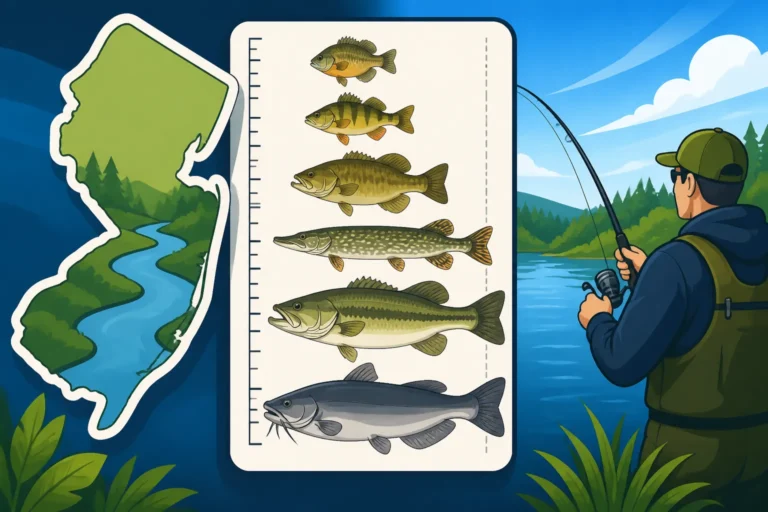
- Freshwater Fish Regulations: For freshwater enthusiasts, this details limits for bass, pike, pickerel, panfish, and other species. The New Jersey Freshwater Fish Size Chart 2026 is invaluable here.
- Trout Regulations: If you're chasing trout, there's a dedicated section for trout seasons, size limits, and special regulations for designated trout waters, including information on the preseason closure.
- General Information: Don't skip over sections on general rules, legal fishing hours, acceptable gear, and definitions of terms that might be new to you.
It's a lot of information, but investing an hour or two to read through the relevant sections will save you potential headaches and fines.
Staying Updated on Regulation Changes
Fishing regulations are not static. They can, and often do, change from year to year, and sometimes even mid-season if emergency measures are needed for conservation. Staying informed is crucial.
- Annual Review: Make it a habit to review the new Digest at the beginning of each license year. Don't assume last year's rules are still valid. For instance, New Jersey Fishing Regulation Changes for 2026 might introduce new slot limits for striped bass or adjusted fluke seasons.
- NJDEP Website & Social Media: The official NJDEP Fish & Wildlife website is your best source for the most current information. They will post updates on regulation changes, emergency closures, and news. Following their social media channels can also provide real-time alerts.
- Local Bait & Tackle Shops: Many local bait and tackle shop owners are deeply embedded in the fishing community and are often very knowledgeable about current regulations and any impending changes. They can be a great resource for clarification.
- New Jersey Can Change Bag Limits Mid-Season: This is an important point, especially for federally managed species like striped bass or fluke. If scientific data indicates a need for stronger conservation, limits can be adjusted even after the season has begun. Always check for announcements before heading out, especially for highly regulated species.
Reciprocal Agreements with Neighboring States
For anglers who live near New Jersey's borders with Pennsylvania, New York, or Delaware, the question of "which license do I need?" can get complicated, especially when fishing shared waterways.
- Delaware River: The Delaware River is a prime example. Depending on where you are on the river, there are New Jersey Fishing License Validity in Delaware Bay Waters and reciprocal agreements. For portions of the Delaware River that form the border with Pennsylvania, there's often a reciprocal agreement. This means that if you possess a valid fishing license from either New Jersey or Pennsylvania, you can legally fish the main stem of the river and its immediate tributaries within certain defined boundaries. This is extremely helpful for anglers like me who live close to the border! Be sure to understand Do You Need Two Licenses to Fish the Delaware River Between New Jersey and Pennsylvania?.
- Other Border Waters: Similar agreements might exist for other border waters like parts of the Delaware Bay or reservoirs shared with neighboring states. However, these agreements can be complex and are often specific to certain sections of the water body.
- Always Verify: The golden rule here is always verify. Do not assume reciprocity. Consult the current New Jersey Fish and Wildlife Digest and potentially the regulations for the neighboring state to ensure you are legally covered. Failing to do so could result in fines from either state's conservation officers. It's much better to be safe than sorry when fishing shared waters.
Disclaimer
Please note that while this guide aims to be comprehensive and accurate based on available information for 2026, fishing regulations and licensing requirements are subject to change by the New Jersey Department of Environmental Protection (NJDEP) Fish & Wildlife. It is always the angler's responsibility to consult the most current official New Jersey Fish and Wildlife Digest or the NJDEP Fish & Wildlife website before fishing to ensure compliance with all laws and regulations. This content is for informational purposes only and does not constitute legal advice.