New Jersey Daily Bag Limits by Species
It's incredibly frustrating to spend a beautiful day on the water, only to wonder if the fish you just reeled in is actually legal to keep. Bag limits can feel like a labyrinth of rules, changing with the seasons, the species, and sometimes even the specific body of water you're fishing. This comprehensive guide is here to untangle the complexities of New Jersey's daily bag limits by species, ensuring you can fish with confidence and stay on the right side of the regulations.
Understanding New Jersey's Daily Bag Limits
Navigating the world of fishing regulations can feel like a full-time job. One minute you're legally allowed to keep a certain number of fish, and the next, a new advisory changes everything. It's enough to make any angler, seasoned or new, throw their hands up in exasperation. But understanding why these limits exist and how they're determined can make them a little less daunting to follow.
Why Bag Limits Exist: Conservation and Sustainability
At their core, daily bag limits are about protection. They're not designed to make your life harder; they're put in place to ensure that our cherished fish populations remain healthy and abundant for generations to come. Imagine if everyone could keep as many fish as they wanted, whenever they wanted. It wouldn't take long for popular species to be severely depleted, impacting the entire ecosystem and eventually, ruining the very sport we love. The New Jersey Division of Fish and Wildlife, along with federal agencies, uses these limits as a vital tool to prevent overfishing and maintain ecological balance. It's a delicate dance between allowing recreational angling and preserving the natural resources that make New Jersey such a fantastic fishing destination.
Every time you adhere to a bag limit, you're directly contributing to the sustainability of the fishery. This means there will be more fish for future outings, more fish for the next generation of anglers, and a healthier environment overall. It’s a collective effort, and every angler plays a crucial role.
How Regulations Are Set: Science and Public Input
The process of setting bag limits is far from arbitrary. It's a rigorous, science-based endeavor spearheaded by the New Jersey Department of Environmental Protection (NJDEP) Division of Fish and Wildlife. Biologists and researchers constantly monitor fish populations, studying their reproductive cycles, growth rates, and overall health. They look at data like spawning success, juvenile survival rates, and angler catch statistics to get a clear picture of how a species is faring.
Beyond the scientific data, there's a significant component of public input, especially for saltwater species that are often managed cooperatively with other states along the Atlantic coast through bodies like the Atlantic States Marine Fisheries Commission (ASMFC). Public hearings and advisory committee meetings are held regularly, giving anglers like us a chance to voice our concerns and provide feedback. It's crucial for us to stay informed and engaged, often by checking the annual Reading the New Jersey Fish and Wildlife Digest to see the proposed and final changes. This collaborative approach helps ensure that regulations are not only biologically sound but also consider the realities and concerns of the fishing community. It's a dynamic process, meaning regulations can, and often do, change year to year, or even mid-season, in response to new data or shifting stock assessments.
Key Terms You Need to Know: Possession vs. Daily Limits
Before we dive into the specifics, it's vital to understand a couple of core terms that often trip anglers up: "daily bag limit" and "possession limit." They sound similar, but there's a critical difference that can save you from a hefty fine.
The daily bag limit refers to the maximum number of fish of a specific species that an individual angler can legally harvest and keep within a 24-hour period, typically from midnight to midnight. So, if the daily bag limit for fluke is 3, you can only keep three fluke in a single day, regardless of how many times you go out or where you fish within that day.
The possession limit, on the other hand, refers to the maximum number of fish of a specific species that an individual can have in their possession at any given time. This includes fish that might be at your home, in your cooler, or on your boat. Often, the possession limit is the same as the daily bag limit. However, there are exceptions, especially for charter or party boat trips that span multiple days, or if you've been fishing for several days in a row and have accumulated fish in your freezer. It’s important to always check the specific regulations, as a "possession limit" might be double the daily limit in some instances, but that doesn't mean you can catch double the daily limit in one day. Always default to the daily bag limit for what you can harvest from the water within a single 24-hour period. Conservation Police Officers often check both.
Saltwater Species Daily Bag Limits
New Jersey's extensive coastline and diverse marine environment offer an incredible array of saltwater fishing opportunities. From the popular beaches to the deep-sea wrecks, there's always something biting. However, with this variety comes a complex set of regulations, particularly for daily bag limits. Let's break down some of the most sought-after saltwater species.
Striped Bass: The Iconic Jersey Shore Challenge
Ah, the striped bass. For many, it's the quintessential Jersey Shore gamefish. But keeping up with striper regulations can feel like trying to catch one with your bare hands – nearly impossible and often frustratingly evasive. The biggest challenge comes from the slot limit system. Instead of just a minimum size, there's both a minimum and maximum length you can keep. As of my last check, for ocean waters, the typical slot limit has been 28 to 31 inches, with a daily bag limit of one fish per person. However, it's crucial to note that the rules for the Delaware Bay can differ, sometimes allowing a slot of 28 to 38 inches. This variation underscores the importance of knowing exactly where you are fishing.
The reason for these slot limits is rooted in conservation. They're designed to protect both the smaller, juvenile fish so they can grow and reproduce, and the larger, older breeding stock, which are vital for future generations. The constant changes in these limits are a direct response to scientific assessments of the overall health of the striped bass population along the Atlantic coast. It can be a real headache to remember, especially when you're excited about a fish, but overlooking these rules can lead to serious penalties. Always have a tape measure handy and know your specific location's rules. For a deeper dive into these rules, you might want to read our guide on the New Jersey Striped Bass Slot Limit Explained and also how it compares to other waters like the Why Is the Delaware Bay Fluke Limit Different From the Rest of New Jersey?.
Fluke (Summer Flounder): A Summer Staple
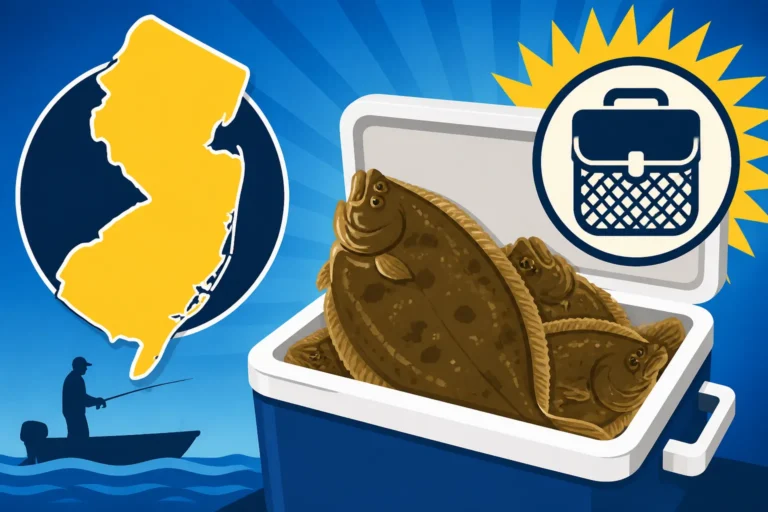
Summer just isn't summer in New Jersey without chasing fluke. These flatfish are not only delicious but also provide fantastic angling action, whether you're drifting the bays or jigging the ocean wrecks. Like striped bass, fluke regulations have seen their share of adjustments. Generally, the statewide size limit for fluke has been 18 inches, with a daily bag limit that can vary, often around 3 to 5 fish per person. However, a significant exception often applies to the Delaware Bay, where the minimum size limit might be slightly smaller, perhaps 17 inches, to account for regional differences in fish growth and fishing pressure.
These nuances mean that if you launch your boat in South Jersey and head into the Delaware Bay, you might be adhering to different rules than if you launched in Barnegat Bay and fished the ocean. It's not uncommon for anglers to get confused, especially when fishing near the borders of these management zones. Always double-check the current regulations before you head out. A quick reference to the New Jersey Fluke Size Limit: 18 Inches and New Jersey Fluke Bag Limit Explained can save you a lot of trouble. And don't forget, the Delaware Bay Fluke Rules vs the Rest of New Jersey outlines specific differences that are critical to know. Carrying a copy of the regulations, or having them accessible on your phone, is highly recommended.
Black Sea Bass: Reef and Wreck Royalty
Black sea bass are another incredibly popular species for New Jersey anglers, especially those who enjoy fishing artificial reefs, wrecks, and rocky bottom structures. They're known for their aggressive bites and excellent table fare. However, their daily bag limits are perhaps some of the most variable throughout the year, changing not just by season but also sometimes by specific management areas or even by the type of gear used. Typically, you'll see a minimum size limit around 12.5 inches, with bag limits ranging from 10 to 15 fish per person, but these numbers can shift dramatically depending on the specific seasonal regulations.
For example, there might be a more generous limit during certain summer months and a stricter limit, or even a closure, during their spawning periods. Keeping up with these changes is paramount. These fluctuations are often due to the species' migratory patterns and their susceptibility to fishing pressure, especially during aggregation times. Before targeting black sea bass, always consult the most recent regulations. Our guide on New Jersey Black Sea Bass Season and Limits can provide a helpful overview, but always verify with the official digest before your trip.
Tautog (Blackfish): The Structure Lovers
Tautog, affectionately known as blackfish, are a challenging and highly rewarding species to target, famous for their powerful fight around rocky structures. They're also a species that grows relatively slowly and are long-lived, which means their populations can be particularly vulnerable to overfishing. Because of this, tautog regulations tend to be among the strictest, with lower daily bag limits and a relatively high minimum size.
Anglers can typically expect a minimum size limit of around 15 inches, with daily bag limits often restricted to just 1 to 2 fish per person, sometimes with seasonal closures. These tight restrictions are a direct reflection of the conservation efforts needed to protect this unique species. It’s not uncommon for anglers to spend a whole day trying to catch just one legal tautog, which speaks to both their challenging nature and the value of each fish. Always be precise with your measurements and count. For more details on these regulations, check out our article on the New Jersey Tautog Season and Size Limit.
Bluefish and Weakfish: Fast Action and Finesse
When it comes to sheer excitement, bluefish are hard to beat. Known for their voracious appetites and aggressive feeding frenzies (often called "bluefish blitzes"), they offer fast action and a strong fight. Luckily, bluefish populations are generally robust, which means their daily bag limits are usually more generous than for other species. You can often keep anywhere from 3 to 10 bluefish, depending on your angler type (recreational vs. for-hire) and specific seasonal rules, with no minimum size for recreational anglers. This makes them a fantastic target for beginners or anyone looking for consistent action. Learn more about their behavior and limits in New Jersey Bluefish Size and Behavior.
Weakfish, on the other hand, tell a different story. Once abundant, weakfish populations have seen a significant decline in recent decades, leading to much stricter regulations. For weakfish, you'll typically find a much lower daily bag limit, often just 1 fish per person, with a minimum size limit usually around 13 inches. These tight limits are a critical part of the ongoing effort to rebuild their stocks. It’s a stark reminder that some species require more protection than others. Our deep dive into the New Jersey Weakfish Bag Limit Explained provides a comprehensive look at these regulations and their conservation implications. When targeting these fish, patience and a keen eye for regulations are your best friends.
Freshwater Species Daily Bag Limits
New Jersey isn't just about saltwater; the state boasts an impressive network of freshwater lakes, rivers, and streams that offer incredible angling experiences. From serene trout streams in the north to vast reservoirs teeming with bass, there's a freshwater challenge for everyone. But just like saltwater, these environments come with their own set of specific daily bag limits designed to protect these inland fisheries.
Trout: From Stocked Streams to Wild Holds
Trout fishing in New Jersey is a beloved tradition, especially during the spring stocking season. The state actively stocks rainbow, brown, and brook trout in numerous waterways, providing ample opportunity for anglers. For these general, stocked waters, the daily bag limit is typically 3 to 5 trout per day, with no minimum size limit, although specific waters might have special regulations. However, the world of trout fishing also includes "Trophy Trout Lakes" or "Seasonal Trout Conservation Areas," which have highly specific rules that can drastically differ from the general regulations.
For example, a Trophy Trout Lake might allow only one fish over a certain size, while a Conservation Area might be entirely catch-and-release, or restrict anglers to only artificial lures and flies with single, barbless hooks. These special regulations are designed to either grow truly large fish or protect delicate wild trout populations. It's easy to get caught out if you don't read the fine print for your chosen spot. Before you even think about keeping a trout, you need to understand the specific rules for that particular body of water. Consulting a guide on New Jersey Trout Fishing Techniques or understanding New Jersey Trout Stamp Requirements Explained is a good first step, but always verify with the official regulations for your specific location.
Largemouth and Smallmouth Bass: The Popular Gamefish
Bass fishing holds a special place in the hearts of many New Jersey anglers. The thrill of a largemouth exploding on a topwater lure or the sheer fight of a river smallmouth is unparalleled. For both largemouth and smallmouth bass, the general statewide daily bag limit is usually 5 fish per person, with a minimum size limit of 12 inches. This means any bass you catch under 12 inches must be immediately released unharmed.
However, like trout, there are important exceptions. Many waters, especially some of the larger reservoirs or designated management areas, might have "catch and release only" seasons, or even year-round catch and release rules. Some lakes might have slot limits (similar to striped bass) where you can only keep fish outside a certain size range, or specific lakes might have higher minimum size limits to encourage the growth of trophy fish. For instance, the renowned waters of Lake Hopatcong or Round Valley Reservoir may have specific rules that vary from the general statewide guidelines. Knowing if you're fishing for Largemouth Bass Fishing in New Jersey or Smallmouth Bass Fishing in New Jersey can also sometimes lead to subtle differences in the rules, especially if one species is particularly sensitive in certain areas. It's crucial to consult the digest for the specific lake or river you plan to fish.
Pickerel and Northern Pike: The Toothy Predators
New Jersey's freshwater systems are also home to some formidable toothy predators: chain pickerel and northern pike. These ambush predators offer exciting fishing, especially in weed-choked lakes and slow-moving rivers. Their regulations are designed to manage their populations and ensure sustainable angling opportunities.
For chain pickerel, which are quite common throughout many of New Jersey's lakes and ponds, the daily bag limit is typically more generous, often set at 5 fish per person with a minimum size limit of 15 inches. They're often considered a good target species for a fun day out, and their numbers are generally stable.
Northern pike, being larger and less numerous, have stricter regulations. You'll typically find a daily bag limit of 2 fish per person, with a more substantial minimum size limit, often around 24 inches. This higher minimum size protects the younger fish, allowing them to grow into trophy specimens that provide exciting challenges for anglers. Since pike are less widespread than pickerel, their conservation is even more critical. Always be cautious when handling these fish due to their sharp teeth, and ensure you have the correct measuring device to confirm legality before retaining any.
Walleye and Muskellunge: Rarer, Larger Targets
Walleye and muskellunge represent the apex predators in some of New Jersey's freshwater systems, offering trophy-level challenges to dedicated anglers. Due to their status as top predators and, in the case of muskies, their very limited numbers and slow growth, their daily bag limits are particularly restrictive.
For walleye, which are found in only a handful of New Jersey waters like Monksville Reservoir or Greenwood Lake, the daily bag limit is typically very conservative, often 3 fish per person, with a minimum size limit around 18 inches. These limits are set to protect their populations and ensure that these desirable fish remain a viable target for anglers.
Muskellunge, or muskies, are the ultimate freshwater trophy. They are stocked in very few New Jersey lakes, such as Lake Hopatcong and Mercer Lake, and are notoriously difficult to catch. Reflecting their rarity and the significant effort required to grow them to trophy size, the daily bag limit is almost universally 1 fish per person, with a very high minimum size limit, often 36 to 40 inches. Many dedicated musky anglers practice catch and release exclusively, recognizing the value of these magnificent fish in the ecosystem. Given their elusive nature and stringent regulations, it’s often said that "muskies are the fish of 10,000 casts," and successfully landing a legal one is a true achievement. For all these species, always consult the current New Jersey Fish and Wildlife Digest before your trip to avoid any misunderstandings.
Other Key Species and General Rules
Beyond the popular gamefish, New Jersey's waters are home to a myriad of other species, each with its own set of rules. It’s also important to understand some overarching regulations that apply to almost all fishing endeavors.
Panfish and Catfish: Fun for All Ages
For many anglers, especially those just starting out or families introducing kids to fishing, panfish and catfish offer consistent action and relatively simple rules. Species like bluegill, crappie, yellow perch, and various catfish (channel, white, brown bullhead) are abundant in many of New Jersey's lakes, ponds, and slow-moving rivers.
The good news here is that regulations for these species are generally very generous. Often, there are either no daily bag limits or very high limits, and minimal or no size restrictions. This is because these species reproduce quickly and are widespread, making them excellent targets for harvesting and a perfect way to fill a cooler for a fish fry. Encouraging their harvest can even help manage pond ecosystems by preventing overpopulation of smaller fish. For more on targeting these species, you can look into our guides on the New Jersey Catfish Species Guide and the New Jersey Crappie Fishing Guide, which often include details on their liberal limits. Just remember, even with generous limits, practicing responsible harvesting is always a good idea to ensure continued healthy populations.
Crab and Lobster Regulations
New Jersey isn't just about finfish; crabbing is a hugely popular activity, especially along the extensive tidal marshes and bays of the coast. Blue claw crabs are the primary target, and while they don't require a specific license for recreational crabbing, they do have very specific daily bag limits and size restrictions, as well as rules about keeping female crabs. Typically, recreational crabbers might be limited to a bushel per day, with specific minimum carapace (shell) measurements, and restrictions against keeping "sponge crabs" (females carrying eggs). These rules are vital for protecting the breeding stock. Our guide on New Jersey Crabbing License Requirements further explains these nuances.
Lobster, on the other hand, is a much stricter affair for recreational anglers. Generally, you cannot harvest American lobster recreationally in New Jersey unless you possess a highly specific, limited-entry permit from the state, which is extremely difficult to obtain. Most recreational encounters with lobsters (usually in pots or traps set for other species) require immediate release. Attempting to keep a lobster without the proper permits can result in significant fines. So, unless you've gone through the rigorous process to acquire a special permit, assume lobster is strictly catch-and-release.
Important Considerations: Filleting at Sea, Possession Limits
Beyond the specific species limits, there are some overarching regulations that every angler needs to be aware of. One of the most critical is the rule regarding filleting fish at sea or on the water. For most regulated species, particularly those with minimum size or slot limits, it is illegal to fillet or otherwise mutilate a fish until you have returned to shore or the dock. The reason for this is simple: conservation officers need to be able to identify the species and measure the fish to ensure it meets the legal size and bag limit requirements. If you've already filleted the fish, identification and measurement become impossible, making it a violation. There are very few exceptions to this rule, and they are usually specific to certain species that have no size limits (like mackerel) or specific vessel types. Always keep your fish whole until you're back on land.
While we touched on possession limits earlier, it bears repeating: your possession limit might occasionally differ from your daily bag limit. The daily bag limit is what you can catch in a 24-hour period. Your possession limit is what you can have in your cooler, freezer, or on your boat at any time. For example, if you go out for two days of fishing, your possession limit at the end of the second day might be double the daily bag limit (if allowed), but you still couldn't catch that amount in a single day. Always understand which limit applies to your current situation to avoid running afoul of the law.
Staying Compliant and Avoiding Penalties
Fishing in New Jersey is a privilege, and with that comes the responsibility of understanding and adhering to the regulations. It's not just about avoiding fines; it's about being a good steward of our natural resources. Ignorance of the law is never an excuse, and Conservation Police Officers are out on the water year-round to ensure compliance.
The Importance of the New Jersey Fish and Wildlife Digest
If there's one single resource every New Jersey angler needs to consult, it's the New Jersey Fish and Wildlife Digest. This is the official, comprehensive guide to all hunting and fishing regulations in the state. It details every bag limit, size limit, season opening and closing date, and special regulation for every species and every body of water. You can find it online through the NJDEP Division of Fish and Wildlife website, or pick up a physical copy at bait and tackle shops, Walmart, or other retailers across the state. In fact, many anglers make it a point to grab a fresh copy each year, sometimes even purchasing a laminated version from retailers found on Amazon that helps them quickly reference the rules when out on the water.
Relying on old information, hearsay, or what someone else told you at the boat ramp is a recipe for trouble. Regulations can, and often do, change year to year, sometimes even mid-season, especially for federally managed species like striped bass. The Digest is updated annually and often includes interim updates online. Always make it your primary source of information. Our article on Reading the New Jersey Fish and Wildlife Digest is a great companion piece to help you understand how to navigate this essential document.
Conservation Police Officers and Inspections
You're out on the water, having a great day, when suddenly you see a boat approaching with "NJ State Police" or "Conservation Police" emblazoned on the side. This is a common occurrence, and it's essential to understand that these officers have the authority to conduct inspections. They are dedicated professionals whose job it is to protect our natural resources and ensure everyone is following the rules.
When approached by a Conservation Police Officer, it's crucial to be courteous, cooperative, and respectful. They will typically ask to see your fishing license, your saltwater registry confirmation (if applicable), and may ask to inspect your catch. They have the right to measure fish, count them, and ensure all regulations are being followed. Anglers are expected to not only know the rules but also to have their licenses and permits readily available for inspection, whether it's a physical copy or a digital one on your phone. Don't try to hide fish or argue; it will only make things worse. Compliance and cooperation are key. Our guide on New Jersey Conservation Police and License Checks provides more context on what to expect during these encounters.
Penalties for Violations: What's at Stake
Fishing without a proper license or violating bag and size limits isn't just a minor inconvenience; it carries significant legal consequences. Penalties can range from substantial monetary fines to the loss of your fishing privileges, and in some severe cases, even the confiscation of your fishing equipment or boat. The exact penalty depends on the severity of the violation, whether it's a first offense, and the species involved (some species have higher penalties due to their conservation status).
For example, getting caught with undersized fluke or over the bag limit for striped bass can easily result in fines of several hundred dollars, plus court costs. Repeated offenses lead to even harsher penalties, potentially including a suspension of your fishing license for an extended period, meaning you won't be able to fish legally in New Jersey at all. It's a risk simply not worth taking. The cost of a fishing license and the time it takes to review the regulations pales in comparison to the financial and legal repercussions of a violation. For a stark reminder of what's at stake, you might want to read What Happens If You Get Caught Fishing Without a License in New Jersey?. Stay informed, stay compliant, and enjoy the incredible fishing New Jersey has to offer responsibly.
New Jersey Daily Bag Limits Summary Table
Understanding all the various limits can be tough, so here's a simplified table for some of the most popular species. Please remember that these are general guidelines and regulations are subject to change. Always consult the current New Jersey Fish and Wildlife Digest for the most up-to-date and specific rules for your fishing location.
| Species | Minimum Size (Approx.) | Daily Bag Limit (Approx.) | Key Considerations |
|---|---|---|---|
| Saltwater | |||
| Striped Bass (Ocean) | 28 inches | 1 fish | Slot limit often applies (e.g., 28-31 inches); Delaware Bay rules may differ. Must be kept whole. |
| Fluke (Summer Flounder) | 18 inches | 3-5 fish | Varies by season/area (e.g., Delaware Bay 17 inches); check specific zone rules. Must be kept whole. |
| Black Sea Bass | 12.5 inches | 10-15 fish | Highly variable by season/area. |
| Tautog (Blackfish) | 15 inches | 1-2 fish | Strict limits due to slow growth; seasonal closures. |
| Bluefish | No min. size | 3-10 fish | Varies by angler type; generally generous. |
| Weakfish | 13 inches | 1 fish | Strict limit due to population decline. |
| Freshwater | |||
| Trout (Stocked) | No min. size | 3-5 fish | Special limits for "Trophy Trout Lakes" and "Conservation Areas." |
| Largemouth Bass | 12 inches | 5 fish | Catch-and-release only seasons/areas may exist. |
| Smallmouth Bass | 12 inches | 5 fish | Catch-and-release only seasons/areas may exist. |
| Chain Pickerel | 15 inches | 5 fish | |
| Northern Pike | 24 inches | 2 fish | |
| Walleye | 18 inches | 3 fish | Limited waters; check specific lake rules. |
| Muskellunge | 36-40 inches | 1 fish | Very limited waters; often catch and release. |
| Catfish / Panfish | No min. size | No limit or generous | Consult digest for specific waterbody exceptions. |
| Blue Claw Crabs | 4.5 inches | 1 bushel | Must release females with eggs; check specific sizes. |
This table is for general informational purposes only and does not constitute legal advice. Always refer to the most current New Jersey Fish and Wildlife Digest for accurate regulations.
Disclaimer
The information provided in this guide is intended for general informational purposes only and is subject to change. While we strive to offer the most accurate and up-to-date details, fishing regulations in New Jersey are complex and frequently updated by the New Jersey Department of Environmental Protection (NJDEP) Division of Fish and Wildlife. It is the individual angler's responsibility to consult the current official New Jersey Fish and Wildlife Digest before engaging in any fishing activities to ensure full compliance with all applicable laws and regulations. Failure to do so may result in penalties.