Striped Bass Fishing in New Jersey
Ah, the mighty striped bass! If you've spent any time on the New Jersey coast or its tidal rivers, you know the absolute thrill of chasing these powerful fish. There's nothing quite like the sudden thud of a striper hitting your lure or bait, followed by a screaming drag as it tears off into the current. But let's be honest, successfully targeting stripers in New Jersey isn't always easy. They're a migratory species, constantly on the move, and their behavior can change with the tides, weather, and time of year. This guide is here to cut through the confusion and arm you with the knowledge you need to consistently find and catch striped bass in the Garden State, no matter if you're casting from the beach, a jetty, or a boat.
Understanding New Jersey Striped Bass
Before you even cast a line, it helps to understand a bit about the fish you're targeting. Striped bass, often affectionately called "stripers" or "rockfish" by many anglers, are one of the most iconic and sought-after game fish in New Jersey waters. Their sheer power and impressive size make them a truly formidable opponent, and a worthy prize for any angler.
Striped Bass Biology and Appearance
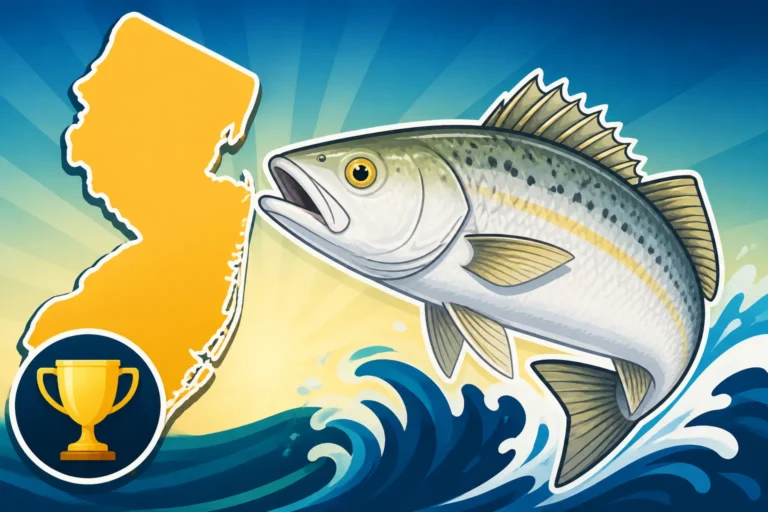
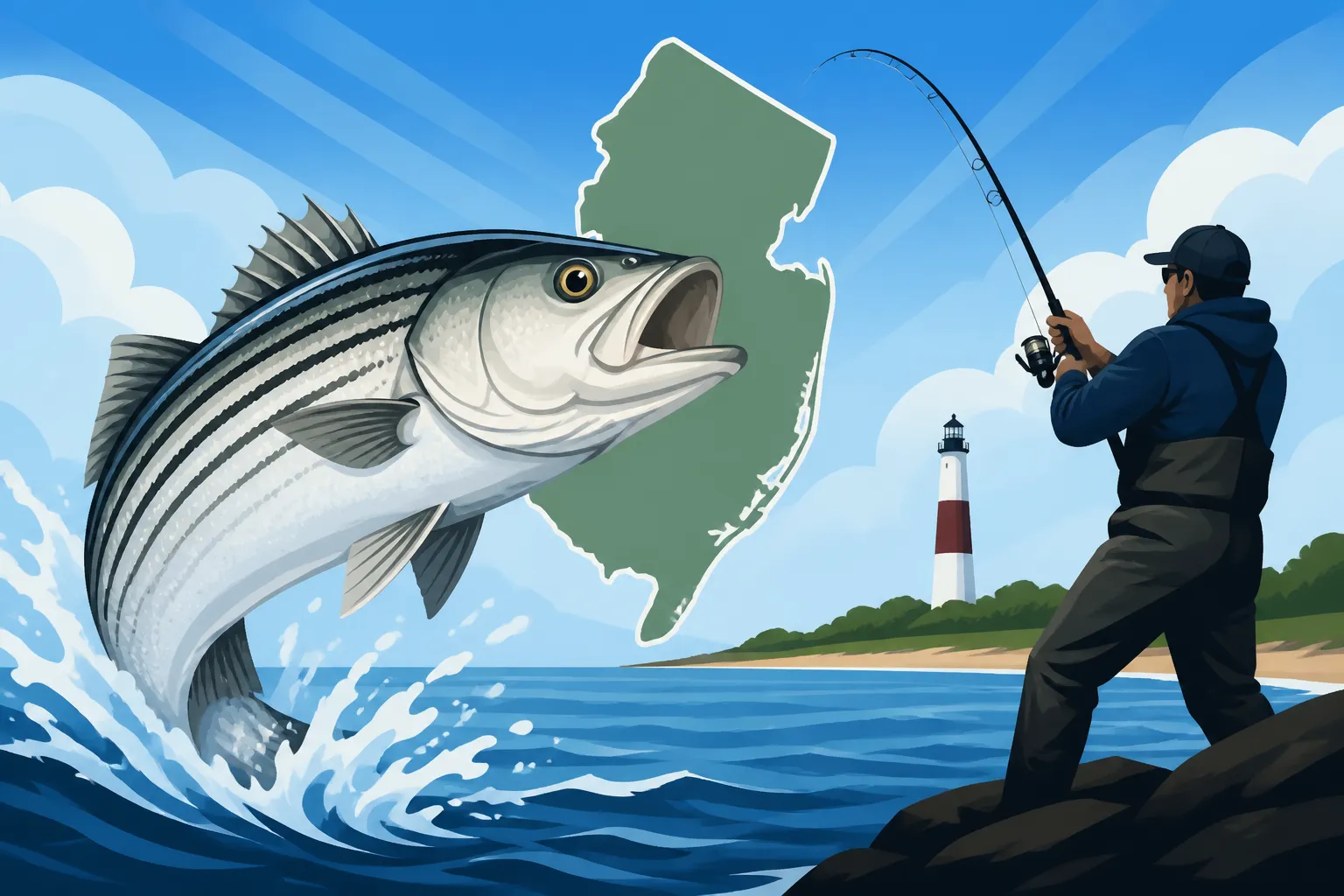
Striped bass ( Morone saxatilis) are instantly recognizable by the distinct, horizontal black stripes running along their silver-white bodies. These stripes typically number seven or eight, though it can vary slightly, and they help these fish camouflage themselves in various underwater environments. Their body shape is streamlined and powerful, perfectly adapted for bursts of speed and navigating strong currents. They possess a large mouth, well-suited for engulfing prey, and strong, forked tails that propel them through the water with incredible force. While their average size in New Jersey can vary greatly depending on the season and location, from schoolie stripers in the 18-24 inch range to true cows exceeding 40 pounds, their fighting spirit remains consistent across all sizes. How Big Do Striped Bass Get?
These are anadromous fish, which is a fancy way of saying they spend most of their adult lives in saltwater but return to freshwater rivers to spawn. This incredible life cycle means they can be found in a wide variety of habitats, from the surf zone along the Atlantic Ocean to brackish bays and even far up into the freshwater sections of tidal rivers. They are incredibly adaptable, tolerating a wide range of water temperatures and salinities, which contributes to their widespread presence along the East Coast. Their lifespan can be quite long, with some fish living for over 30 years, growing steadily throughout their lives. This longevity, coupled with their annual migrations, makes them a truly fascinating species to pursue.
Migration Patterns and Seasonal Movements
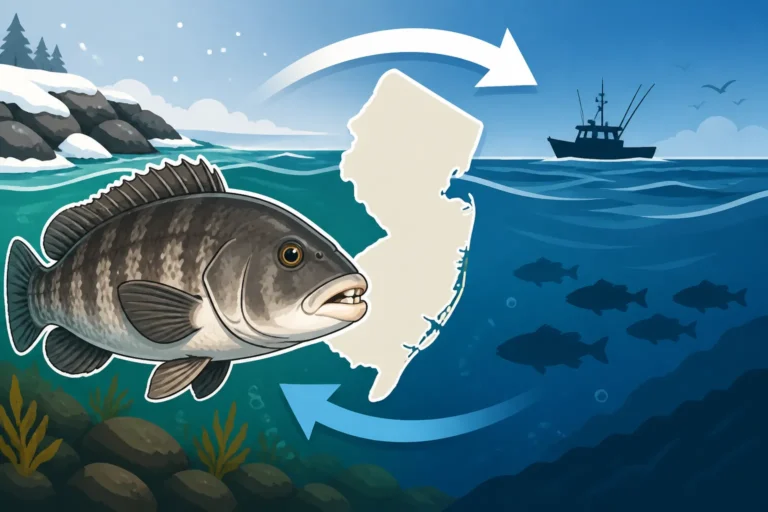
The life of a New Jersey striped bass is defined by movement. They are highly migratory, undertaking epic journeys along the Atlantic coast. The most famous of these movements are the "spring run" and the "fall run," which bring immense excitement to our waters. During the spring, typically from April into early June, stripers migrate north from their major spawning grounds in the Chesapeake Bay and Delaware River. These fish are often hungry after spawning and are eager to feed as they move up the coast, making them accessible in New Jersey's bays and along the oceanfront. This is when you'll find them pushing into tidal rivers and estuaries looking for an easy meal.
As summer settles in, many of the larger migratory bass move north to cooler waters off New England, but New Jersey retains a healthy population of "resident" stripers. These fish, often smaller "schoolies" and mid-sized bass, will hold in our bays, inlets, and nearshore ocean structure throughout the warmer months. They're not as actively migrating, but they still provide fantastic fishing opportunities. Then, as the days shorten and the water cools in fall (October through December), the famous "fall run" truly kicks into gear. This is when huge schools of stripers, both from the north and those moving south from New England, descend upon the New Jersey coast, gorging themselves on baitfish before heading to their wintering grounds. When Do Striped Bass Migrate Through New Jersey? It's a truly spectacular time to be an angler, with blitzing fish and consistent action. Understanding the difference between these migratory patterns and localized resident fish movements is key to consistent success. What Is a Resident Striped Bass vs a Migratory Striped Bass?
What Do Striped Bass Eat? Their Forage Base
Striped bass are opportunistic and voracious predators, and their diet heavily influences where and when you'll find them. They are primarily piscivores, meaning they mostly eat other fish, but they won't pass up a tasty crab or clam. Along the New Jersey coast, the most important forage species is undoubtedly menhaden, commonly known as "bunker." These oily baitfish often congregate in massive schools in our bays and along the oceanfront, and where you find bunker, you're almost guaranteed to find stripers. Mullet, particularly during their fall migration out of the back bays, are another prime food source that draws stripers close to the surf.
Beyond bunker and mullet, stripers will feast on a variety of other prey. In the spring and early summer, spearing and anchovies are common, especially in the calmer bay waters. During the fall, sand eels (often called "sand worms" by anglers) can be a major food source in the surf, leading to intense feeding frenzies. Crabs, especially shedder crabs, can be a tempting treat for stripers foraging around structure. In the deeper waters offshore or in certain inlets, squid and even eels can be on their menu. Knowing what baitfish are prevalent in a given area at a specific time of year, and trying to "match the hatch" with your lures or bait, is a fundamental strategy for successful striped bass fishing.
Where to Find Striped Bass in New Jersey
New Jersey offers an incredible diversity of habitats for striped bass, from the pounding surf to serene back bays and bustling river mouths. Each type of location presents its own challenges and rewards, and understanding them will greatly increase your chances of finding fish.
Coastal Waters and Beaches (Surf Fishing)
Surf fishing for striped bass along the New Jersey coast is a time-honored tradition and, for many, the purest form of striper fishing. The sheer expanse of our beaches provides endless opportunities, but also requires a bit of detective work to find productive spots. Stripers patrol the surf zone looking for baitfish that are pushed by the waves and currents. Look for areas with natural structure that creates eddies, rips, and depressions where baitfish can congregate or become disoriented. Common hotspots include sloughs (deeper troughs parallel to the beach), cuts (breaks in the sandbar), and sudden changes in depth. Where to Surf Fish for Striped Bass in New Jersey
Beyond the natural contours of the sand, man-made structures are absolute magnets for stripers. Jetties, rock piles, and even old pilings break up the current, providing ambush points and shelter for baitfish. Iconic locations like Island Beach State Park, the Raritan Bay beaches, and the jetties of Long Beach Island are famous for good reason. Fishing near the tips of jetties can be particularly productive as they extend into deeper water and often create strong currents that draw bait and predators alike. While it can be a challenging endeavor, battling a big striper in the surf, with the waves crashing around you, is an experience that keeps anglers coming back year after year. Best New Jersey Jetties for Striped Bass in Fall
Bays and Estuaries (Boat and Shore Access)
New Jersey's vast network of bays and estuaries provides crucial habitat for striped bass, especially during the spring and early summer, and for resident populations throughout the year. These calmer, often shallower waters are teeming with baitfish, making them ideal feeding grounds. Raritan Bay, with its abundant bunker schools and proximity to the larger migrations, is legendary for its spring striper bite. Barnegat Bay and Great Egg Harbor Bay are also prime locations, offering extensive flats, channels, and marshy areas where stripers can be found. Raritan Bay Striped Bass Spots, Barnegat Bay Bluefish and Fluke Spots
Fishing in bays can be done from a boat, kayak, or from numerous shore access points, piers, and bulkheads. On a boat, you have the advantage of covering more ground, chasing bait schools, and working deeper channels. Shore anglers can target docks, bridges, and points of land that extend into the water. Tidal rivers that feed into these bays, such as the Mullica River, Toms River, and Navesink River, are vital nursery areas for juvenile stripers and often hold good numbers of fish, particularly in the spring when they move upstream. These river systems provide both shelter and a consistent food source, making them excellent spots for anglers who prefer a more sheltered fishing experience.
Inlets and River Mouths (High Traffic Zones)
Inlets and river mouths are natural choke points where ocean currents meet bay tides, creating dynamic environments that are incredibly attractive to striped bass. The constant movement of water funnels baitfish through these areas, turning them into high-traffic feeding zones for predators. New Jersey boasts several renowned inlets that are striper magnets, including Manasquan Inlet, Point Pleasant Canal, and Shark River Inlet. These areas feature deep channels, rocky jetties, and strong currents that make them ideal for both boat and shore anglers.
Fishing an inlet requires a good understanding of the tides and currents. Stripers often stack up in the rips and eddies created by these structures, waiting for an easy meal to be swept past. Many anglers target the tips of the jetties, casting into the deeper water or along the current lines. From a boat, you might drift with the tide, jigging or livelining bait. The sheer volume of baitfish and the strong currents mean that when the bite is on, it can be absolutely phenomenal. These spots can also hold some of the largest stripers, as they are key ambush points for large migratory fish. Just remember that these areas can be crowded, especially during peak seasons, so good etiquette and awareness are essential. Manasquan Inlet Striped Bass Fishing Guide
When to Fish for Striped Bass in New Jersey
Timing is everything when it comes to striped bass fishing. Understanding their seasonal movements, as well as the daily influence of tides and weather, can make the difference between a memorable day and a frustrating one.
Understanding the Spring and Fall Runs
The "runs" are the periods of most intense striped bass activity in New Jersey, driven by their migratory patterns. The spring run, typically from April through early June, sees stripers moving north along the coast after spawning. They are hungry and actively feeding, often pushing into the bays and tidal rivers. This is a fantastic time to target them in Raritan Bay, where large schools of bunker attract big bass. The surf also heats up as these fish push closer to shore. Fish tend to be found in shallower, warmer waters during this time, often near river mouths or areas with abundant bait.
The fall run, from roughly October into December, is often considered the peak season for many New Jersey anglers. This is when vast numbers of stripers, both local and those migrating south from New colder waters, descend upon the New Jersey coastline. They are intensely focused on fattening up for the winter, chasing schools of mullet and bunker along the beaches and in the inlets. When Do Striped Bass Migrate Through New Jersey? The action can be explosive, with massive blitzes of stripers pushing bait to the surface. Both runs offer incredible opportunities, but they require different strategies due to the fish's location and feeding behavior. Knowing which run you're fishing and adjusting your approach accordingly is key. Best Month to Catch Striped Bass in New Jersey
The Impact of Tides and Moon Phases
For saltwater anglers, especially those targeting striped bass, understanding the tides is paramount. Stripers are highly influenced by moving water. As the tide moves in or out, it creates currents that dislodge baitfish, concentrate them in certain areas, and provide ambush points for predators. Generally, moving water—both the incoming (flood) and outgoing (ebb) tides—is best. Slack tide, when the water movement is minimal, can often be slower for striper fishing, though there are exceptions.
The incoming tide often pushes baitfish into bays and estuaries, and can bring stripers closer to shore in the surf. The outgoing tide can draw bait out of the backwaters, concentrating them at inlet mouths or along the edges of channels, where stripers will be waiting. Stronger tides, often associated with new or full moon phases, create more pronounced currents and can lead to more aggressive feeding. Conversely, weaker tides during quarter moon phases might mean less current, requiring different fishing tactics. Learning to read a tide chart and understanding how currents affect your specific fishing location will dramatically improve your success. Best Tide for Surf Fishing Striped Bass
Optimal Time of Day and Water Temperatures
While stripers can be caught at any time of day, certain periods are generally more productive. Dawn and dusk are prime feeding windows. The low light conditions give stripers an advantage over their prey, and they often become more active as the sun rises or sets. Night fishing is also incredibly effective for striped bass, especially for larger fish and during warmer months when they might be more wary in daylight. How to Catch Striped Bass From the Beach at Night Many trophy stripers are caught under the cover of darkness. The artificial light from docks or bridges can also attract baitfish, creating feeding opportunities at night.
Water temperature is another critical factor. Striped bass are cold-blooded, and their metabolism and activity levels are directly linked to water temperature. Their preferred feeding range is generally between 55 and 68 degrees Fahrenheit. In the spring, they'll push into warmer, shallower waters to feed. In the summer, they might seek out deeper, cooler water or become more active at night to avoid the heat. During the fall run, falling water temperatures trigger their intense feeding drive. Paying attention to local water temperature readings can give you a significant edge in locating active fish. Best Water Temperature for Striped Bass Fishing If the water is too cold, they become sluggish; too warm, and they can be lethargic or seek thermal refuge.
Essential Gear for New Jersey Striped Bass Fishing
Having the right tackle can make all the difference, especially when a big striper decides to test your resolve. You don't need to break the bank, but investing in quality, durable gear suited for saltwater conditions is crucial.
Rods, Reels, and Line
Choosing the right rod, reel, and line setup depends heavily on where and how you plan to fish for stripers.
For surf fishing, a longer rod is typically preferred, ranging from 9 to 12 feet. This length allows for longer casts to reach distant sandbars and rips. A medium-heavy to heavy power rod with a moderate-fast action will give you the backbone to cast heavy lures or bait, yet enough flex to fight a strong fish. Pair this with a robust spinning reel in the 6000-8000 size range, capable of holding several hundred yards of line and boasting a smooth, powerful drag system.
For boat or jetty fishing, a shorter, more powerful rod (7-9 feet) might be more appropriate. A medium-heavy conventional or spinning rod will offer excellent leverage and control. Reels for boat fishing can range from 4000-6000 series spinning reels for lighter applications to conventional reels for jigging or trolling heavier baits. Regardless of your choice, ensure your reels are rated for saltwater use to resist corrosion.
When it comes to line, braided line has become incredibly popular for its strength-to-diameter ratio and lack of stretch, which enhances sensitivity. For most striper applications, 30 to 50 lb braided line is a good choice. This allows for long casts and powerful hooksets. Always tie on a fluorocarbon or monofilament leader, typically 30-50 lb test, to provide abrasion resistance against sharp teeth and structure, and to offer some shock absorption. Leader length can vary from a few feet to over six feet, depending on the technique. You can find a good selection of quality braided line and leader material on platforms like Amazon. What Pound Test Line for Surf Fishing
Lures, Baits, and Terminal Tackle
The world of striper lures and baits is vast, but a few standbys should always be in your tackle bag. For lures, topwater plugs like poppers and pencil poppers are exhilarating when stripers are actively feeding on the surface. Subsurface options include swim shads (soft plastic paddletails), metal lip swimmers, and spooks, which imitate baitfish. And, of course, the classic bucktail jig is an absolute must-have in various sizes and colors – it's incredibly versatile and effective. Metal casting lures (like diamond jigs) are also great for long casts or when fish are holding deep.
For bait fishing, fresh bunker (menhaden) is king. It can be fished whole or in chunks. Fresh surf clams, especially in the spring, are incredibly effective in the wash. Live eels are another top choice, particularly for larger, nocturnal stripers. Bloodworms and sandworms can be deadly for smaller stripers in bays and rivers.
Your terminal tackle needs to be strong and reliable. This includes a variety of hooks (circle hooks are now mandatory for bait fishing in New Jersey for striped bass!), swivels, snap swivels, and sinkers. Make sure your hooks are sharp and appropriately sized for your bait. A good assortment of pyramid sinkers (for surf fishing) and bank sinkers (for boat fishing) will cover most situations. Always carry extra leader material; fluorocarbon is often preferred for its invisibility underwater. You can typically find all these essential terminal tackle components, from hooks to sinkers, on Amazon.
Waders, Apparel, and Accessories
Comfort and safety are just as important as your fishing gear. For surf fishing, a good pair of waterproof chest waders is essential, even in warmer weather, to stay dry from the waves. Wading boots with good grip are crucial for navigating slippery rocks and sand. Layered clothing is always a smart choice, allowing you to adapt to changing weather conditions, especially during the spring and fall runs when temperatures can fluctuate dramatically. How to Layer Clothing for Late-Fall Surf Fishing
Beyond clothing, a few key accessories will make your trip smoother:
- Pliers: Heavy-duty, corrosion-resistant pliers for cutting line, crimping leaders, and safely removing hooks.
- Headlamp: Absolutely critical for night fishing or early morning setups.
- Tackle Bag or Backpack: To keep your lures, terminal tackle, and other essentials organized and accessible.
- Measuring Device: A tape measure or board to ensure your catch meets legal size requirements.
- Cooler: To keep your bait fresh and, if you're keeping fish, to ice them down quickly for optimal freshness.
- First Aid Kit: Always a good idea for minor cuts and scrapes.
- Knife: A sharp fillet knife is handy for processing your catch quickly and efficiently.
Effective Techniques for Catching Striped Bass
Striped bass are highly adaptable predators, which means anglers need to be adaptable in their techniques. Whether you prefer throwing lures or soaking bait, there's a method for every situation.
Bait Fishing Strategies
Bait fishing is a highly effective way to target striped bass, often appealing to anglers who prefer a more relaxed approach or are targeting larger, less active fish.
Chunking involves using pieces of fresh baitfish, most commonly bunker (menhaden), to attract stripers. From a boat, you might anchor upcurrent of a likely spot and deploy a chum slick of ground bunker while fishing chunks on the bottom or suspended in the water column. From the surf, chunks of bunker or fresh clam can be cast out with a fish finder rig, allowing the bait to sit on the bottom where stripers patrol. The scent trail from the chunks is incredibly effective at drawing fish in.
Bottom fishing with baits like fresh clams or bloodworms is particularly deadly in bays and rivers, especially in the spring. A simple fish finder rig, or a high-low rig, allows your bait to be presented naturally near the bottom. This method is excellent for catching "schoolie" stripers, but larger fish will also readily take these offerings. Just be mindful of light tackle if using worms, as a big striper can easily snap lighter lines.
Livelining is perhaps the most exciting bait fishing technique, especially for larger stripers. This involves presenting a live baitfish, such as a bunker or a legal-sized spot, to patrolling stripers. From a boat, you might slow-troll a live bunker or drift it with the current around structure or over bait schools. From shore, you can rig a live eel or bunker to drift out from a jetty or bridge piling. The frantic swimming of a live baitfish is often irresistible to a hungry striper. How to Rig Live Bait for Striped Bass Remember, New Jersey now mandates the use of non-offset (inline) circle hooks when fishing for striped bass with bait, to minimize gut-hooking and improve survival of released fish.
Lure Fishing Tactics
Lure fishing is an active and engaging way to target striped bass, requiring constant casting, retrieving, and often a bit of intuition to match the lure to the conditions.
Topwater lures, like poppers and pencil poppers, create a commotion on the surface that mimics a struggling baitfish. These are fantastic when stripers are actively feeding on schools of bait near the surface, often during dawn, dusk, or a full-blown "blitz." The visual strike of a striper exploding on a topwater plug is one of the most exciting experiences in fishing. Work these lures with a "walk-the-dog" retrieve for pencil poppers or a "pop-and-pause" retrieve for cup-faced poppers.
Subsurface lures cover a wide range of options. Soft plastic swim shads, rigged on a jig head, are incredibly versatile. They can be retrieved steadily, jigged, or bounced along the bottom, imitating a variety of baitfish. Metal lip swimming plugs imitate larger baitfish and have a seductive wobble. They are particularly effective when retrieved slowly at night or in areas with strong current.
The bucktail jig is arguably the most iconic and effective striper lure in New Jersey. Available in various weights and colors, bucktails can be jigged vertically, cast and retrieved with a bounce along the bottom, or even tipped with a piece of pork rind or soft plastic for added attraction. Learning how to properly work a bucktail—making it "swim" and dart—is a skill that will consistently catch stripers from the surf, inlets, and boats. How to Jig for Striped Bass, Bucktail Jigging Techniques for New Jersey Anglers Metal jigs (like diamond jigs) are also excellent for reaching deep water or when stripers are busting bait far offshore.
Trolling and Live Bait Techniques from a Boat
For boat anglers, trolling is a highly effective way to cover large areas and locate schools of striped bass, especially offshore or in vast bay systems like Raritan Bay. Trolling allows you to present multiple lures or baits at various depths and speeds. Popular trolling rigs include umbrella rigs, which imitate a school of baitfish, and Mojos or bunker spoons, which are designed to be fished deep and imitate larger bunker. These rigs can be incredibly effective at targeting big migratory bass.
Another powerful boat technique is live bait fishing, where you use your boat's electronics to locate schools of baitfish (often bunker), then position your boat to either anchor or drift among them. You then deploy live bunker, eels, or other prime baits, often rigged on a circle hook with a minimal amount of weight, allowing them to swim naturally near the bait school. This technique capitalizes on the stripers' natural hunting instincts and can lead to explosive strikes. When chasing these moving schools, the mobility of a boat is invaluable, allowing you to quickly reposition and stay on the fish as they move. Using a good fish finder is critical for spotting bait and the stripers underneath them.
| Fishing Method | Primary Location | Target Fish Size | Best Season | Pros | Cons |
|---|---|---|---|---|---|
| Surf Fishing | Beaches, Jetties | Schoolie to Trophy | Fall & Spring | Accessible to all, exciting fight, pure experience | Weather dependent, long casts needed, often requires wading |
| Bay/River Fishing | Estuaries, Rivers | Schoolie to Mid-Size | Spring & Summer | Calm waters, good for families, consistent action | Can be crowded, shallower waters |
| Inlet Fishing | Inlets, River Mouths | Mid-Size to Trophy | Fall & Spring | Strong currents concentrate fish, high action | Can be dangerous, very crowded, strong currents require heavy tackle |
| Boat Trolling | Open Bay, Nearshore Ocean | Mid-Size to Trophy | Fall & Spring | Covers large areas, effective for large schools | Requires boat, more complex gear, fuel costs |
| Boat Livelining | Open Bay, Nearshore Ocean | Trophy | Fall & Spring | Highly effective for large fish, intense strikes | Requires live bait, can be time-consuming to acquire bait |
New Jersey Striped Bass Regulations and Conservation
Regulations for striped bass are crucial for managing this valuable resource and ensuring healthy populations for future generations. It's imperative for every angler to know and follow the rules, as they can change.
Understanding Slot Limits and Bag Limits
New Jersey, like other Atlantic coastal states, employs a "slot limit" for striped bass. This means that you can only keep fish that fall within a very specific size range, measured from the tip of the nose to the tip of the tail. The purpose of a slot limit is to protect both the smallest, juvenile fish (allowing them to grow and mature) and the largest, most prolific spawning females (allowing them to reproduce). The exact dimensions of the slot limit and the daily bag limit (how many fish you can keep per person per day) are subject to change based on scientific assessments and management goals. For example, in recent years, the slot limit has been in the range of 28 to 31 inches, with a bag limit of one fish per person per day. New Jersey Striped Bass Slot Limit: 28 to 38 Inches
It is your responsibility as an angler to check the most current regulations issued by the New Jersey Division of Fish and Wildlife before you go fishing. These regulations are typically updated annually and can be found on the NJDEP Fish and Wildlife website or in their digest. Keeping a fish outside the legal slot or exceeding the bag limit can result in significant fines and penalties. While it can be frustrating to release a beautiful fish that's just an inch too long or too short, remember that these rules are in place to ensure the long-term health of the striped bass fishery, which benefits all of us. New Jersey Daily Bag Limits by Species
Circle Hook Requirements and Release Practices
A major regulatory change impacting striped bass fishing in New Jersey is the mandatory use of non-offset (inline) circle hooks when fishing with bait. This rule was implemented to significantly reduce "gut hooking" or "deep hooking" of striped bass, which greatly increases mortality rates for released fish. Circle hooks are designed to hook fish in the corner of the mouth, making for an easier, safer release. When using circle hooks, resist the urge to set the hook hard like you would with a J-hook. Instead, let the fish take the bait, then slowly apply pressure until the line comes tight and the hook finds its place. New Jersey Circle Hook Requirements for Bait Fishing
Beyond using circle hooks, practicing proper catch and release techniques is vital for the survival of released stripers, especially those outside the slot limit or when you've reached your bag limit. Here are some key tips:
- Minimize Handling: Keep the fish in the water as much as possible. Avoid dragging it onto sand or rocks.
- Support the Fish: If you must lift the fish for a quick photo, support its body horizontally with two hands (one under the head, one under the tail) to protect its internal organs. Never hold a large striper vertically by its jaw.
- Use Wet Hands: Always wet your hands before touching the fish to protect its protective slime coat.
- Remove Hook Quickly: Use pliers or a dehooking tool to remove the hook as gently and quickly as possible.
- Revive If Needed: If the fish seems sluggish, hold it gently in the water, facing into the current, until it regains its strength and swims away on its own.
Conservation Efforts and the Future of Striped Bass
Striped bass populations have faced challenges over the years, leading to increased conservation efforts. State and federal agencies, like the Atlantic States Marine Fisheries Commission (ASMFC), work tirelessly to monitor populations, conduct research, and set harvest limits that promote sustainable fishing. These efforts are crucial because striped bass are so important both ecologically and economically. Anglers play a critical role in these conservation efforts, not just by following regulations, but also by participating in surveys, reporting violations, and supporting organizations dedicated to marine conservation. New Jersey Recreational Fishing Survey: Why You Might Get a Call
The future of striped bass fishing in New Jersey depends on continued vigilance and responsible angling. This includes advocating for habitat protection, educating fellow anglers, and making informed decisions about keeping or releasing fish. Every time you release an out-of-slot fish healthy, you're contributing directly to the future of the fishery. Understanding that regulations are in place for the long-term health of the species, even when they seem restrictive, is key to being a responsible and successful angler in New Jersey.
Safety Tips for Striped Bass Anglers
Fishing for striped bass, especially in the surf or from jetties, can be an exhilarating experience, but it also comes with inherent risks. Your safety, and the safety of those around you, should always be your top priority.
Water and Weather Safety
The ocean and large bays can be unpredictable environments. Always check the marine weather forecast before heading out, paying close attention to wind speed and direction, wave height, and any advisories. A calm day can turn rough quickly. For surf anglers, understanding tides and currents is vital. Rogue waves can appear out of nowhere and pull you off your feet or into deeper water. Never turn your back on the ocean. Be aware of rip currents, which can swiftly pull you offshore – learn how to identify them and how to escape one if caught.
If fishing from jetties or rocky areas, exercise extreme caution. These surfaces can be incredibly slippery due to algae and seaweed, even on dry days. Wear appropriate footwear with good traction, and consider using a wading staff for added stability. Never fish alone in potentially hazardous conditions, and always tell someone where you're going and when you expect to return. Dressing in layers is essential, as New Jersey weather can change quickly. Hypothermia is a real danger, even on seemingly mild days, if you get wet and the wind picks up.
Gear Handling and Personal Protection
Beyond the natural elements, your fishing gear itself can pose hazards. Sharp hooks, treble hooks on lures, and knives require careful handling. Always use pliers or a dehooking tool to remove hooks, especially from actively thrashing fish, to avoid getting impaled. When casting, be mindful of others around you to avoid accidental hookings. Carrying a small first-aid kit for minor cuts, scrapes, and punctures is always a good idea.
Sun protection is another frequently overlooked aspect of safety. Hours spent on the water can lead to severe sunburn and heat exhaustion. Wear a wide-brimmed hat, sunglasses, and use sunscreen liberally. Stay hydrated by drinking plenty of water, even on cooler days. If you're fishing at night, a reliable headlamp is indispensable for rigging, walking, and unhooking fish. Make sure it has fresh batteries. Lastly, if you're on a boat, ensure all required safety equipment (life jackets, flares, horn, etc.) is onboard and accessible.
Ethical Angling and Respect for the Environment
Responsible angling goes beyond just following regulations; it also means showing respect for the environment and other anglers. Always practice "leave no trace" principles. Pack out everything you pack in, including discarded fishing line, bait containers, and food wrappers. Monofilament and braided line can be deadly to wildlife, so dispose of it properly in designated recycling bins or your trash.
Respect private property and designated fishing access points. If you're on a crowded jetty or beach, be mindful of other anglers' space and avoid casting over their lines. Share information politely, but also respect others' desire for solitude or to keep their hot spots secret. If you see a violation of fishing regulations or environmental damage, know how to report it to the New Jersey Conservation Police. This community approach helps ensure that New Jersey's fishing opportunities remain vibrant and enjoyable for everyone.
The Thrill of the Catch and Beyond
Catching a striped bass in New Jersey is more than just reeling in a fish; it's an experience that connects you to the raw power of nature and a rich angling tradition. From the initial strike to the moment you either release or harvest your catch, every step is part of the story.
Celebrating Your Success and Learning from Each Trip
That unmistakable jolt as a striper hits your lure or bait, the rapid peel of line from your reel, and the powerful headshakes – these are the moments that hook us to striped bass fishing. Whether it's a feisty schoolie or a true trophy, landing a striped bass is always a reason to celebrate. Take a moment to appreciate the fish, its strength, and the beautiful environment you're in. If you plan to release it, do so carefully and quickly, ensuring it swims away strong. If you're keeping a legal fish for the table, respect your catch and handle it appropriately for consumption.
Beyond the immediate thrill, every fishing trip is an opportunity to learn. What worked? What didn't? Pay attention to the conditions – the tide, the moon, the weather, the bait presence – and how they influenced the bite. Did a particular lure color outperform others? Was one retrieve more effective than another? Taking mental notes or even keeping a fishing log can help you identify patterns and improve your success on future outings. Share your stories and observations with fellow anglers; the collective knowledge of the fishing community is one of its greatest assets.
Preparing Your Catch (If Keeping)
If you've kept a legal-sized striped bass, preparing it properly is key to enjoying its delicious flavor. The first step after landing a fish you intend to keep is to bleed it immediately. This helps improve the taste and texture of the meat by removing blood from the system. A quick cut to the gills or artery near the tail will suffice. Then, get your fish on ice as quickly as possible. This stops bacterial growth and ensures the meat remains firm and fresh. A cooler filled with ice is non-negotiable for any fish you plan to eat.
Once you're off the water, it's time to clean and fillet your catch. Striped bass are relatively easy to fillet, yielding beautiful, flaky white meat. There are countless videos and guides online to show you the proper filleting technique if you're new to it. After filleting, rinse the fillets, pat them dry, and either cook them fresh or store them properly in the refrigerator or freezer. Striped bass is a versatile fish, excellent baked, grilled, pan-fried, or broiled. Simple preparations often highlight its natural flavors best.
Joining the Community and Continued Learning
Striped bass fishing is more than just a solitary pursuit; it's a vibrant community. Engaging with other anglers can enrich your experience and accelerate your learning. Local bait and tackle shops are often treasure troves of information, offering real-time reports on what's biting, where, and on what. Don't be shy about asking questions! Joining a local fishing club or participating in online forums and social media groups dedicated to New Jersey fishing can connect you with experienced anglers, provide opportunities to learn new techniques, and even lead to new fishing buddies.
The journey of an angler is one of continuous learning. Regulations change, fish patterns shift, and new techniques and gear emerge. Stay informed by regularly checking the New Jersey Fish and Wildlife Digest for the latest rules. Explore new fishing spots, try different lures, and embrace the challenge. Encouraging new anglers, especially younger generations, to participate in the sport ensures the tradition of striped bass fishing in New Jersey continues for years to come. Remember, the best teacher is time on the water, so grab your gear, pay attention to the tides, and enjoy the pursuit of these magnificent fish.
Disclaimer
This article is for general informational purposes only and does not constitute professional advice. Laws, prices and regulations vary by location and change over time. Consult a qualified professional for guidance on your specific situation.