New Jersey Fishing Seasons Explained
Let's be honest, trying to figure out New Jersey's fishing seasons can feel like deciphering an ancient scroll written in a foreign language. One minute you're excited about targeting a certain species, the next you're scrambling to understand if the season's open, if the size limits have changed, or if you even need a special stamp. It's enough to make even the most seasoned angler scratch their head. This comprehensive guide is here to untangle that knot of confusion, breaking down the diverse fishing seasons across the Garden State's freshwater and saltwater realms, and helping you plan your angling adventures with confidence.
Understanding New Jersey's Dynamic Fishing Seasons
New Jersey is a phenomenal fishing state, offering incredible opportunities in both freshwater lakes and streams, and along its extensive saltwater coastline. But with that diversity comes a complex web of regulations and seasonal openings that are constantly being refined. It’s not just about knowing what fish you want to catch; it's crucially about knowing when you can legally pursue them, and under what specific rules. These seasons are designed to protect fish populations, ensure sustainable fishing for future generations, and manage the impact of anglers. It’s a delicate balance, and it means we, as anglers, need to stay informed.
Why Regulations Change and What It Means for Anglers
The seasons and limits you see published each year aren't set in stone for eternity. They are the result of ongoing scientific research, stock assessments, and input from various state and federal agencies like the New Jersey Department of Environmental Protection (NJDEP) Division of Fish and Wildlife, and regional bodies like the Atlantic States Marine Fisheries Commission (ASMFC). These organizations monitor fish populations, consider environmental factors, and even take into account the economic impact on the recreational and commercial fishing industries. If a species' population declines, you might see seasons shortened, bag limits reduced, or size limits increased. Conversely, a healthy population could lead to more liberal rules. This dynamic nature means that while this guide provides a strong overview, it's always critical to consult the official New Jersey Fish and Wildlife Digest for the most current information. Ignoring these updates, even if you’re just trying to enjoy a peaceful day on the water, can quickly lead to penalties for fishing without a license in New Jersey or violating other regulations.
The Role of Management Agencies in Setting Seasons
It's easy to get frustrated when regulations shift, but understanding the "why" can sometimes ease the sting. For freshwater species, the NJDEP Division of Fish and Wildlife is primarily responsible for setting seasons, stocking schedules, and bag limits. They conduct surveys, analyze catch data, and manage hatcheries to ensure healthy fish populations in our lakes, ponds, and rivers. For saltwater species, it gets a bit more complicated. Many of our most popular marine fish, like striped bass, fluke, and black sea bass, are migratory and travel along the entire East Coast. This means their management is often a cooperative effort between New Jersey and other coastal states, coordinated through federal councils like the Mid-Atlantic Fishery Management Council (MAFMC) and the ASMFC. This interstate collaboration aims to manage shared stocks effectively, leading to regulations that, while sometimes seemingly inconvenient, are vital for the long-term health of these fish. These complex processes are How New Jersey Sets Its Fishing Regulations Each Year comes to be.
Freshwater Fishing Seasons: A Year-Round Pursuit
New Jersey's freshwater fishing scene is incredibly diverse, offering everything from stocked trout streams to trophy bass lakes and serene panfish ponds. While some species have very specific seasons, many of our beloved freshwater residents offer opportunities throughout the year, with peak times influenced more by water temperature and fish behavior than strict calendar dates.
Trout Seasons: The Calendar's Highlight
For many freshwater anglers in New Jersey, the opening day of trout season is practically a holiday. The state goes to great lengths to stock hundreds of thousands of trout—rainbows, browns, and brook trout—into over 180 lakes and streams across all 21 counties. This massive stocking program supports a vibrant angling culture.
The trout season typically kicks off in early April, but before that, there's a crucial "pre-season closure." This closure, which usually runs for a few weeks leading up to opening day, gives the stocked fish time to acclimate to their new environments and spread out before anglers descend upon the waterways. Understanding the New Jersey Trout Season Preseason Closure Explained is key to avoiding an early season disappointment. After opening day, the Division of Fish and Wildlife continues with weekly stockings for several weeks, ensuring plenty of opportunities. There's also a smaller fall stocking program that provides excellent fishing well into the colder months. While stocked trout are the main draw, some pristine streams also hold wild trout populations, which often have different regulations to protect these more sensitive fisheries. If you're looking for New Jersey Trout Fishing Techniques, remember that what works for recently stocked fish might be different for their wild cousins.
Bass and Panfish: Warm Water Opportunities
Largemouth and smallmouth bass, along with a host of panfish like sunfish, crappie, and yellow perch, offer fantastic fishing throughout the warmer months and beyond. While there isn't a strict "closed season" for these species in the same way there is for trout, their activity levels are highly dependent on water temperature.
Spring, particularly late April through June, is prime time for bass fishing as they move into shallower waters for spawning. Topwater action can be incredible during these months. As summer progresses, bass often retreat to deeper, cooler waters or seek cover, making them a bit more challenging to locate. Fall brings another surge of activity as they feed aggressively in preparation for winter. Many anglers find that How to Catch Largemouth Bass in Cold Water involves slower presentations and different baits. Panfish are generally active from spring through fall, making them an excellent target for beginners and families. They are often plentiful and eager to bite, providing consistent action when other species might be finicky. Even in winter, dedicated ice anglers can find success targeting crappie and perch through the ice on many of New Jersey's frozen lakes.
Other Freshwater Species: Pike, Muskie, Catfish, and More
New Jersey also harbors populations of other exciting freshwater game fish, each with its own preferred season. Chain pickerel are common throughout the state and provide year-round action, especially in vegetated waters. Northern pike and muskellunge, often found in larger lakes like Lake Hopatcong and Greenwood Lake, have seasons designed to protect these apex predators. Their seasons are typically open for much of the year but might have specific closures during spawning periods or stricter length limits. Catfish, including channel cats and bullheads, are active throughout the warmer months and into early fall, often biting well into the night. For many of these species, especially the larger predators, specific regulations regarding How Bag and Size Limits Work in New Jersey apply, so always check before you go.
Saltwater Fishing Seasons: Riding the Coastal Migrations
New Jersey's 130 miles of coastline, bays, and estuaries are a highway for a wide array of migratory saltwater species. The seasonal ebb and flow of these fish define the saltwater fishing calendar, with distinct peaks for different species as they move north in spring and south in fall.
Striped Bass: The Iconic Jersey Shore Fishery
Striped bass are arguably the most sought-after game fish on the Jersey Shore, and their migration dictates much of the saltwater fishing season. New Jersey sees two main runs: the spring run and the fall run.
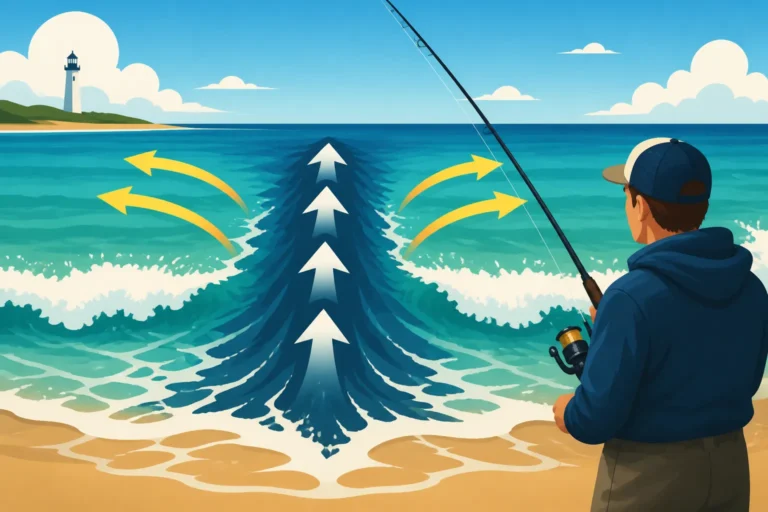
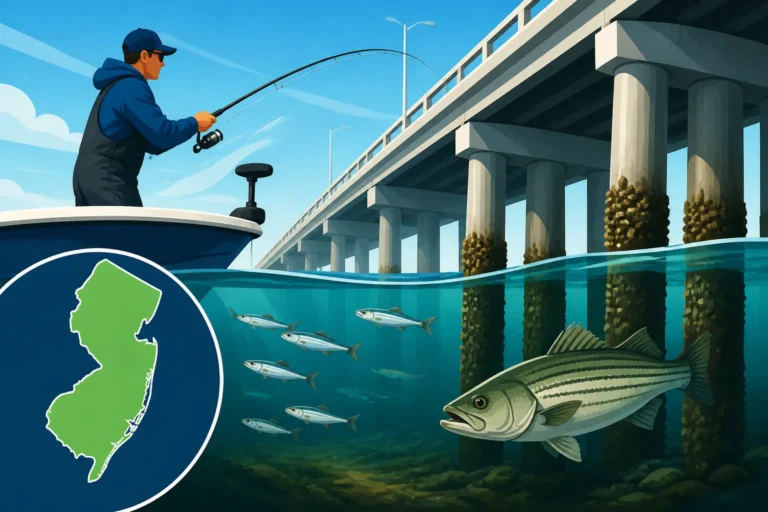
The spring run typically begins in April, sometimes even late March, as striped bass move north along the coast, often pushing into the bays and rivers to feed. This is when anglers target them from the beaches, jetties, and boats, especially in areas like Raritan Bay and Sandy Hook. The fishing can be phenomenal, with fish of all sizes present. The fall run, usually starting in September and lasting well into December, is perhaps even more legendary. As baitfish like mullet and bunker head south, striped bass follow closely, creating spectacular feeding frenzies along the beaches and in the surf. This is often the time for larger "trophy" fish, though their numbers and movements are highly dependent on bait availability and water temperature. The New Jersey Striped Bass Slot Limit Explained is a critical regulation to understand, as it helps manage this important fishery by allowing anglers to keep fish within a specific size range, while protecting both juvenile and large spawning females. If you're wondering When Do Striped Bass Migrate Through New Jersey?, remember it's a dynamic process tied closely to water temperature and bait.
Fluke (Summer Flounder): The Summer Staple
Fluke, officially known as summer flounder, are the undisputed kings of summer fishing in New Jersey. These flatfish arrive in our waters in late spring, usually around May, and provide fantastic fishing opportunities throughout the summer months into early fall. They are prevalent in bays, estuaries, and along the nearshore ocean, often preferring sandy or muddy bottoms where they can ambush baitfish.
The New Jersey Fluke Season Dates for 2026 and New Jersey Fluke Size Limit: 18 Inches are among the most hotly discussed regulations each year, as they directly impact how anglers can enjoy this popular species. You'll find anglers drifting bait, bucktailing, or jigging for fluke from boats, kayaks, and even some piers. The season typically runs through September, offering months of consistent action. It's important to note that while "fluke" and "summer flounder" refer to the same species, the specific rules, like the difference between Delaware Bay Fluke Rules vs the Rest of New Jersey, can sometimes vary. Many tackle shops, like those you might find supplies for on Amazon, will have special fluke rigs ready to go.
Other Ocean Migrants: Blues, Sea Bass, Tautog, and Tuna
Beyond stripers and fluke, a host of other saltwater species move through New Jersey waters seasonally. Bluefish are aggressive predators that often show up in spring, sometimes even before the main striped bass run, and stick around through fall. They are known for their fierce bites and hard fights, providing thrilling action, especially during a "bluefish blitz" when they are actively feeding on schools of bait. The New Jersey Bluefish Season Peak Timing often coincides with warmer water.
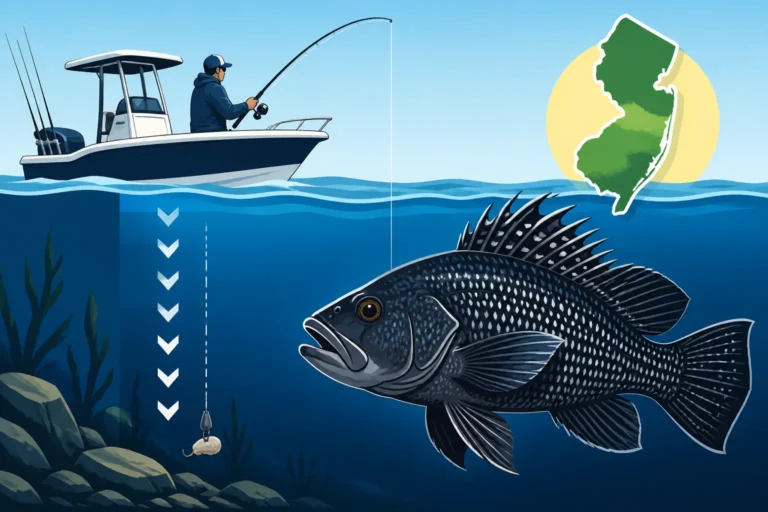
Black sea bass offer excellent fishing opportunities, particularly around wrecks, reefs, and other underwater structures. Their seasons and limits are often complex, with multiple open periods throughout the year, like the specific New Jersey Black Sea Bass Season Dates, and can sometimes be managed by federal quotas. Tautog, or "blackfish," are another structure-loving species, known for their powerful fights and delicious meat. They are typically targeted in cooler waters of spring and fall, often around rocky areas, jetties, and wrecks. For the more adventurous offshore angler, tuna species like bluefin, yellowfin, and mahi-mahi move into warmer offshore waters during the summer and early fall, providing exciting deep-sea opportunities, though these trips require specialized boats and gear.
Specific Species Seasons: What's Hot When
To help visualize the broad strokes of New Jersey's fishing calendar, here's a general overview of when some popular species are most active and typically in season. Remember, "in season" means you can legally target and potentially harvest them, but specific regulations on size and bag limits always apply.
| Species | General Peak Season | Typical Habitat | Key Regulations to Check |
|---|---|---|---|
| Freshwater | |||
| Trout (Stocked) | April – June (Spring), Oct-Nov (Fall) | Streams, Ponds, Lakes | Opening Day, Preseason Closure, Trout Stamp |
| Largemouth Bass | May – Oct | Lakes, Ponds, Rivers | Size/Bag Limits, often Year-Round |
| Smallmouth Bass | May – Oct | Rivers (Delaware), Lakes | Size/Bag Limits, often Year-Round |
| Panfish (Perch, Crappie) | April – Nov (Ice: Dec-Feb) | Lakes, Ponds, Rivers | Minimal Regulations, often Year-Round |
| Catfish | May – Oct | Lakes, Ponds, Rivers | Minimal Regulations, often Year-Round |
| Pike/Muskie | May – March (Specific closures) | Large Lakes | Specific Seasons, Length Limits |
| Saltwater | |||
| Striped Bass | April – June (Spring Run), Sept – Dec (Fall Run) | Bays, Rivers, Surf, Ocean | Slot Limit, Circle Hook Requirements |
| Fluke (Summer Flounder) | May – Sept | Bays, Nearshore Ocean | Season Dates, Size Limit, Bag Limit |
| Bluefish | May – Nov | Bays, Surf, Ocean | Size/Bag Limits, often Year-Round |
| Black Sea Bass | Multiple short seasons (May/June, July/Aug, Oct-Dec) | Wrecks, Reefs, Structure | Season Dates, Size Limit, Bag Limit |
| Tautog (Blackfish) | March-April (Spring), Oct-Dec (Fall) | Rocky Structure, Jetties | Season Dates, Size Limit, Bag Limit |
| Weakfish | May – Sept | Bays, Rivers, Nearshore | Bag Limit, Conservation Focus |
| Blue Claw Crab | May – Nov | Bays, Estuaries | Size Limit, Female Crab Rules |
Note: This table provides general guidance. Always refer to the most current New Jersey Fish and Wildlife Digest for precise dates and regulations.
Trout Fishing: The Spring Rush and Fall Calm
As mentioned, spring trout season is a huge event, often drawing crowds. The sheer number of stocked fish makes it an exciting time, and bait fishing with worms, powerbait, or corn is highly effective. Later in the spring, as water temperatures rise, fly fishing becomes more prominent, especially on streams where insect hatches occur. Come fall, the stocking program offers a different experience. The weather is cooler, the crowds are thinner, and the fish, having been in the water longer, can be a bit warier but also larger. New Jersey Trout Season: Spring vs Fall truly highlights these different experiences. For those looking to delve deeper, a good resource for specialized gear, even something as simple as a reliable wading staff, can be found on Amazon.
Striped Bass: The Thrill of the Chase
The spring and fall runs for striped bass are when the Jersey Shore truly comes alive. In spring, anglers often focus on river mouths and bay areas, using bloodworms, clams, and various artificial lures. The fall run is a spectacle, with anglers literally following the bait schools along the beaches. Large poppers, swim shads, and metal lures are popular choices for surfcasters. Boat anglers often troll Mojos or bunker spoons, or cast live bunker into schools. Catch-and-release is a common practice, especially for larger fish outside the slot limit, and knowing New Jersey Catch and Release Striped Bass Handling Rules ensures the fish's survival. Remember, the New Jersey Striped Bass Slot Limit: 28 to 38 Inches is a very specific window you must adhere to if you plan to keep a fish.
Fluke: The Art of the Drift
Fluke fishing is quintessential New Jersey summer. Most anglers employ a drifting technique, whether from a boat, kayak, or even a pier with strong currents. Fresh bait, like strips of squid or spearing, combined with a bucktail jig or a traditional two-hook rig, is highly effective. Gulp! artificial baits have also revolutionized fluke fishing, offering a scent and action that fish can't resist. Learning How to Drift Fish for Fluke effectively means understanding how currents, wind, and depth affect your presentation. The size limit, typically 18 inches, means a lot of measuring and releasing, so a good legal-sized measuring device is a must-have, readily available from online retailers like Amazon.
Seasonal Considerations: Beyond Just Dates
While understanding the calendar dates for fishing seasons is fundamental, there's a lot more to successful angling in New Jersey than just knowing when a species is "open." Environmental factors, migratory patterns, and even social considerations play a huge role in planning your trips.
Environmental Factors: Water Temperature and Weather
Fish are cold-blooded creatures, and their activity levels are directly tied to water temperature. Each species has a preferred temperature range where it's most active, feeding, and spawning. For example, trout thrive in colder waters, while fluke prefer warmer summer temps. Early spring can see fish still sluggish from winter, while extreme summer heat can send them to deeper, cooler spots. Strong winds, heavy rains, or prolonged droughts can also dramatically affect water conditions, clarity, and fish behavior. For instance, How to Fish Muddy Water After Heavy Rain requires different tactics than fishing in crystal-clear conditions. Paying attention to weather forecasts and water temperature readings (which many local tackle shops provide) can be as important as checking the season dates themselves.
Migratory Patterns and Spawning Periods
Many of New Jersey's most popular species, both freshwater and saltwater, undertake annual migrations or have specific spawning periods that influence when and where you can find them. Saltwater fish, as discussed, follow baitfish and water temperatures along the coast. Understanding these Seasonal Fish Migration Patterns Along the New Jersey Coast can give you a significant edge, helping you predict when fish will arrive at your favorite spots. Freshwater fish also have distinct spawning rituals. Bass, for instance, move into shallow areas in spring to spawn, making them more vulnerable but also necessitating careful handling if caught. Trout often have specific spawning times in wild streams, which is why there might be special regulations or closures to protect them. Respecting these natural cycles is not just about following the rules; it's about being a responsible steward of our fisheries.
Social and Practical Considerations
Beyond regulations, practical elements influence your fishing calendar. Peak seasons often mean peak crowds, especially on popular trout streams on opening day or at prime surf fishing spots during the fall striper run. If you prefer solitude, targeting less popular species, fishing during off-peak hours (early mornings, evenings), or exploring lesser-known locations might be a better strategy. Accessibility can also be seasonal; some remote areas might be impassable in winter, or certain boat ramps might close. If you're planning a trip with a New Jersey Charter Fishing Guide, they'll be well-versed in the best times to target specific species, and often include the necessary licenses or registrations, but it’s still wise to familiarize yourself with the season dates. Don't forget that even the act of New Jersey Fishing License Renewal Rules can take a few minutes, so plan ahead before hitting the water.
The Importance of the New Jersey Fish and Wildlife Digest
When it comes to New Jersey fishing regulations, the official New Jersey Fish and Wildlife Digest is your bible. This comprehensive publication, released annually, contains all the rules and regulations for both freshwater and saltwater fishing, hunting, and trapping in the state. Relying on outdated information or hearsay is a surefire way to run into trouble.
Where to Find the Current Digest
The good news is that the Digest is readily accessible. You can pick up a physical copy for free at most bait and tackle shops, Walmart sporting goods departments, and other license vendors across the state. In this digital age, it's also available online as a PDF on the official NJDEP Division of Fish and Wildlife website. Having the digital version on your phone is incredibly convenient, allowing you to quickly check a regulation while you're out on the water. Many anglers keep a copy in their tackle box or boat bag, right next to their favorite reel oil bought from Amazon, ensuring they’re always prepared. Understanding how to navigate and interpret the tables and summaries in the Digest is a crucial skill for any angler in New Jersey, especially given the dynamic nature of fisheries management. This resource is key to Reading the New Jersey Fish and Wildlife Digest effectively.
Key Information Found in the Digest
The Digest isn't just a list of dates; it's a treasure trove of vital information:
- Season Dates: Clear start and end dates for all regulated species.
- Bag Limits: The maximum number of fish you can legally keep per day.
- Size Limits: The minimum (and sometimes maximum, like with striped bass slot limits) length a fish must be to be legally harvested.
- Gear Restrictions: Information on allowed baits, tackle, number of rods, and specific methods (e.g., circle hook requirements for certain species).
- Special Regulations: Specific rules for certain bodies of water (like trout conservation areas, artificial reefs, or reciprocal waters with neighboring states).
- License Information: Details on who needs a license, where to buy one, and any special permits or stamps (like the New Jersey Trout Stamp Requirements Explained).
- Contact Information: Important phone numbers for reporting violations or contacting the Division of Fish and Wildlife.
Always remember that all anglers are responsible for knowing and adhering to these rules. Ignorance of the law is not an excuse, and game wardens are active across the state. A quick check of the Digest can save you from a costly penalty, as What Happens If You Get Caught Fishing Without a License in New Jersey? can be a real headache.
Planning Your Fishing Calendar in New Jersey
With all this information about seasons, regulations, and environmental factors, how do you actually go about planning your fishing trips throughout the year in New Jersey? It's about combining knowledge with a bit of flexibility.
Leveraging Seasonal Peaks for Different Species
The best way to enjoy New Jersey fishing is to embrace its seasonality. Instead of trying to catch striped bass year-round, understand that spring and fall are your prime times. In summer, pivot to fluke, bluefish, or offshore species. In winter, consider ice fishing for panfish or targeting tautog around wrecks. For freshwater, spring means trout, summer means bass and panfish, and fall offers another shot at trout or active bass. Think of it as a revolving door of opportunities. Many experienced anglers keep a fishing journal to track their catches, what worked, and when—it's like building your own personal Digest over time.
Staying Updated on Regulation Changes
This is perhaps the most crucial ongoing task for any New Jersey angler. As we've discussed, regulations are dynamic. Here's how to stay in the loop:
- Official Website: Regularly check the NJDEP Division of Fish and Wildlife website. They post emergency closures, regulation changes, and stocking schedules as they happen.
- Social Media: Follow the official NJ Fish and Wildlife social media accounts. They often share timely updates.
- Local Tackle Shops: These are goldmines of current information. Shop owners and staff are usually the first to know about changes, local bite patterns, and hot spots. They often post updates in their stores.
- Fishing Forums and Groups: Online communities can be great for sharing information, but always cross-reference anything you hear with official sources.
Being proactive about these updates ensures you're always fishing legally and effectively. Even if you've been fishing for decades, New Jersey Fishing Regulation Changes for 2026 can still catch you off guard if you're not paying attention.
Creating a Personalized Fishing Schedule
To make the most of New Jersey's diverse fishing opportunities, consider creating your own personalized fishing calendar. Jot down the species you want to target, their typical peak seasons, and any major events like opening day for trout.
Example Monthly Outlook:
- March: Early signs of striped bass in tidal rivers, some pre-season trout scouting.
- April: Trout Opening Day! Early spring striped bass run, pre-spawn bass in lakes.
- May: Prime striped bass action, fluke season starts, bass spawning, spring bluefish arrival.
- June: Excellent fluke fishing, strong bluefish action, good bass fishing before summer heat.
- July: Fluke, bluefish, offshore tuna and mahi, active panfish, bass in deeper water.
- August: Similar to July, often the warmest water temperatures.
- September: Fall striped bass run begins, fluke still strong, black sea bass seasons.
- October: Peak fall striped bass, fall trout stocking, tautog season opens, bass active.
- November: Late fall stripers, tautog, some lingering bluefish.
- December: Winter wreck fishing (tautog, sea bass), late striped bass for dedicated anglers.
- January/February: Ice fishing (where safe), some hardy winter wreck fishing.
This isn't exhaustive, of course, but it gives you a framework. By being mindful of these seasons and staying informed, you'll be well on your way to a successful and enjoyable year of fishing in New Jersey.
Navigating Emergency Closures and Regulation Changes
It's a frustrating reality for anglers, but sometimes, regulations can change mid-season, or an emergency closure might be implemented. This isn't done to inconvenience you; rather, it's a critical tool for fisheries managers to respond quickly to unforeseen circumstances, like sudden stock declines, environmental issues, or new scientific data.
How Emergency Changes Occur
Emergency closures and regulation changes often happen when there's an immediate threat to a fish population. For instance, if data shows a particular species is being overfished at a rate faster than projected, or if a critical spawning event is threatened, managers might step in to protect the stock. For federally managed species, these decisions are often made by the regional councils (like MAFMC) and then implemented by state agencies. For state-managed species, the NJDEP Division of Fish and Wildlife has the authority to make these adjustments. These changes are usually announced through official channels, including press releases and updates on the Division's website. It's important to understand that New Jersey Can Change Bag Limits Mid-Season, and it's our responsibility as anglers to adapt.
Staying Informed During Rapid Changes
This is where your proactive approach to staying updated really pays off. During times when regulations are volatile or subject to frequent review (which often happens with highly managed species like striped bass or fluke), make it a point to check the official NJDEP Fish and Wildlife website and their social media channels weekly, or even daily if you have a trip planned. Subscribing to any official email newsletters or alerts that the Division offers can also be invaluable. Your local bait and tackle shop owners, who rely on accurate information for their businesses, are typically excellent sources of up-to-the-minute news. They'll often have print-outs or signs detailing the latest changes. Don't rely solely on word-of-mouth or outdated information from a few months prior.
Common Scenarios for Mid-Season Adjustments
You might wonder, what kind of situations lead to these disruptive, albeit necessary, changes?
- Quota Overruns: For species managed by annual harvest quotas, if the recreational catch quickly approaches or exceeds the allotted limit, seasons might be shortened or closed prematurely to prevent overfishing. This is common with species like black sea bass.
- New Scientific Data: If new surveys or research reveal a more dire (or sometimes, better) situation for a fish stock than previously thought, regulations might be adjusted to reflect the latest science.
- Interstate or Federal Mandates: For migratory species, New Jersey might be mandated by federal or interstate fishery management bodies to implement specific changes, even if it's not ideal for local anglers. This happened when Why New Jersey's Saltwater Registry Replaced the Federal Registry to better track local angler participation.
- Environmental Events: While less common for direct season changes, major environmental disasters could potentially lead to localized closures or advisories.
Ultimately, these changes are a testament to the dynamic nature of marine and freshwater ecosystems and the ongoing effort to balance angler opportunity with conservation needs. While they can be frustrating, they are essential for ensuring that our grandchildren can also experience the joy of fishing in New Jersey.
Disclaimer
Please remember that fishing regulations, including season dates, bag limits, and size limits, are subject to change by the New Jersey Department of Environmental Protection (NJDEP) Division of Fish and Wildlife. While this guide provides comprehensive information, it is your responsibility as an angler to consult the most current New Jersey Fish and Wildlife Digest before each fishing trip. Relying on outdated information can lead to fines and penalties.